Most people walk past this plant every day without a second look, yet experienced home gardeners know the leaves are the part worth working with. The thick, scalloped leaves of the Leaf of Life plant, often sold as Kalanchoe pinnata or Bryophyllum pinnatum, are the basis of simple home preparations. Below you will find a basic leaf infusion, a light poultice method, what to avoid, and how to keep the plant useful over time.
What It Is
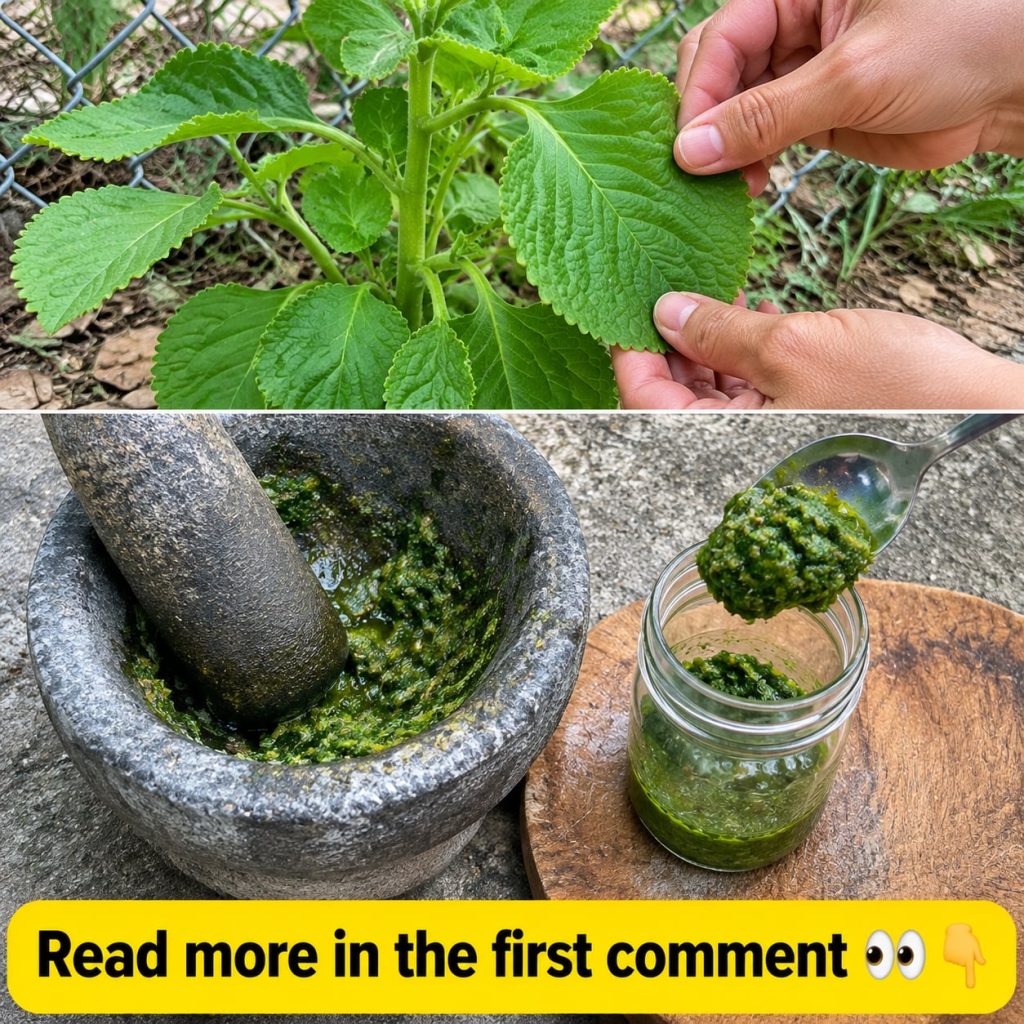
Leaf of Life is a succulent perennial with fleshy, scalloped leaves and tiny plantlets that form along the leaf margins. It grows easily in warm climates and is often kept in pots on windowsills in cooler regions. Traditional home use focuses on fresh leaves rather than dried material, which is why it fits best in the backyard rather than the pantry.
Ingredients and Approximate Measurements
- 2 to 3 fresh, mature leaves (about 10 to 15 grams)
- 1 cup (240 ml) filtered water for an infusion
- Optional: 1 teaspoon raw honey, added after the infusion cools
- Clean cotton cloth or gauze for a poultice
Formula and Step-by-Step Method
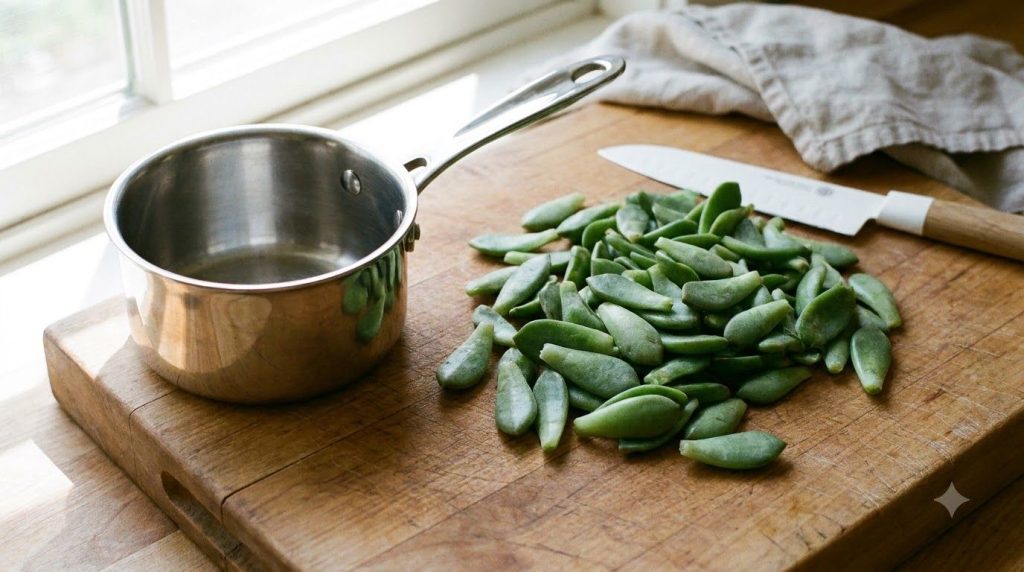
- Choose healthy leaves from the middle or lower part of the plant. Skip yellowed, soft, or pest-damaged leaves.
- Rinse the leaves gently under cool water and pat them dry.
- Chop the leaves into small pieces to release more of their juices.
- For an infusion, bring the water to a gentle simmer, add the chopped leaves, and keep the heat low for 5 minutes.
- Remove the pot from the heat, cover it, and steep for 10 minutes.
- Strain, let it cool until warm, and sweeten lightly if desired.
- For a poultice, crush one fresh leaf until it becomes pulpy, warm it slightly, and spread it on a clean cloth.
Here is the part most people skip: the leaves are most useful when they are fresh and freshly cut. Wilted or stored leaves lose much of their texture and are harder to work with.
How to Use It
For the infusion, sip a small amount of the warm liquid once or twice a day, following the timing you are comfortable with. For the poultice, apply a thin layer of the warm pulp to clean, unbroken skin for about 10 to 15 minutes, then rinse gently and pat dry.
How Often to Use It
Keep preparations occasional rather than daily. Make small batches and use them within the same day. If you notice redness, itching, or irritation, stop using the preparation and rinse the area with plain water.
Fresh vs Infusion vs Poultice
| Preparation | Best For | Shelf Life |
|---|---|---|
| Fresh leaf | Quick preparation at home | Use the same day |
| Infusion | Warm drink in small amounts | Refrigerate, use within 24 hours |
| Poultice | Short external use on intact skin | Make fresh each time |
How to Choose Healthy Plants
If you are not growing your own, look for firm, evenly green leaves with no black spots, mushy stems, or visible insects. Plants from a reputable nursery are safer than plants picked from roadsides or areas sprayed with chemicals.
Storage
Fresh leaves keep for only a few days in the refrigerator, wrapped loosely in a dry paper towel inside a breathable container. Infusions should never be left in a closed jar at room temperature. Store them in a clean glass bottle in the fridge and discard after one day.
Practical Tips
- Harvest from mature plants and leave young growth to keep the plant healthy.
- Use a clean knife and cutting board to avoid contamination.
- Label every batch with the date you made it.
Common Mistakes
- Boiling the leaves hard, which can change the texture and taste.
- Using damaged, sprayed, or roadside leaves.
- Storing infusions in warm or wet containers.
- Applying a poultice to cuts, burns, or broken skin.
- Using the same preparation every day without a break.
Cautions and Who Should Avoid It
Leaf of Life is traditionally used in home settings, but it is not a proven treatment for any condition. Do not use it if you are pregnant, breastfeeding, managing a chronic health condition, or taking medication, unless a qualified healthcare professional has approved it. Keep the plant away from pets and children, because it can be harmful if swallowed. Always patch test a small area of skin first.
Quick Summary
The best preparation is a fresh leaf infusion or a simple external poultice made the same day. Use it occasionally, keep it refrigerated if you make an infusion, and avoid damaged leaves. Stop immediately if irritation appears, and avoid the plant if you are pregnant or under medical care.
Frequently Asked Questions
Can I use fresh or dried leaves?
Fresh leaves are the traditional choice for home preparations. Dried material changes in texture and strength, so it is harder to control the outcome.
How long does the infusion last?
Refrigerate it in a sealed glass bottle and use it within 24 hours. Discard anything left after that.
Can I freeze the leaves?
Freezing is not recommended for home use, since the texture changes and the leaves become mushy when thawed.
How often should I use it?
Occasional use is the safest approach. Avoid daily use and take breaks between batches.
What part of the plant is best?
Mature, healthy leaves from the middle or lower sections are the usual choice. Avoid very young or wilted leaves.
Can I reuse the leaves?
No. Once steeped or crushed, leaves should be discarded and replaced with fresh ones for each batch.
When should I avoid it?
Avoid it during pregnancy, while breastfeeding, around young children and pets, on broken skin, and if you have a known sensitivity to succulent plants.
Read More
You may also like: Backyard Herb Garden Basics. Continue with: How to Store Fresh Garden Leaves Safely. Related remedy: Simple Homemade Skin Soothing Preparations.
Final Thoughts
The Leaf of Life plant is a practical backyard option for people who enjoy hands-on home preparations. Keep your methods simple, use fresh and healthy leaves, and treat every preparation with caution. When in doubt, speak with a healthcare professional before use.