Planning a Side Porch Addition: Shade Gardens, Rainwater Flow, and Layouts That Work
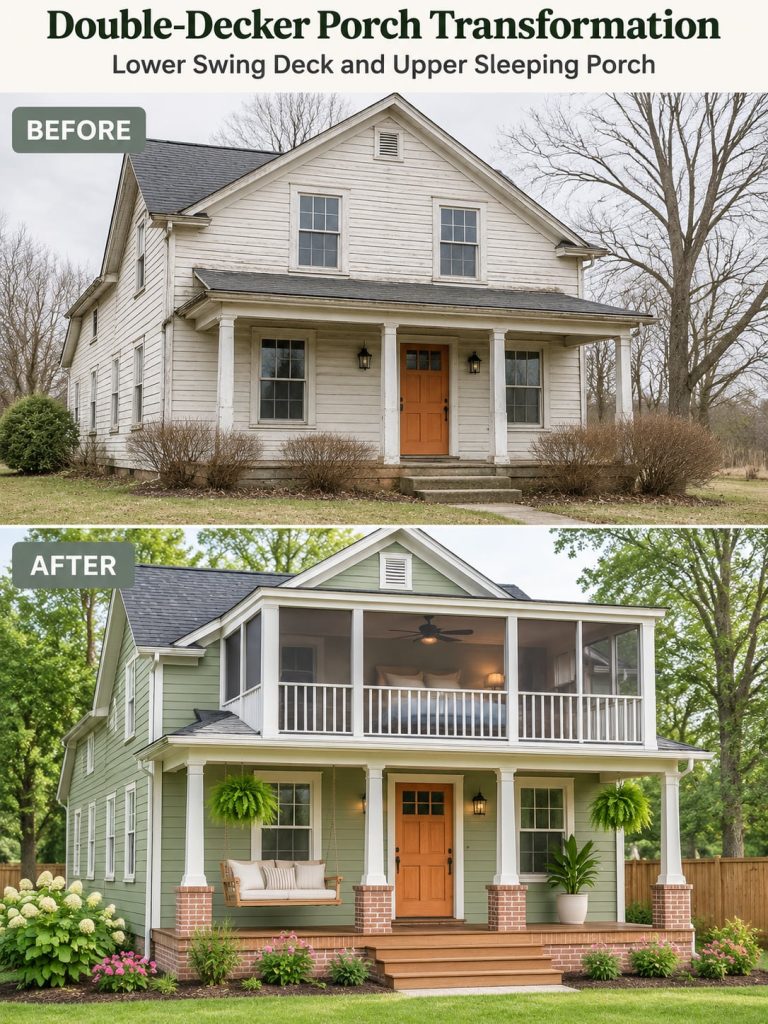
Turning a narrow strip of yard into a two-level porch is one of the most satisfying home improvement projects a gardener can take on. You gain a shaded place to read or swing in the evening, a quiet upstairs spot for sleeping outdoors on warm nights, and a fresh view of the yard. The catch is that a new structure changes how water moves, how light reaches the ground, and how much room your plants have to grow. A little planning before the first post goes in saves years of frustration with soggy soil, scorched shrubs, and muddy paths.
This guide walks you through the key decisions: managing rainwater around the foundation, protecting the open backyard path, choosing plants that tolerate the shade a porch creates, and designing sightlines so the space feels comfortable and connected to the garden.
Start With the Core Principle: Work With Water and Light
Every porch casts a shadow and collects or redirects rain. The roof acts like a giant funnel, so the strip of ground under and beside the eaves receives concentrated water in a narrow band. At the same time, the porch blocks direct sun from parts of the yard that used to get full light. Good design treats these two effects as the foundation of the whole project rather than an afterthought.
Before you plant anything, observe the site for a full day, and ideally for a few days after a good rain. Note where water pools, where it runs off in sheets, and which spots get sun for more than four hours. These observations will guide almost every decision that follows.
Manage Rainwater From the Roof Line
Roof runoff is the most common cause of trouble beside new porches. Water that drips from the eaves can erode bare soil, splash mulch onto siding, and keep the foundation damp for long periods.
- Install gutters and downspouts that direct water at least 4 to 6 feet away from the foundation, or into a rain barrel or buried drain line.
- Lay a 12- to 18-inch band of gravel or river rock under the drip line to slow splash and absorb some of the impact.
- Grade the soil so it slopes away from the house at about 1 inch of drop per foot for the first several feet.
- Consider a shallow rain garden in a low spot along the backyard path, filled with deep-rooted perennials that tolerate periodic wet soil.
A rain barrel is a practical addition for a small yard. A typical 50- to 60-gallon barrel can capture a large amount of runoff from a modest roof section after a single storm, and that water is excellent for container plants and thirsty shrubs during dry spells. Check local rules, since some areas regulate rainwater collection.
Protect the Backyard Path
An open path is valuable because it keeps wheelbarrows, mowers, and visitors moving freely. Keep the path at least 4 feet wide if you plan to use a wheelbarrow, and make sure it is not the lowest point where runoff collects. A gravel or compacted stone path with a slight crown in the center will shed water better than a soft grass path that turns to mud.
Also consider how low branches and overhanging plants will grow over time. Maintain at least 7 feet of vertical clearance over walkways so that people and equipment pass without snagging.
Choose Plants for the Shade a Porch Creates
The area under and immediately beside a porch is often shaded for much of the day, but it is rarely dark. Sun intensity and duration vary with the direction the porch faces. Here is a practical way to sort the planting zones.
Deep Shade Under the Porch Roof
Ground directly under a covered porch may receive little direct sun and very little rain. Hostas and ferns perform well in these conditions, though they need consistent moisture. Plant them where a rain gutter or downspout can provide supplemental water, and mulch with shredded leaf mold or bark to hold moisture without creating a soggy crust. Hosta sizes range from small edging varieties under 12 inches tall to large specimens over 3 feet, so check the mature width before spacing them. Most hostas do well in USDA zones 3 through 9, though heat in zones 8 and 9 can scorch leaves in full afternoon sun.
Partial Shade Along the Side Wall
The area a few feet out from the porch often gets morning sun and afternoon shade. This is a sweet spot for astilbe, bleeding heart, and hellebores. Astilbe, which is hardy in roughly USDA zones 3 through 8, appreciates evenly moist soil and will sulk if it dries out during summer. Hellebores, usually hardy in zones 4 through 9, bloom early in the year and provide texture through winter. Plant them at the same depth they grew in their nursery pot, because burying the crown can cause rot.
Vertical Interest Near the Railings
Climbing plants can soften the lines of a new porch and add privacy between the lower and upper levels. Clematis is a reliable choice in many regions, usually hardy in zones 4 through 9, and it prefers its roots shaded while its top grows toward the sun. Plant it a few inches deep and mulch the base. Be cautious with aggressive climbers such as wisteria, which can pry at gutters, railings, and siding with heavy, twisting stems. Install sturdy supports, and prune wisteria twice a year to keep it under control. Carolina jessamine is attractive but toxic if eaten, so keep it away from children and pets.
Design Sightlines for Comfort and Privacy
The upper sleeping porch and lower swing area will have different views. From the swing, you may want a clear look at the backyard garden. From the upper porch, you may prefer to see tree canopies and rooftops rather than a flat view of the path below. Stand in each spot and note what you see. Place taller plants, like ornamental grasses or shrubs, where they block neighbors’ windows without cutting off the main view. Keep plants that will grow over time, such as hydrangea or viburnum, at least 3 to 5 feet from the porch rail to allow airflow and access for painting and cleaning.
Common Mistakes to Avoid
- Planting thirsty shrubs directly under the drip line, where they receive water in bursts and dry soil in between.
- Burying hosta or hellebore crowns when mulching, which invites rot.
- Letting mulch pile against the siding or porch posts, which holds moisture and can attract pests.
- Choosing vines without considering their weight, growth rate, or ability to climb wood and vinyl.
- Skipping a seasonal check of gutters after leaf drop, since blocked gutters overflow onto the very plants you are trying to protect.
Plan Around Your Climate
In cooler regions, roughly USDA zones 3 through 5, focus on hardy perennials and plan for heavy snow load on the upper porch. Snow sliding off a roof can crush early spring growth, so leave a buffer zone of mulch or gravel. In zones 6 through 8, humid summers encourage fungal leaf spots on hostas and phlox, so give plants good airflow and water in the morning. In zones 9 through 11, afternoon heat can scorch shade plants, so choose heat-tolerant ferns and consider shade cloth on the west side. USDA zones describe winter cold tolerance, not summer heat, rainfall, or the microclimate created by a porch. Your local cooperative extension office can provide regional guidance on rainfall, soil, and recommended plants.
Take the First Steps This Season
Begin with the water. Install or adjust gutters, lay a gravel band under the drip line, and confirm that the ground slopes away from the foundation. Next, sketch the shade zones at different times of day, and plant a few reliable perennials in the most protected spots. Finally, step onto the swing and up to the sleeping porch, and check your views. Small adjustments made now will make your new porch feel like it belongs in the garden. If you have a layout similar to this one, share your plans in the comments, and we can talk through the specific plants and drainage fixes that will work best for your site.