Many home gardeners look for simple, low-cost ways to support their vegetables, and the kitchen often holds more useful materials than we expect. A popular short video highlights a homemade rice water fertilizer for healthy vegetables, and the idea has sparked plenty of curiosity. In this guide, we explain what rice water is, how to prepare it safely, how to use it in your garden, and what limits to keep in mind.

What Is Rice Water Fertilizer?
Rice water is the cloudy liquid left after rice has been soaked or rinsed in clean water. It holds small amounts of starch and some dissolved minerals from the grains. Many gardeners reuse it as a diluted watering option for houseplants and vegetables. It is best viewed as a gentle, occasional supplement rather than a complete fertilizer, because it does not replace a balanced soil plan.
How to Prepare Rice Water Safely
- Choose plain white or brown rice without salt, oil, or seasonings.
- Soak about one cup of rice in two cups of fresh water for 20 to 30 minutes, stirring gently.
- Strain the liquid into a clean container and let it cool to room temperature.
- Dilute the rice water with an equal amount of fresh water before using it on plants.
- Use it within one day, or refrigerate it for up to two days to prevent a sour smell.
How to Use It in Your Garden
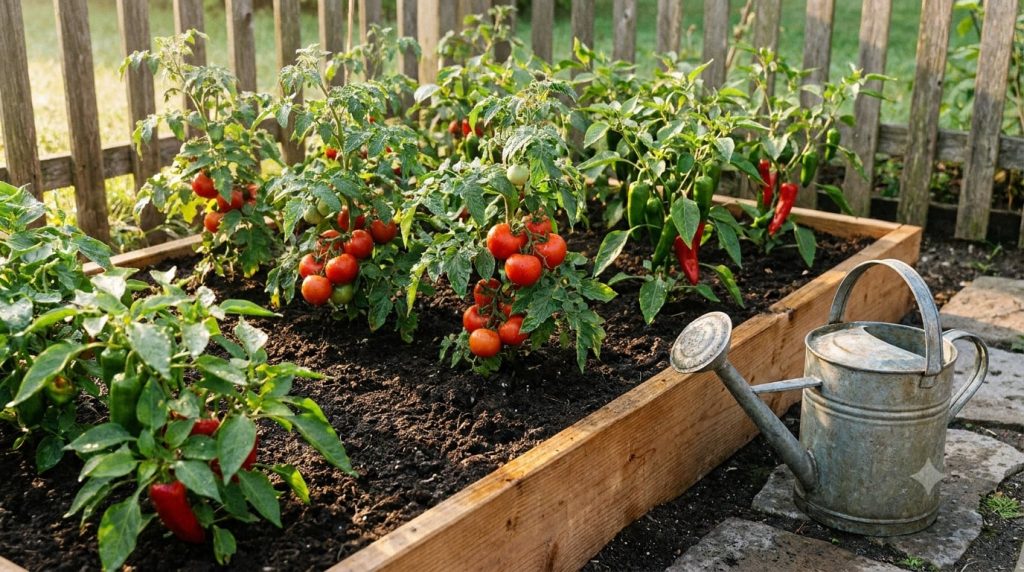
Pour the diluted liquid onto the soil around the base of the plant rather than over the leaves. Water your vegetables every two to three weeks during active growth, and keep up your regular watering routine. Start with one plant and observe it for a week or two before applying the mixture to your whole bed. Every garden is different, so results will vary depending on soil type, sunlight, and climate.
Other Kitchen Water Ideas to Explore
Several kitchen byproducts are often discussed among home gardeners. Plain water used to steam or boil unsalted vegetables can be cooled and used lightly on houseplants. Crushed eggshells can be added to compost, where they break down slowly over time and contribute small amounts of calcium. As with rice water, these are gentle additions rather than quick fixes.
Tips for Better Results
- Avoid using salty, oily, or heavily seasoned water on any plant.
- Do not apply homemade mixtures too often, since excess organic material can encourage odors and mold.
- Keep a simple garden journal to track what you tried and how your plants responded.
- Pair kitchen-based feeding with healthy soil, good drainage, and proper sunlight.
- Check local gardening guidance for pest and disease advice rather than relying on any single homemade remedy.
Final Thoughts
Kitchen-based garden ideas can be a friendly way to learn about plant care and reduce waste at home. Rice water can be a thoughtful addition to a regular routine when used carefully and in moderation. Have you tried a kitchen water method in your garden? Share your experience in the comments so other gardeners can learn from it.