Most people pull this plant out of the lawn without a second thought, but many herbalists keep a jar of it in the cupboard. Ground ivy, also called creeping Charlie, is one of the most common low-growing weeds in gardens, and it has a long record of use as a simple tea. The trick is knowing which parts to pick, how to dry them, and how to brew them without a bitter, muddy cup.
What It Is
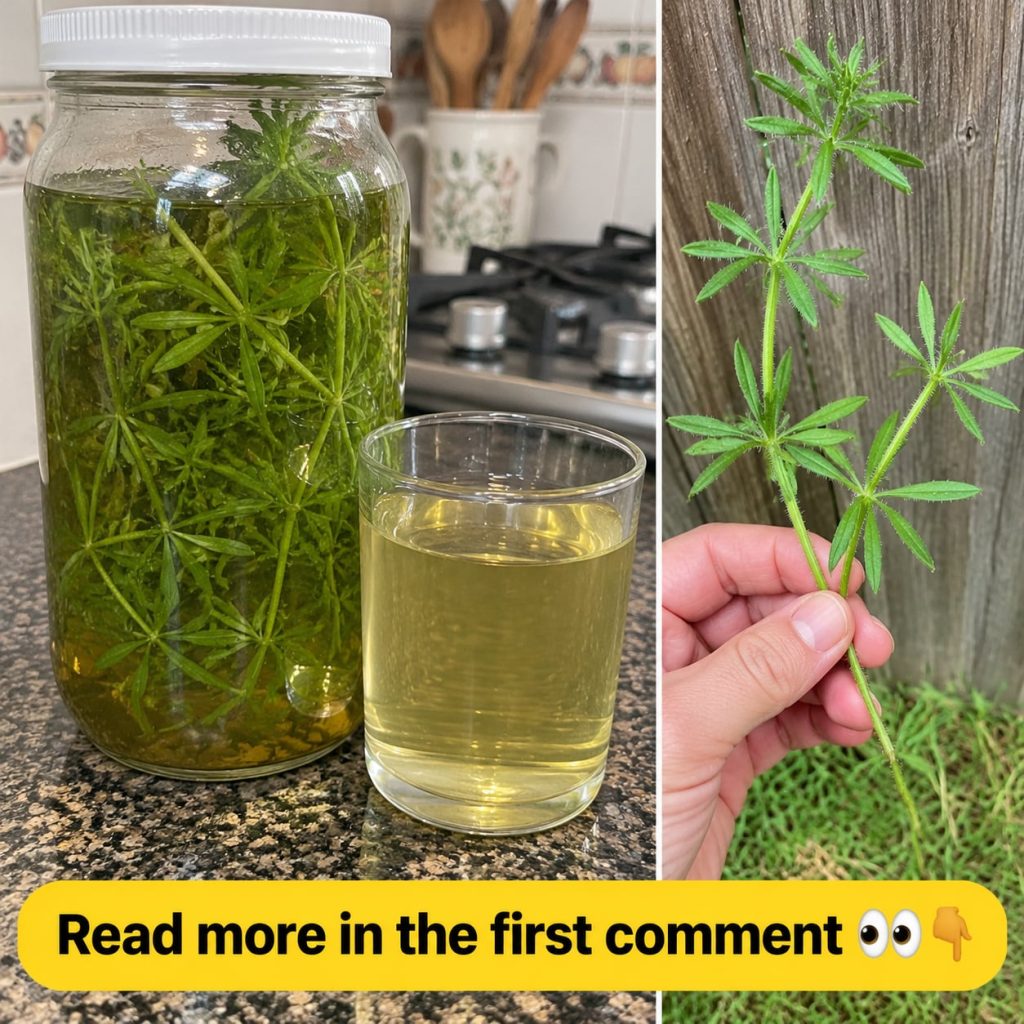
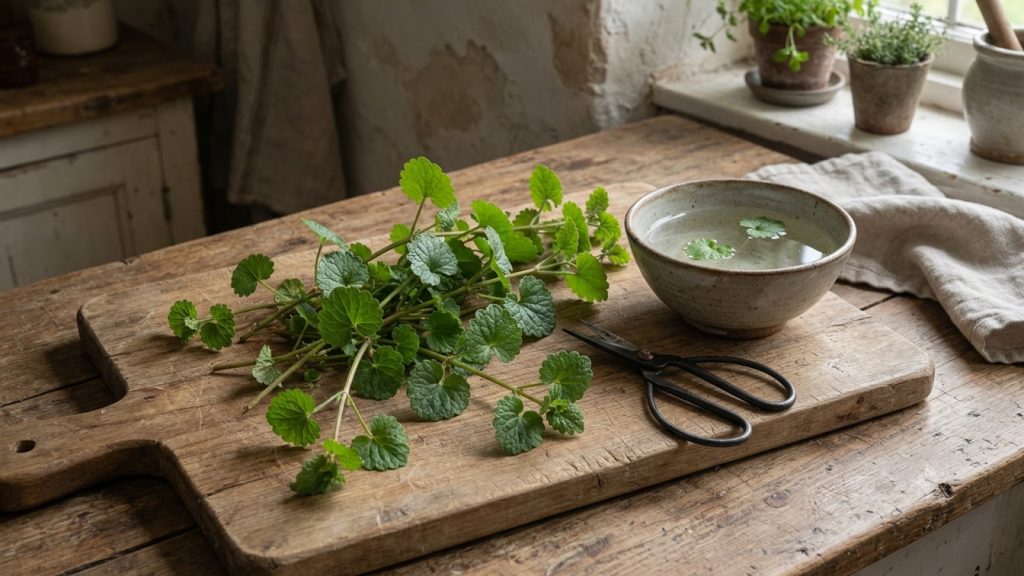
Ground ivy (Glechoma hederacea) is a creeping member of the mint family. It has round, scalloped leaves, square stems that root at the joints, and small purple-blue flowers in spring. It spreads quickly, which is why gardeners find it frustrating, but the leafy stems and flowering tops are the parts used for tea.
Ingredients and Approximate Measurements
- 1 to 2 teaspoons dried ground ivy leaves and flowering tops per cup of water
- 1 cup freshly boiled water, cooled slightly
- Optional: 1 teaspoon raw honey or a thin slice of lemon
Formula and Method
- Harvest the top 5 to 8 centimeters of healthy, unsprayed plants in late spring or early summer.
- Rinse gently, shake off the water, and spread the stems on a clean screen or paper towel out of direct sun.
- Dry for 5 to 10 days until the leaves crumble easily.
- Place 1 to 2 teaspoons of the dried herb in a cup or infuser.
- Pour hot water at about 90 to 95 degrees Celsius over the herb, cover, and steep for 5 to 8 minutes.
- Strain and drink warm or cool.
Quick Tip: Harvest before the plant is in full bloom if you prefer a milder, less aromatic cup.
How to Use It
Drink one cup per day as a simple herbal tea, either with a meal or after dinner. Most people treat it as part of a routine rather than a single large dose. Ground ivy also appears in traditional folk rinses, but that use is less well documented, so stick to tea unless you have experience with herbal preparations.
How Often to Use It
Keep to one cup a day and take a break of a few days each week. Short, consistent use is easier to track and less likely to cause problems than daily heavy dosing.
Fresh vs Dried
| Form | Best For | Shelf Life | Notes |
|---|---|---|---|
| Fresh | Quick infusion during the growing season | 1 to 2 days refrigerated | Stronger and greener in flavour |
| Dried | Everyday tea all year | Up to 12 months in an airtight jar | Milder and more consistent |
How to Choose Ground Ivy
Pick plants from a clean area with no lawn chemicals, no roadside dust, and no spots where pets urinate. If you buy dried herb from a shop, look for grey-green leaves, a fresh herbal smell, and no musty or dusty odour.
Storage
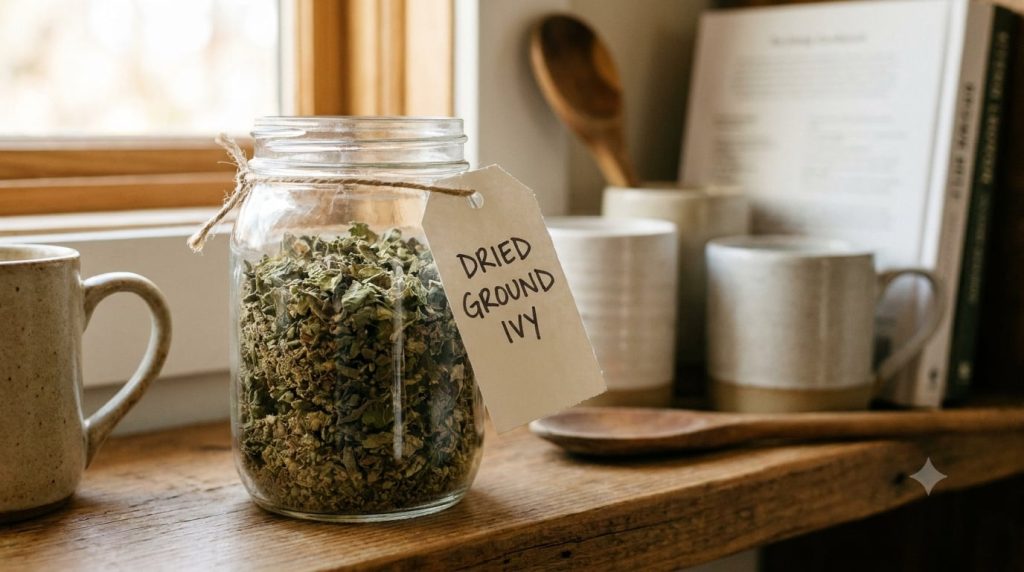
Keep dried leaves in an airtight glass jar away from light and heat. Fresh harvests must be dried quickly; never store them in a damp bag or jar, because moisture encourages mould.
Practical Tips
- Label each jar with the harvest date so you know when to replace it.
- Wash in cool water and dry completely before storing.
- Use a fine infuser so small leaf pieces do not float in the cup.
Common Mistakes
- Harvesting from sprayed lawns, fence lines, or roadsides.
- Boiling the herb, which makes the tea harsh.
- Steeping for an hour in hopes of a stronger effect.
- Storing damp leaves, which leads to mould.
- Confusing it with similar-looking plants; confirm identification before harvesting.
Cautions and Who Should Avoid It
Ground ivy is not suitable for everyone. Avoid it if you are pregnant or breastfeeding, have kidney or liver conditions, take prescription medication, or have a known allergy to mint-family plants. Speak with a qualified healthcare professional before adding any herbal tea to your routine. Keep plant material away from pets and children unless a veterinarian or pediatrician has advised otherwise. Stop use if you notice discomfort.
Quick Summary
- Best preparation: dried leaves and flowering tops, 1 to 2 teaspoons per cup, steeped 5 to 8 minutes.
- Best use case: an occasional light daily tea.
- Storage: airtight, dark glass jar for up to 12 months.
- When to use: one cup a day with breaks, not continuous heavy use.
- What to avoid: sprayed plants, boiling water, and use during pregnancy or with certain medical conditions.
FAQ
Can I use fresh or dried ground ivy?
Both work. Fresh is seasonal and should be used within a day or two. Dried is more practical for year-round tea.
How long does dried ground ivy last?
Stored in an airtight, dark jar, it is best used within about 12 months for the most consistent flavour.
Can I refrigerate the tea?
Brewed tea can be refrigerated for up to 24 hours. Cover it to prevent flavour absorption from other foods.
Can I freeze fresh leaves?
You can freeze fresh stems in a sealed bag, but the texture changes. Drying is the better option for tea.
Which part of the plant should I use?
The leafy stems and flowering tops are used for tea. Avoid roots and any damaged or yellowing pieces.
When should I avoid it?
Avoid it during pregnancy, while breastfeeding, with kidney or liver conditions, or if you take medication until a healthcare professional has reviewed it.
Conclusion
Ground ivy may be a nuisance in the lawn, but a carefully harvested and dried batch can become a simple, practical tea. Focus on clean plants, gentle steeping, and airtight storage, and keep your use moderate.
Read more: our guide to drying garden herbs at home.
You may also like: our full guide to making simple herbal infusions for beginners.