A gentle baking soda paste is one of the most popular natural ways to help teeth look brighter at home. This guide walks you through a simple, low-cost method, how to use it safely, and what results are realistic.
Quick Recipe
Prep time: about 2 minutes
Best for: a brighter-looking smile and surface stains from everyday coffee or tea
Use type: paste
Main ingredients:
- Baking soda
- Water
- Your regular soft-bristled toothbrush
Ingredients
- 1 teaspoon baking soda
- A few drops of water, just enough to form a thick, spreadable paste
- Optional: a clean, soft-bristled toothbrush for application
How to Make It
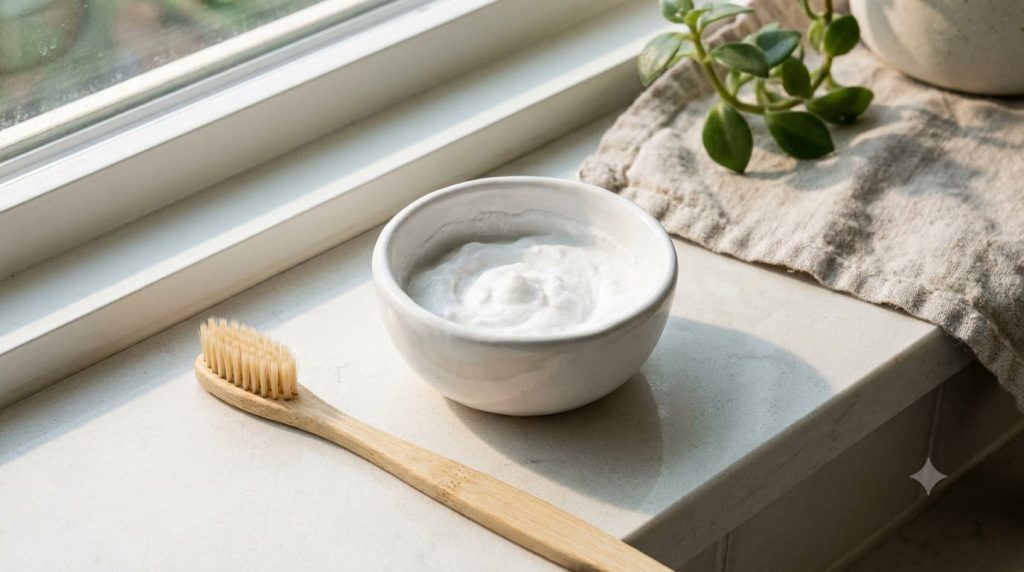
- Place 1 teaspoon of baking soda in a small clean bowl.
- Add water a few drops at a time, stirring until you get a thick paste that holds its shape on the brush.
- Make only the amount you need for one use. Do not store the paste, because it loses its texture and can become watery.
How to Use It
- Brush your teeth with your regular fluoride toothpaste first, then rinse your mouth.
- Dip a soft-bristled toothbrush into the paste and brush gently for about 30 to 60 seconds, focusing on the front surfaces of your teeth.
- Rinse thoroughly with water and brush lightly again with your regular toothpaste if you want a fresh finish.
How Often to Use It
Use this paste no more than two or three times per week. Gentle, occasional use is the safest approach for home care. Daily use may wear down enamel over time, so more is not better here.
Why These Ingredients Are Used
Baking Soda
Baking soda is a mild abrasive that can help lift surface stains from food and drinks. It is often used in home oral care routines because it is gentle when used lightly and in small amounts.
Water
Water is used only to create a smooth paste that spreads evenly and is easy to control. Keeping the mixture thick helps reduce grittiness and makes it easier to rinse away.
What Results to Expect
This method may help teeth look a little brighter by reducing surface stains over several weeks of consistent, gentle use. It does not change the natural shade of your teeth, and results vary from person to person. Stains from smoking, certain medications, or deeper discoloration usually need professional care.
Safety Notes
- Patch test first if you have sensitive gums or a history of oral irritation. Apply a tiny amount to one area and wait a day before using it more broadly.
- Use gently. Harsh scrubbing can wear enamel and irritate gums.
- Avoid this method if you have cracked teeth, exposed roots, dental work such as veneers or crowns, or open sores in your mouth.
- Stop using it if you notice tooth sensitivity, gum pain, or discomfort.
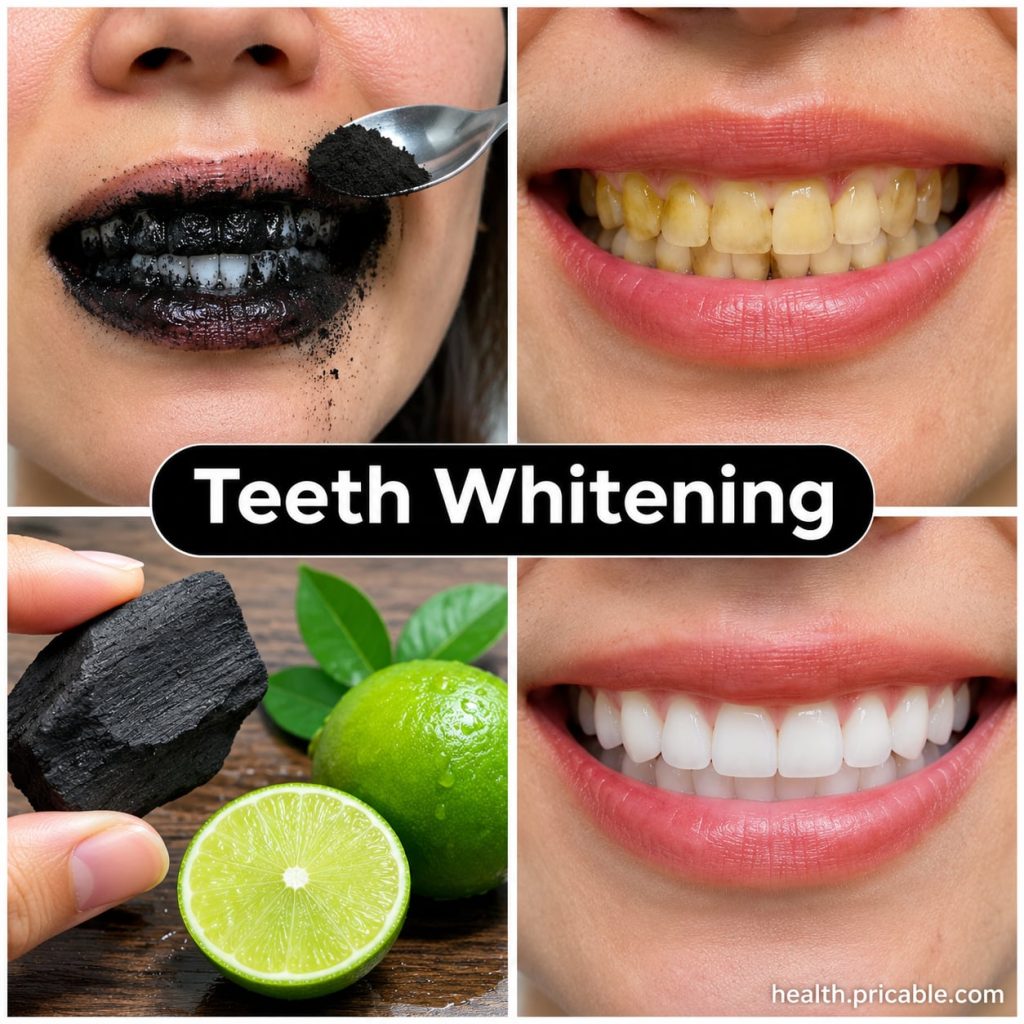
- Do not add lemon juice, vinegar, or activated charcoal. These are acidic or highly abrasive and can damage enamel.
- Do not swallow the paste. Keep it away from young children.
- Talk to your dentist before trying home whitening if you are pregnant, take medications that affect your mouth, or have a health condition.
FAQ
Can baking soda really whiten teeth?
Baking soda may help lift surface stains, which can make teeth look brighter. It does not change the deeper natural color of enamel, so results are usually modest.
How long before I notice a difference?
Some people notice a subtle change after a few weeks of gentle, consistent use. Individual results depend on diet, habits, and the type of staining you have.
Is this safer than peroxide whitening strips?
This method avoids strong bleaching agents, but it is still an abrasive. Many people find it gentler when used sparingly. Professional whitening is the best option for stubborn stains, and your dentist can recommend the safest choice for your teeth.
Final Thoughts
A simple baking soda paste used two or three times a week can be a gentle way to support a brighter-looking smile at home. For more easy home beauty ideas, explore more guides on our website and keep your routine simple and consistent.