This is the part most people skip: the sticky, pale resin sold as a premium natural ingredient is not a fruit product at all. The resin that often carries a high price tag is mastic gum, collected from the mastic tree (Pistacia lentiscus), a shrub that also produces small berry-like fruits. The headline’s ‘fruit resin’ label mixes up two parts of the plant. Below you will find how the resin is harvested, a simple homemade mastic-infused oil for topical use, and the practical limits you should know before you start.
What It Is
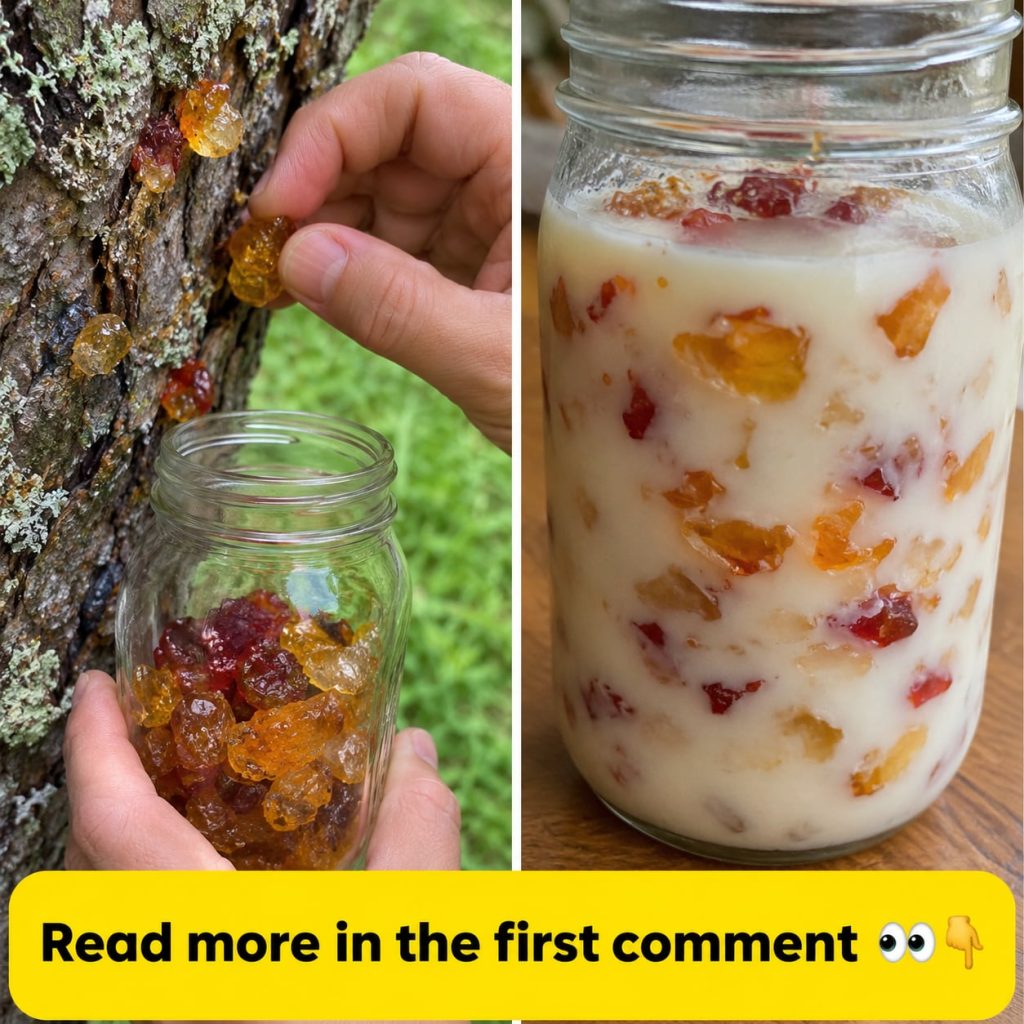
Mastic is a hard, translucent resin that forms as droplets on the bark when the tree is cut or stressed. Once dried, it breaks into small, glassy tears. Traditionally it was chewed, used in cooking, and added to balms. Its high cost comes from the limited harvest, hand collection, and the time needed to clean and sort the tears.
Ingredients
- 1 teaspoon (about 5 g) clean mastic tears
- 1/4 cup (60 ml) cold-pressed almond oil or olive oil
- Optional: 1 vitamin E capsule for added stability
- A small, clean dark glass jar with a tight lid
- A fine mesh strainer or coffee filter
Approximate Measurements
| Ingredient | Amount | Role |
|---|---|---|
| Mastic tears | 1 tsp (about 5 g) | Resin source |
| Carrier oil | 1/4 cup (60 ml) | Infusion base |
| Vitamin E | 1 capsule (optional) | Helps slow rancidity |
Formula and Recipe
This makes a small batch of about 50 ml. The ratio is roughly 1 part resin to 12 parts oil by volume. Keep batches small because the infused oil is best used within a few weeks.
Step-by-Step Method
- Check the tears. Remove any bark, dust, or sand. Good resin should look glassy and break cleanly.
- Lightly crush the tears in a dry mortar. Smaller pieces dissolve faster, but do not turn them into powder.
- Place the crushed resin in the dry jar and pour in the oil.
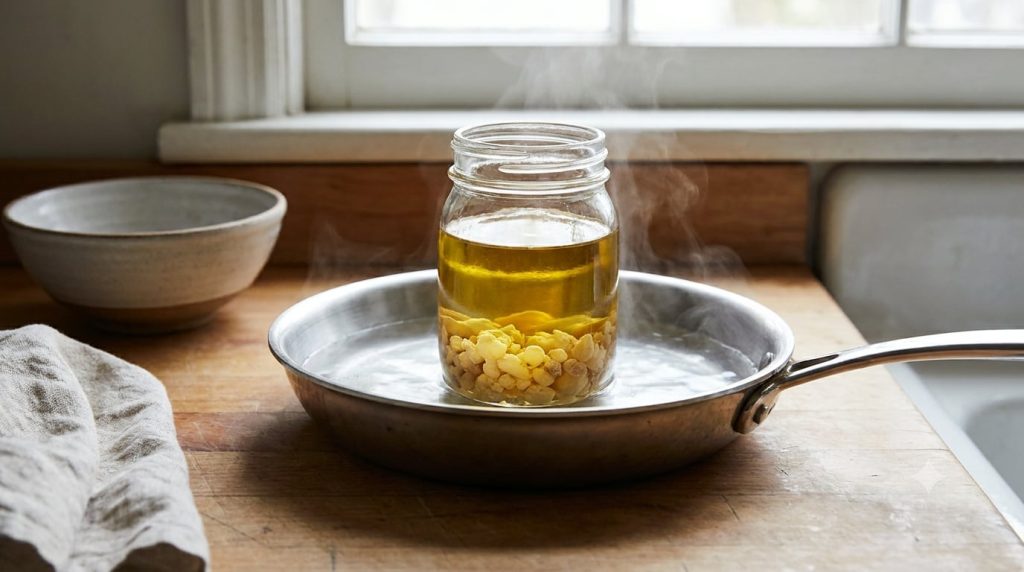
- Set the jar in a pan of warm water at about 40 to 50 C (104 to 122 F) for 1 to 2 hours, stirring every 20 minutes. Never let the oil smoke or boil.
- Let it cool, then strain through a fine mesh or coffee filter into a clean dark bottle.
- Label the bottle with the date.
How to Use
Apply a few drops to clean, dry skin, or blend 1 to 2 drops into a larger amount of your regular moisturizer. Patch test on the inner forearm first and wait 24 hours. Do not apply to broken skin.
How Often to Use It
Most people use the oil once or twice daily for a short trial period of two weeks. Stop if redness, itching, or irritation appears. Do not expect rapid changes; any results from a simple home oil should be seen as gradual.
Quick Reference: Choosing a Form
| Form | Best Use | Typical Shelf Life |
|---|---|---|
| Whole tears | Storage and infusions | Very long when kept dry |
| Powder | Quick dissolving, mixing | Shorter, absorbs moisture |
| Infused oil | Topical use | About 3 to 4 weeks refrigerated |
How to Buy and Choose Mastic
Choose clear, pale tears that are dry and glassy. Avoid pieces that look cloudy, sticky, or mixed with dark debris. Buy from sellers who list origin and harvest date, and store the resin in a sealed container away from heat and humidity.
Storage
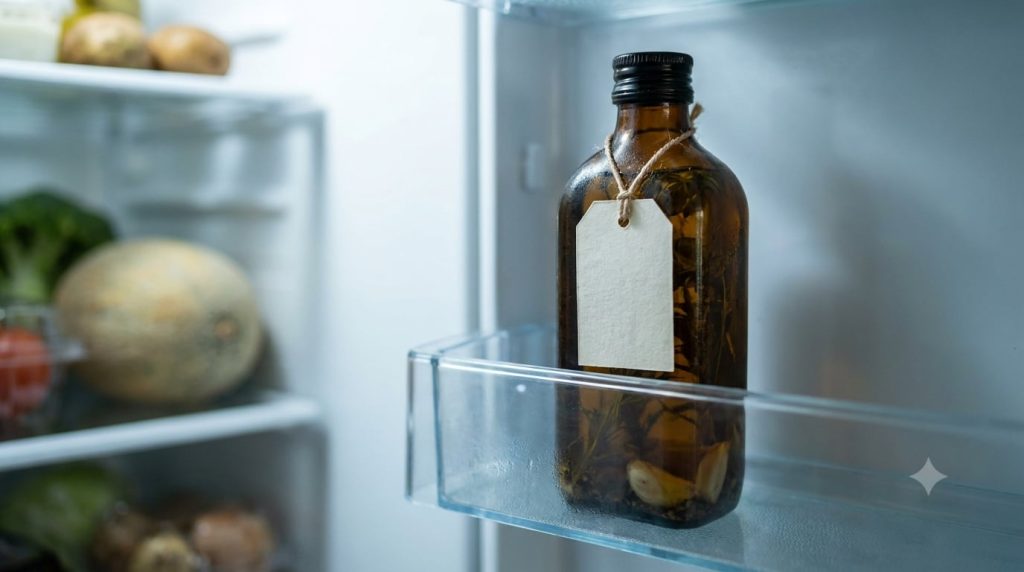
Keep dried tears in an airtight jar at room temperature, away from sunlight. Keep the infused oil in a dark glass bottle in the refrigerator and use it within about one month. If it smells sharp or changes color, discard it.
Practical Tips
- Use warm, not hot, heat. Overheating changes the scent and can reduce the quality of the oil.
- Label every batch with the date so you know when it expires.
- Dry all tools completely. Water introduces spoilage.
- Start with less oil if your skin is sensitive. You can always add more later.
Common Mistakes
- Boiling the oil, which can burn the resin and produce a harsh smell.
- Using resin that is cloudy, sticky, or dirty.
- Storing the infusion in a clear jar on a sunny shelf.
- Making a large batch that sits for months.
- Skipping the patch test and applying to damaged skin.
Cautions and Who Should Avoid It
Mastic belongs to the same plant family as pistachio and cashew. If you have a known allergy to these nuts or to other plants in the Anacardiaceae family, do not use it. Avoid use on broken skin or near the eyes. People who are pregnant, breastfeeding, or taking regular medication should check with a qualified healthcare professional before using any herbal product. This article is for general information and is not medical advice.
Quick Summary
- Best preparation: small warm-water oil infusion from clean, dry tears.
- Best use case: topical skin care blended into your usual moisturizer.
- Storage: dried resin in a sealed jar; infused oil refrigerated for about one month.
- When to use: once or twice daily during a two-week trial.
- What to avoid: boiling, damp tools, damaged skin, and known nut or plant allergies.
FAQ
Can I use fresh mastic instead of dried?
Dried, clean tears are the usual form sold. Fresh sap is not practical at home and can contain bark debris.
How long does the infused oil last?
Refrigerated in a dark bottle, most batches are best used within about one month. Discard it if the smell changes.
Can I refrigerate the oil?
Yes. Cool storage slows spoilage. Let it come to room temperature for a few minutes before applying.
Can I freeze the infusion?
Freezing is not necessary for a small batch. Make smaller amounts more often instead.
Can I reuse the strained resin pieces?
It is better not to. Once used, the pieces have released most of their character and may carry moisture.
Is mastic the same as frankincense?
No. Both are plant resins, but they come from different plants and have different scents and uses.
Conclusion
Mastic is a practical resin with a clear home preparation method, but its value depends on clean material, gentle heat, and careful storage. Start small, patch test, and keep batches fresh.
Read more: our guide to choosing carrier oils for sensitive skin.
You may also like: a step-by-step guide to homemade herbal infusions.
See the full guide: how to store homemade skin care safely.