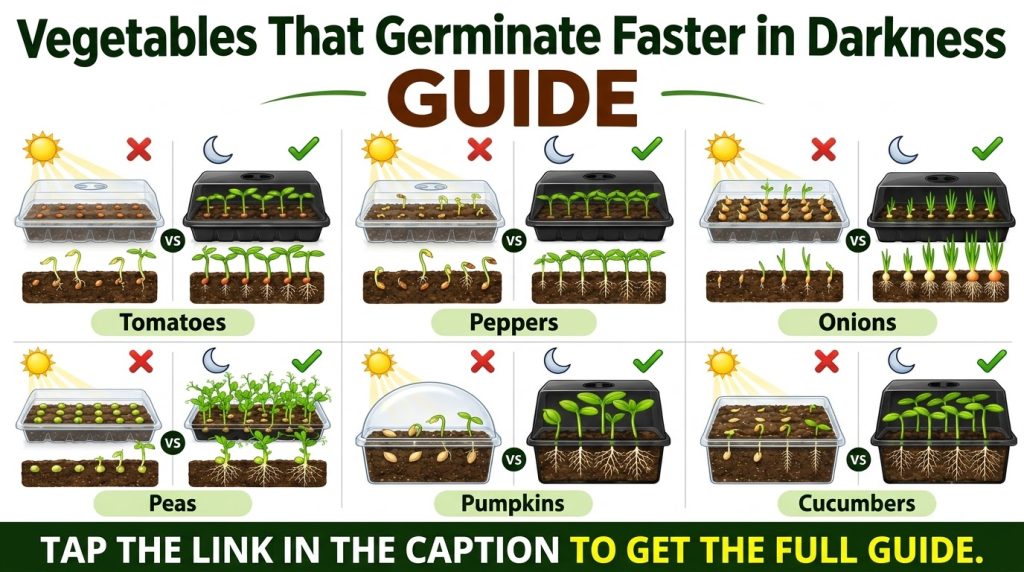
Starting vegetables from seed is one of the most rewarding parts of gardening, but it can also be frustrating when seedlings are slow to appear or sprout unevenly. Many gardeners have started experimenting with darkness to help seeds get off to a strong start. Here is a friendly, practical look at how dark germination works, which vegetables often respond well, and how to move your seedlings into the light at the right time.
Why Darkness Can Help Some Seeds Sprout
A seed needs three basic conditions to germinate: moisture, warmth, and oxygen. Light is not required for most vegetable seeds to begin sprouting. In fact, many seeds naturally germinate underground, where it is dark. Covering a seed tray helps keep the soil evenly moist and warm, which can lead to more consistent sprouting. Results will vary depending on the variety, temperature, and how well the soil is managed, so it is best to see darkness as a helpful tool rather than a guaranteed shortcut.
Vegetables That Often Respond Well to Darkness
Several popular vegetables are commonly started in covered or dark conditions during the germination stage. Keep in mind that each one still needs proper care once the seedlings appear.
- Tomatoes
- Peppers
- Onions
- Peas
- Pumpkins
- Cucumbers
Some seeds, such as lettuce and certain herbs, are known to need light to germinate. Always check the seed packet before covering your tray, because a few seeds are light-dependent.
Step-by-Step: Starting Seeds in Darkness
- Fill a clean seed tray with a light, sterile seed-starting mix.
- Moisten the mix thoroughly, but do not let it become waterlogged.
- Sow seeds at the depth recommended on the packet and label each row so you remember what you planted.
- Cover the tray with a humidity dome, a plastic bag, or a sheet of damp newspaper to block light and hold in moisture.
- Place the tray in a warm spot, such as on top of a refrigerator or near a heat mat, and check it every day.
- As soon as you see sprouts breaking through the soil, remove the cover right away.
Move Seedlings to Light Quickly
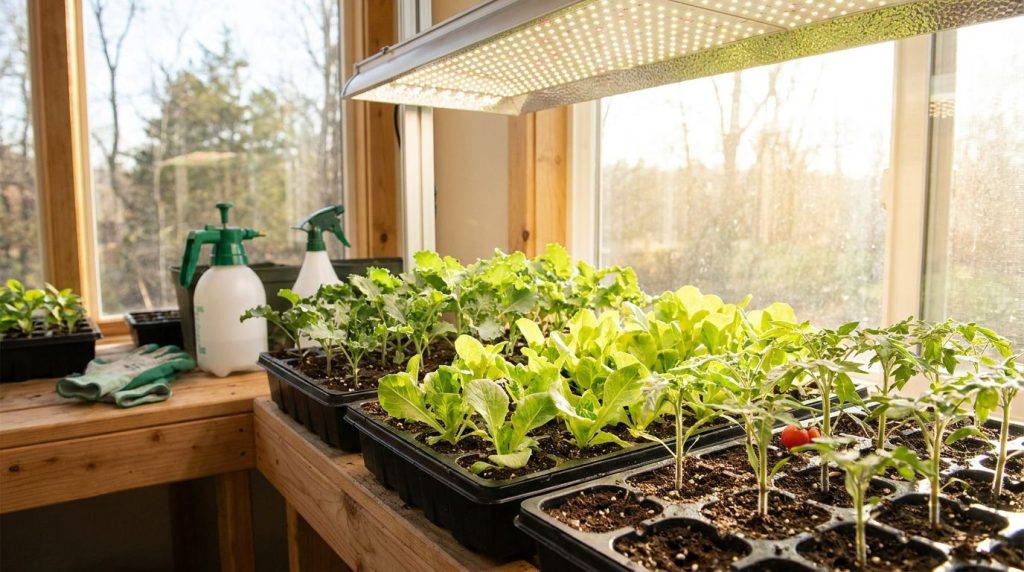
Darkness is only helpful during germination. Once seedlings emerge, they need strong light to grow sturdy stems and healthy leaves. Seedlings left in the dark too long will stretch toward any light they can find, becoming thin, pale, and weak. Place them under a bright grow light or a sunny south-facing window, and keep the light close to the tops of the seedlings so they stay compact.
Common Mistakes to Avoid
- Leaving the cover on after sprouts appear, which can cause mold and weak growth.
- Letting the soil dry out during germination.
- Overwatering, which can rot seeds before they sprout.
- Keeping seedlings in darkness for too long.
- Covering light-dependent seeds without checking their needs first.
Final Thoughts
Dark germination can be a simple, low-cost way to support steady sprouting for many vegetables. Pair it with consistent moisture, gentle warmth, and quick movement into bright light, and your seedlings will have the best chance to grow into strong, productive plants. Give it a try with a small tray this season and see how your garden responds.