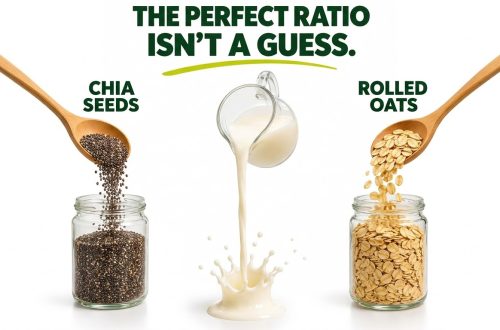
Did you know not all chia seeds are created equal? Whether you sprinkle them over yogurt, stir them into a morning smoothie, or soak them overnight for a simple chia pudding, the quality of your seeds makes a real difference in both nutrition and taste. The good news is that you do not need a lab to tell the difference. With a few simple checks, you can learn to spot fresh, high-quality chia seeds right in your own kitchen.
Why Chia Seed Quality Matters
Chia seeds are prized for their fiber, plant-based omega-3 fats, and protein. However, these nutrients are delicate. Seeds that have been stored poorly, exposed to heat or moisture, or left on a shelf for too long can lose freshness and develop rancid oils. Choosing good seeds helps you get the benefits you are looking for, from supporting digestive health to keeping you feeling full through the morning.
Five Key Indicators of Quality Chia Seeds
-
1. Natural Color Variation
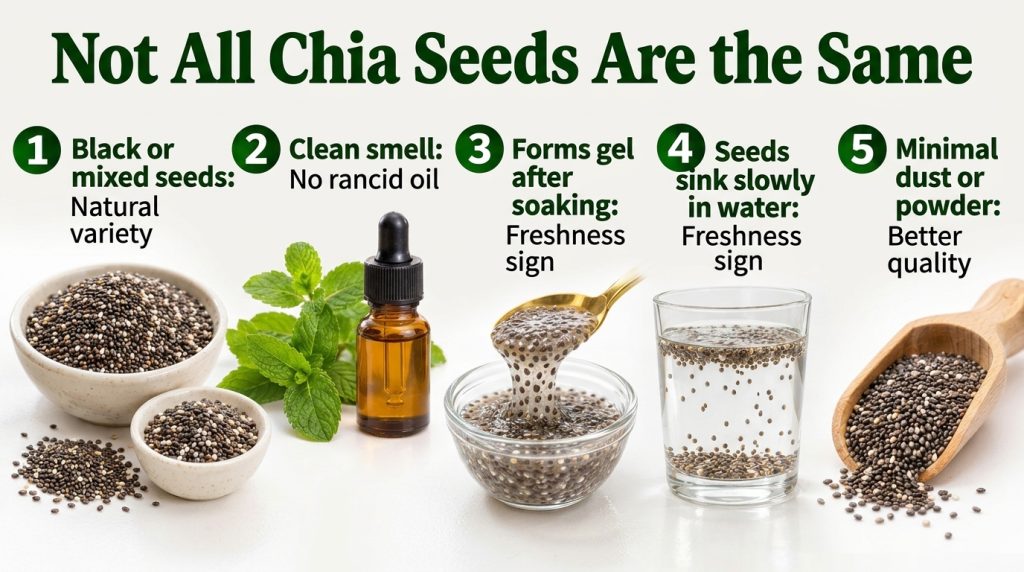
High-quality chia seeds naturally come in black, grey-speckled, and mixed shades. Color variation is a normal part of the seed’s natural makeup, so a mix of dark and light seeds is not a sign of a problem. Look for seeds that appear uniform in their natural tones rather than dull, faded, or unusually bleached.
-
2. A Clean, Neutral Smell
Fresh chia seeds should smell mild or nearly odorless. If you notice a sharp, sour, paint-like, or crayon-like smell, the oils may have gone rancid. Rancid oils not only taste unpleasant but also reduce the nutritional value you are paying for. Always check the seeds before you add them to a recipe.
-
3. Forms a Gel After Soaking
One of the most reliable freshness tests is soaking. Stir one tablespoon of chia seeds into about half a cup of water and let them rest for 10 to 15 minutes. Good seeds will develop a thick, gel-like coating around each seed. Weak or aged seeds may form a thinner gel or barely change at all.
-
4. Seeds Sink Slowly in Water
When you add dry chia seeds to a glass of water, they should sink slowly and settle gradually as their outer layer begins to absorb moisture. Seeds that float for a long time or sink unusually fast may be less fresh or may not be fully mature, so watching how they behave is a helpful quick check.
-
5. Minimal Dust or Powder
Look at the seeds in the package and in your hand. Quality chia seeds should be mostly whole, with very little fine dust, broken seeds, or powdery residue at the bottom of the bag. Excess dust can be a sign of rough handling, poor storage, or lower-grade product.
How to Store Chia Seeds for Freshness
Even the best seeds can lose quality if they are stored incorrectly. Keep chia seeds in an airtight container, away from heat, direct sunlight, and humidity. A cool pantry works well for everyday use, and a refrigerator or freezer can extend freshness if you buy in bulk. Proper storage helps protect the healthy fats and keeps your seeds tasting clean.
Tips for Buying Chia Seeds with Confidence
- Choose packages with a clear best-before date and buy quantities you can use within a few months.
- Pick sealed bags or containers that show no moisture, clumping, or damage.
- Check the ingredient list and look for pure chia seeds without unnecessary additives.
- Buy from stores with good turnover so the product stays fresh.
Enjoying Chia Seeds at Their Best
Once you have chosen high-quality seeds, you can enjoy them in many simple ways. Try stirring them into oatmeal, sprinkling them over salads, or mixing them into a glass of plant-based milk for an easy chia pudding. Start with about one to two tablespoons a day and adjust to what feels comfortable for you. With a little attention to quality, you can make chia seeds a practical and satisfying part of your healthy eating routine.