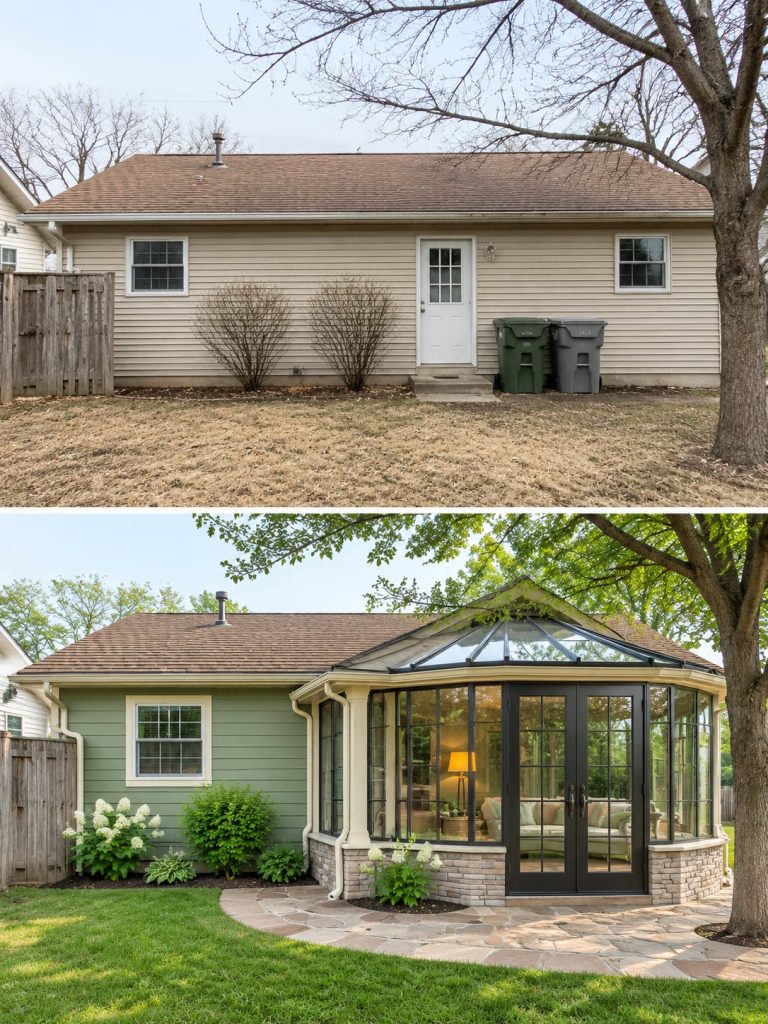
Most homes have one forgotten corner: a narrow strip beside the back door, a dead spot where two walls meet, or a leftover nook that never quite fits the furniture. It collects shoes, dust, and the occasional wilted houseplant. With a bit of planning, that same corner can become a sun-filled sunroom where you read in the morning light, keep your favorite plants thriving, and look straight out at the garden. You do not need a large addition or a big budget to make it work. You need to understand how light moves through the space, how temperature changes across the seasons, and which plants and furnishings will handle those conditions. This guide walks you through each step in a practical, mentor-style way so you can build a space you actually enjoy using.
Start With the Light, Not the Furniture
The core principle of any sunroom is simple: the plants and people in the room need light in very different amounts, and glass can deliver far more heat than most people expect. Before you buy a single chair, spend a full sunny day in the corner. Check it at 8 a.m., noon, and 4 p.m. Note where sunlight lands on the floor, how long it stays on a windowsill, and whether the glass feels hot to the touch in the afternoon.
In the Northern Hemisphere, a south-facing corner usually gets the strongest and longest light, which is excellent for herbs, citrus, and flowering houseplants but can overheat quickly in summer. An east-facing corner gets gentle morning sun, which suits many foliage plants and makes a comfortable reading spot. A west-facing corner gets intense afternoon heat and glare. A north-facing corner is the dimmest, so choose plants that tolerate lower light and expect slower growth.
Set Up the Corner for Comfort and Plant Health
Once you know how the light behaves, you can plan the layout. Keep seating at least three to four feet away from the hottest glass so you are not sitting in direct radiant heat, and position your reading chair so the light falls over your shoulder rather than straight into your eyes. Use a side table with a lamp for evenings, since sunrooms can feel gloomy after dark.
Plants should sit in sturdy containers with drainage holes. Use plant stands or shelves to lift pots off the floor, which improves airflow and helps you spot pests or water pooling underneath. Place taller plants at the back or along the solid wall so they do not block the view or the walkway. Choose a floor that tolerates water, such as sealed tile, vinyl plank, or a washable rug on a waterproof base.
Ventilation matters more than most homeowners expect. A small operable window, a ceiling fan, or a freestanding fan can prevent heat pockets and stagnant, humid air that invites fungus gnats and powdery mildew. Moving air also strengthens stems on young plants.
Managing Heat, Cold, and Humidity
Glass is excellent at trapping sunlight, which is exactly why a sunroom can become an oven by midafternoon. Install light-filtering blinds, a sheer curtain, or exterior shade cloth on the sunniest side. Many plants that love bright light, including herbs and succulents, will still scorch if the glass magnifies midday sun. Watch for pale, bleached, or crispy patches on leaves as a sign of too much direct exposure.
In winter, the opposite problem appears. Glass can feel cold at night, and plants placed directly against it may suffer cold damage. Keep foliage plants at least a few inches from the glass during cold months, and avoid placing pots on windowsills during frosty nights. A simple thermometer near your plants will tell you more than guessing. Most houseplants prefer daytime temperatures in the 65 to 75 degree Fahrenheit range and nighttime temperatures that do not drop sharply.
Humidity can also swing widely. Sunrooms often feel dry in winter when the heating system runs, and steamy in summer. Group plants together to create a small humid microclimate, and use a pebble tray for smaller pots. A humidifier can help if your indoor air stays very dry.
Choosing Plants That Match the Corner
Plant choice depends entirely on the light you measured. In a bright south or east corner, you might grow rosemary, thyme, or basil in a sunny container, or a dwarf citrus such as a Meyer lemon in a large pot with a drainage saucer. Meyer lemon is generally grown in USDA zones 9 to 11 outdoors, but in cooler regions it does well as a container plant moved indoors when nights drop below about 50 degrees Fahrenheit. Water it when the top inch of soil feels dry, and expect growth to slow in winter.
In medium light, consider pothos, peace lily, or a rubber plant. Pothos tolerates a wide range of conditions but grows best in bright, indirect light. Peace lily will tolerate lower light but flowers more reliably when it receives brighter indirect light. Water peace lily when its leaves begin to droop slightly, which tells you it needs moisture, and check that the pot is not sitting in standing water.
In lower light, snake plant and cast iron plant are reliable choices. Both tolerate dim corners well, though their growth will be slower. Overwatering is the most common cause of decline, so let the soil dry deeply between waterings.
Propagation and Growing Through the Seasons
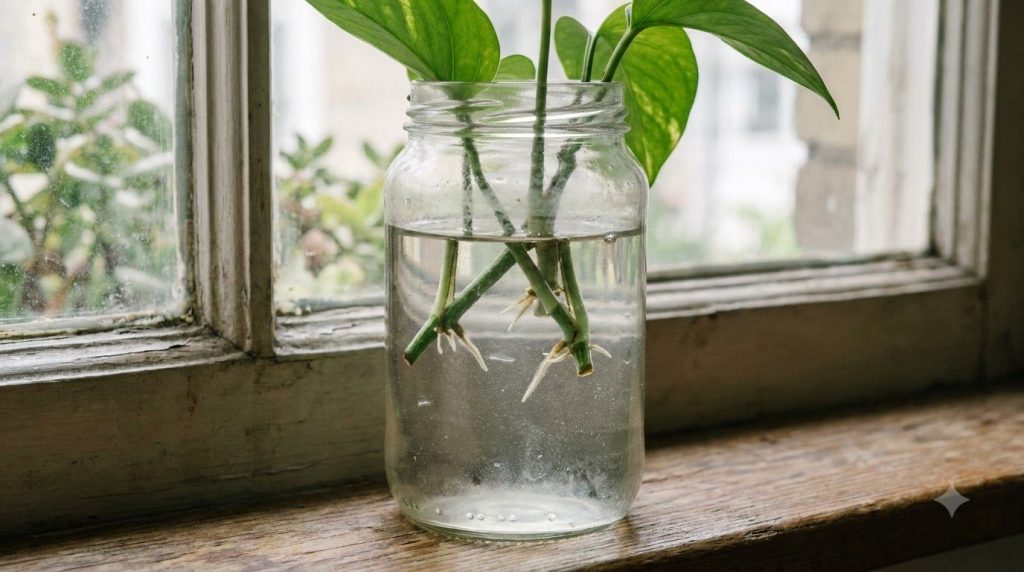
A sunroom is also a good place to root cuttings. Pothos and similar vining plants root well in water when you cut just below a node, which is the small bump on the stem where a leaf attaches and roots emerge. Place cuttings in a clear jar of water in bright, indirect light and change the water every few days. Roots often appear within a few weeks under suitable conditions, though timing varies with temperature, light, and cultivar. Transfer rooted cuttings to soil once the roots are a couple of inches long.
Seasonal planning helps your sunroom stay productive. Herbs and leafy greens can be started in late winter for transplanting outdoors once frost risk has passed in your area. Local frost dates, soil temperature, and day length matter more than the calendar alone. Your county cooperative extension service can provide frost dates and regional growing guidance, which is especially useful if you live in a cold region or a hot, humid one. USDA zones measure winter cold tolerance, so they tell you what can survive outdoors in your yard but do not determine whether a sunroom plant is happy indoors.
Common Mistakes to Avoid
- Placing the seating in direct afternoon sun, which turns the reading nook into a heat trap.
- Choosing plants by appearance alone without checking how much light the corner actually receives.
- Letting pots sit in saucers of standing water, which leads to root rot.
- Pressing foliage plants against cold winter glass, which can cause leaf damage.
- Skipping ventilation, which encourages pests, mildew, and stale air.
Bringing the Garden Indoors Year Round
A well-planned sunroom does more than add a few extra square feet. It gives you a place to enjoy the garden in every season, start seedlings, rescue a struggling houseplant, and slow down with a book while the light moves across the floor. Start small. Measure the light, choose two or three plants that match it, add a comfortable chair, and watch how the space changes over the next month. Adjust the blinds, rotate the pots a quarter turn each week for even growth, and pay attention to what your plants show you. Your corner can become the most used room in the house, and you can begin this week.