At first glance, these foods can look like diet disasters: chocolate, pasta, potatoes, peanut butter…
But when you look closer, many of them are quietly powerful healthy comfort foods that support energy, hormones, and a steady mood.
Most people never realize this because we tend to label foods as “good” or “bad” instead of asking: What does this actually do in my body?
Let’s walk through the 8 foods and how to use them in a smart, everyday way.
Why Some Healthy Foods Look “Bad” at First Glance
Years of diet culture taught us to fear carbs, fats, and anything that feels enjoyable.
In reality, your body needs:
- Carbohydrates for brain and muscle fuel.
- Fats for hormones, skin, and satiety.
- Antioxidants and fiber to protect your cells and digestion.
The trick is quality + portion, not perfection.
The 8 Foods That Are Actually Good for You
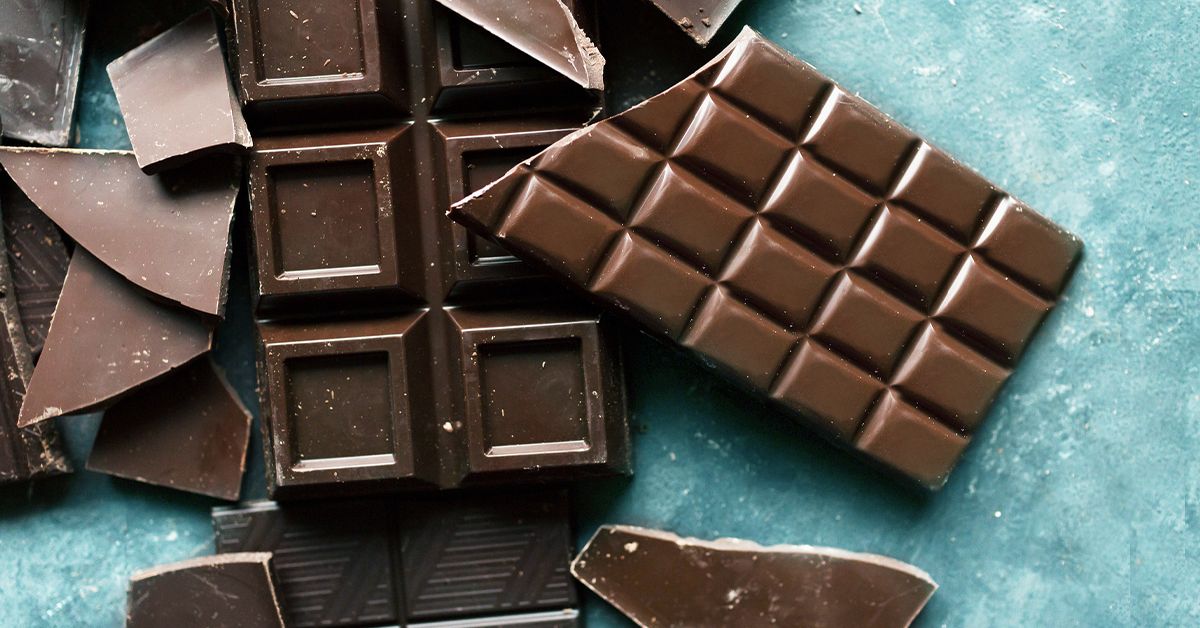
1. Dark Chocolate (70%) – Antioxidant-Rich Treat
Dark chocolate with around 70% cocoa is packed with flavonoids that support blood flow, brain health, and mood.
- Offers antioxidants that fight oxidative stress.
- A small square can calm sweet cravings, helping you avoid bigger sugar binges.
How to use it
Have 1–2 small pieces after a meal, or melt it over fruit like strawberries or bananas.
2. Popcorn – High-Fiber Snack
Plain popcorn (air-popped or lightly oiled) is a whole grain, not junk food.
- Provides fiber that supports digestion and keeps you full.
- Crunchy texture satisfies snack cravings without heavy calories when prepared simply.
How to use it
Make popcorn at home with a bit of olive oil and sea salt. Skip the heavy butter and sugar coatings most movie versions use.
3. Potatoes – Resistant Starch for Steady Energy
Potatoes are often blamed for weight gain, but they’re actually rich in resistant starch, especially when cooked and cooled.
- Resistant starch feeds good gut bacteria and may help support blood sugar balance.
- Potatoes also provide potassium for heart and muscle function.
How to use it
Boil or roast potatoes, then let them cool and eat them in salads or reheated. Pair with protein and veggies instead of deep-frying them.
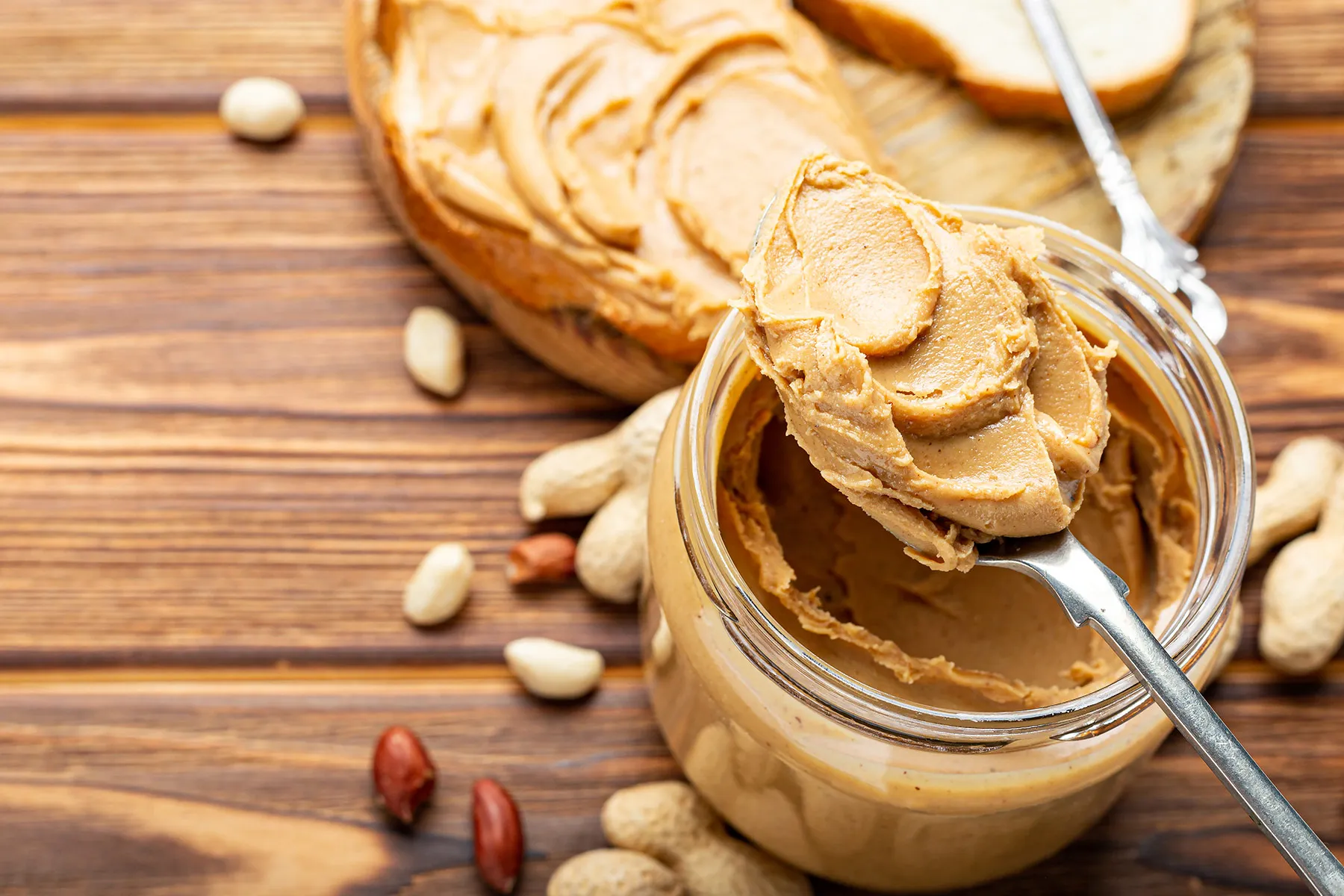
4. Peanut Butter – Healthy Fats and Protein
Peanut butter looks indulgent, but it is full of mono- and polyunsaturated fats and plant protein.
- Healthy fats support hormones, brain function, and satiety.
- A spoonful can make snacks more satisfying and prevent overeating later.
How to use it
Choose peanut butter with just peanuts (and maybe salt). Spread on apple slices, whole-grain toast, or stir into oatmeal.
5. Pasta – Lower Glycemic Impact Than You Think
Pasta gets a bad reputation as a “carb bomb,” yet when eaten correctly it can have a moderate glycemic impact.
- Provides steady energy, especially when cooked al dente and paired with fiber and protein.
- Comforting carbs can calm stress when eaten in a balanced meal.
How to use it
Serve a smaller portion of pasta and load the plate with veggies, olive oil, and a protein like beans, chicken, or salmon.
6. Frozen Berries – Higher Antioxidants
Frozen berries are often picked at peak ripeness and then frozen quickly.
- They keep most of their vitamins and can even have higher antioxidant levels compared to tired, out-of-season fresh berries.
- They’re easy to keep on hand for months.
How to use it
Stir into yogurt, oatmeal, smoothies, or even warm them slightly and spoon over that dark chocolate square.
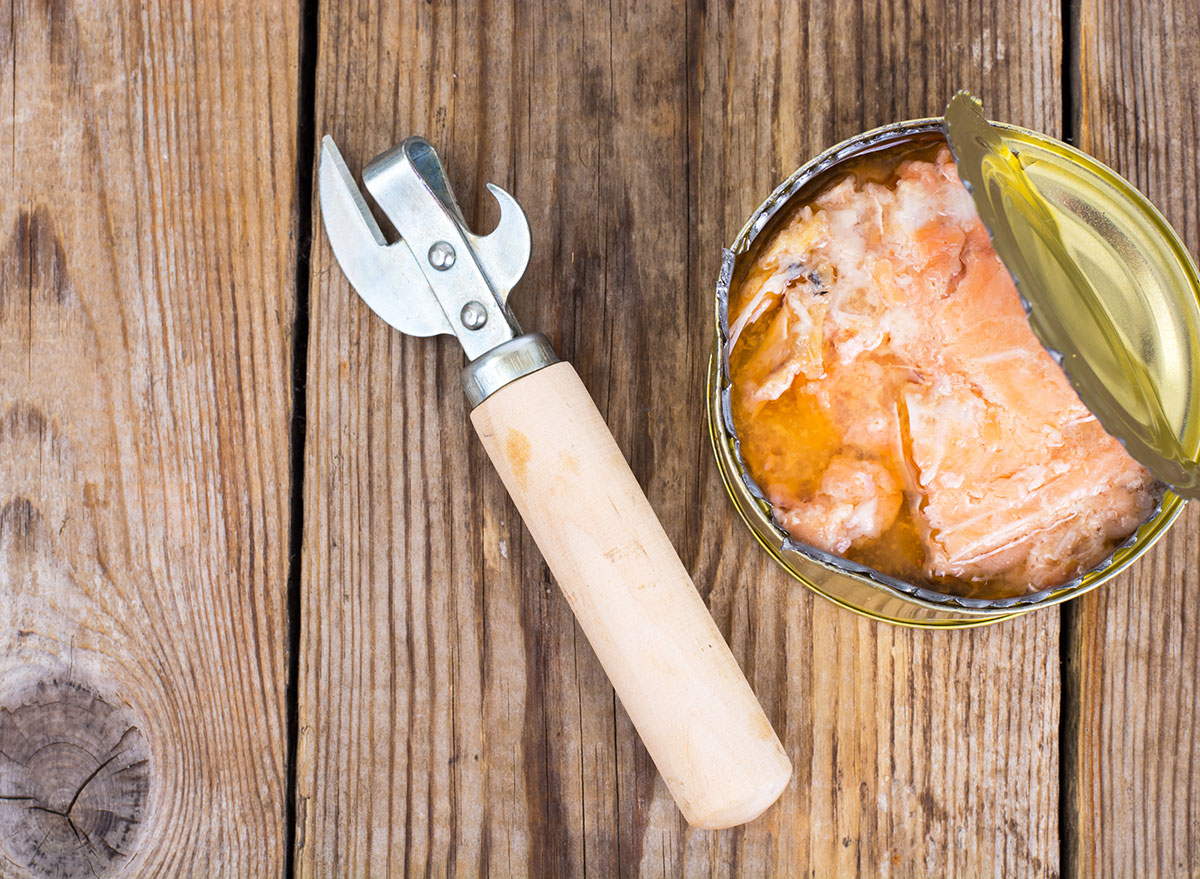
7. Canned Salmon – Convenient Protein
Canned salmon looks “processed,” but it is simply cooked and packed fish.
- Provides quality protein plus bones that are usually soft enough to eat, giving you extra calcium.
- Affordable and shelf-stable, so it’s there when you need a quick meal.
How to use it
Mix with olive oil, lemon, herbs, and a bit of mustard for a spread. Serve on whole-grain crackers or in lettuce wraps.
8. Frozen Salmon – Omega-3 Rich Staple
Frozen salmon is just fresh salmon preserved for later.
- Rich in omega-3 fats that support brain, heart, and joint health.
- Freezing keeps nutrients intact while reducing food waste.
How to use it
Bake from thawed with lemon, garlic, and herbs. Pair with potatoes and a pile of veggies for an easy, nutrient-dense plate.
Tips to Combine Them Effectively
- Pair carbs (pasta, potatoes, popcorn) with protein and fats to steady blood sugar.
- Use dark chocolate and peanut butter as small anchors to prevent feeling deprived, not as all-you-can-eat foods.
- Keep frozen berries, frozen salmon, and canned salmon stocked for “I have nothing to cook” days.
If you have allergies (peanuts, fish, gluten), choose safe alternatives that offer similar nutrients.
Save this guide for the next time you feel guilty about enjoying these foods.