Dreaming of a garden overflowing with delicious, homegrown fruit? Whether you envision crisp apples, juicy peaches, or sweet cherries, the secret to a thriving home orchard often lies in one crucial practice: proper fruit tree pruning! It might seem daunting at first, but with the right knowledge, you can cultivate healthier trees that yield more bountiful harvests year after year.
Pruning is an art and a science, essential not just for fruit production but also for the overall health and longevity of your trees. In this guide, we’ll dive into the essential timing and techniques for both Pome Fruits (like apples and pears) and Stone Fruits (such as peaches, plums, and cherries), helping you achieve that dream harvest.
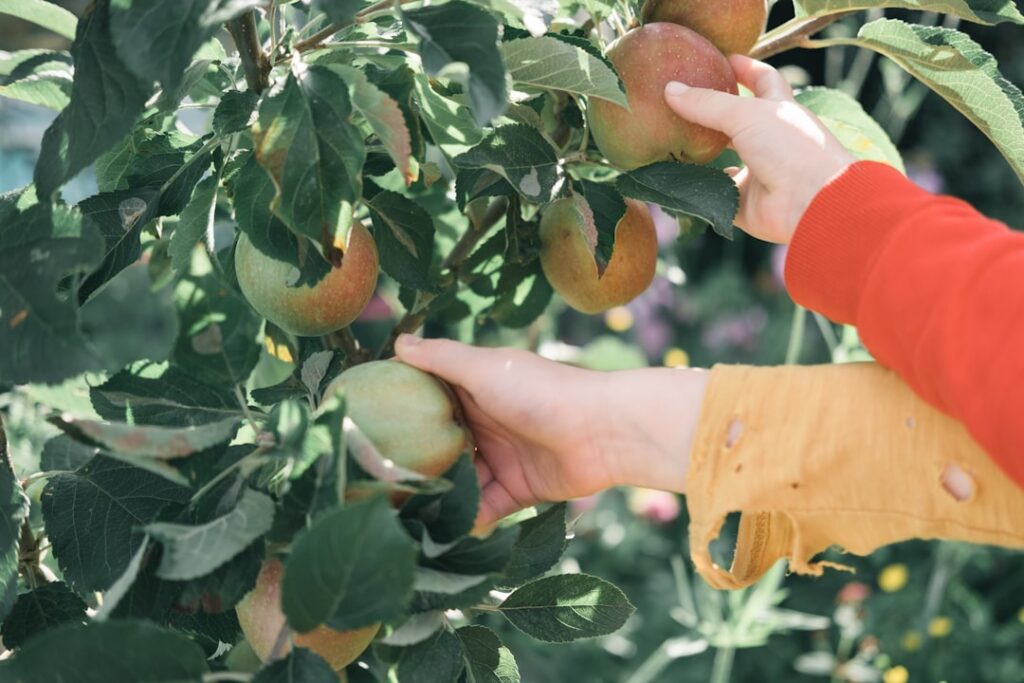
Why Pruning Is Crucial for Your Fruit Trees
Pruning isn’t just about trimming; it’s about intentional shaping and maintenance that directly impacts your tree’s performance. Here’s why it’s so important:
- Increased Fruit Production: Proper pruning stimulates new growth and directs the tree’s energy into producing larger, higher-quality fruit. It also removes unproductive wood.
- Improved Fruit Quality: By opening up the tree’s canopy, pruning allows more sunlight and air circulation to reach developing fruits, leading to better color, flavor, and fewer diseases.
- Disease Prevention: Removing dead, diseased, or crossing branches reduces hiding spots for pests and pathogens, improving the tree’s overall health.
- Stronger Structure: Pruning helps establish a sturdy framework, preventing branches from breaking under the weight of heavy fruit or adverse weather conditions.
- Easier Harvesting & Maintenance: Keeping your tree to a manageable size makes it easier to pick fruit, spray for pests, and perform future pruning.
When to Prune: Timing is Everything
The timing of your pruning can significantly affect your tree’s health and fruit production. Generally, fruit trees are pruned during their dormant season, typically late winter or early spring, before new growth begins.
Pruning Pome Fruits (Apples & Pears)
Pome fruits, which include apples and pears, are best pruned during their dormant period, typically from late winter to early spring. Pruning during dormancy minimizes stress on the tree and encourages vigorous growth in the spring.
Techniques for Pome Fruits:
- Remove the Three D’s: Start by removing any dead, diseased, or damaged branches.
- Eliminate Crossing Branches: Cut out branches that rub against each other, as this can create wounds and entry points for disease.
- Open the Canopy: Aim for an open structure that allows light and air into the center of the tree. Remove inward-growing branches and watersprouts (vertical shoots).
- Thinning Cuts: Remove entire branches back to their origin to reduce density and encourage stronger, fruiting wood.
- Heading Cuts: Shorten branches to encourage bushier growth and promote lateral branching. Use these sparingly for established trees.
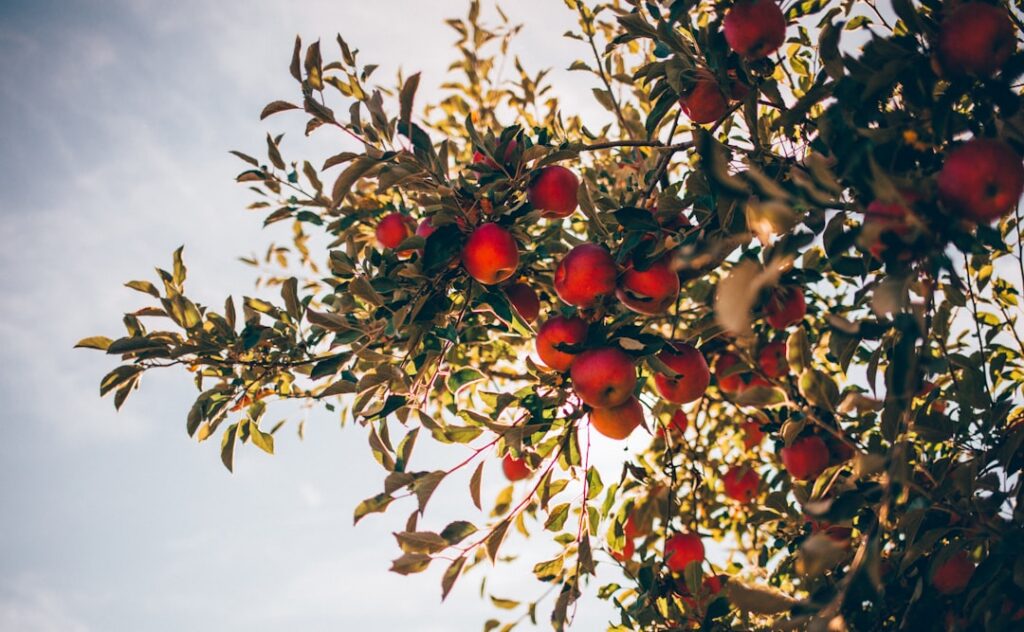
Pruning Stone Fruits (Peaches, Plums, Cherries, Apricots)
Stone fruits, such as peaches, plums, cherries, and apricots, are often pruned at a slightly different time than pome fruits. While some dormant pruning is acceptable, many gardeners prefer to prune stone fruits in late spring or early summer, after the danger of severe frost has passed and ideally after they have set fruit (for some varieties, immediately after harvest). This timing helps reduce the risk of certain diseases like silver leaf fungus.
Techniques for Stone Fruits:
- Open Vase Shape: Many stone fruits, especially peaches, thrive with an open vase shape. This involves removing the central leader and encouraging 3-5 well-spaced scaffold branches.
- Aggressive Thinning: Stone fruits often benefit from more aggressive thinning than pome fruits, as they produce fruit on younger wood. Remove older, less productive branches to encourage new growth.
- Remove Suckers and Water Sprouts: These vigorous, non-fruiting shoots should be removed as they drain the tree’s energy.
- Thinning Fruit: For peaches and some plums, thinning the fruit itself after it sets can lead to larger, healthier remaining fruits and prevent branch breakage.
General Pruning Tips for Success
- Use Clean, Sharp Tools: Sharp bypass pruners, loppers, and a pruning saw are essential for making clean cuts that heal quickly. Sterilize your tools between trees (and even between cuts if a tree is diseased) with rubbing alcohol or a bleach solution to prevent disease spread.
- Don’t Remove Too Much: A general rule of thumb is not to remove more than 25-30% of the tree’s canopy in a single year. Excessive pruning can stress the tree.
- Make Proper Cuts: Always cut just above a bud or branch collar (the slightly swollen area where a branch joins a larger limb). Avoid leaving stubs.
- Know Your Tree: Different fruit trees have different growth habits and fruiting patterns. Research the specific needs of your varieties.
- Observe and Learn: Each year, pay attention to how your tree responds to pruning. Adjust your techniques as you gain experience.
Mastering fruit tree pruning is a rewarding journey that will transform your garden into a more productive and beautiful space. With a little practice and patience, you’ll be enjoying abundant, delicious fruit from your own backyard orchard.
What fruit trees are you growing in your garden this season? Share your fruit tree varieties and any pruning tips you’ve learned in the comments below!