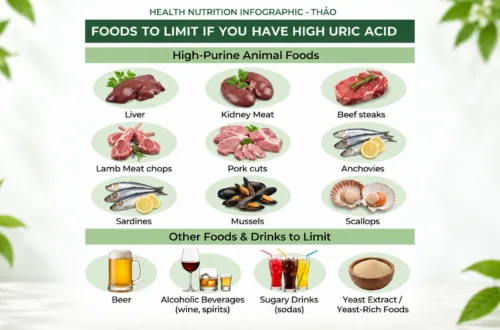
Understanding how certain foods impact your uric acid levels is crucial for preventing uncomfortable and often painful conditions like gout and kidney stones. Many of us are unaware that our daily dietary choices could be contributing to these health issues.
Uric acid is a natural waste product formed when your body breaks down purines, substances found in many foods. Normally, your kidneys filter out uric acid, which then passes out of your body in urine. However, if your body produces too much uric acid or your kidneys don’t excrete enough, it can build up, leading to hyperuricemia. This can result in uric acid crystals forming in joints (causing gout) or in the kidneys (leading to kidney stones).
The good news is that by making informed dietary choices, you can significantly influence your uric acid levels. This article will reveal six common foods that are known culprits for increasing uric acid and share a vital tip to help you manage your levels effectively.
Understanding Uric Acid: Why It Matters for Your Health
Before diving into specific foods, let’s briefly understand the role of uric acid. It’s an antioxidant and helps protect the lining of your blood vessels. However, too much of a good thing can be harmful. Elevated uric acid levels can not only trigger gout attacks, characterized by sudden, severe joint pain and inflammation, but also increase your risk of developing painful kidney stones.
While genetics and other health factors play a role, diet is a powerful and controllable tool in maintaining healthy uric acid levels. Being mindful of what you eat can be a proactive step towards long-term wellness.
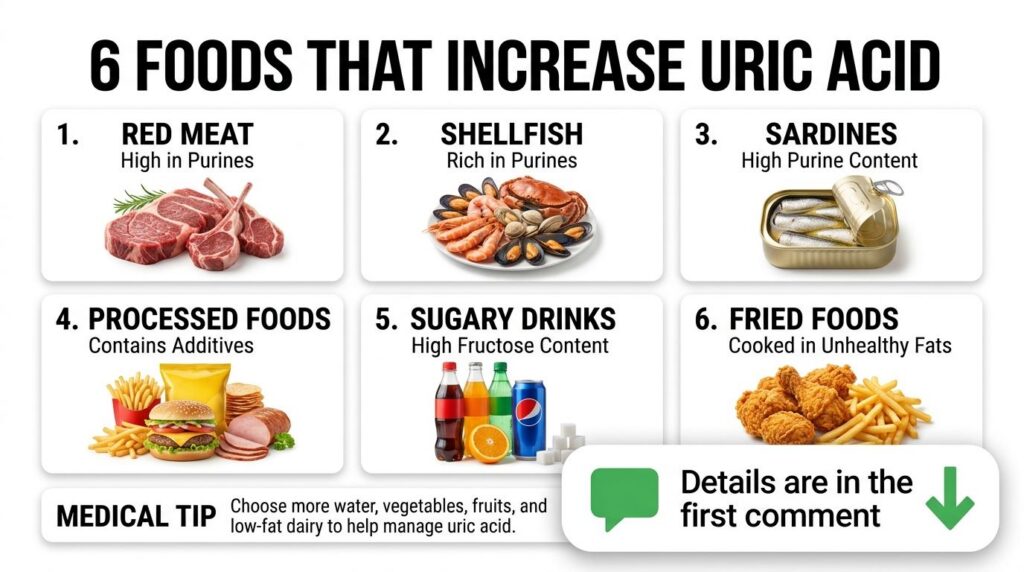
6 Foods That Can Spike Your Uric Acid Levels
Let’s explore the six food categories identified as major contributors to increased uric acid, often due to their high purine content or other metabolic effects.
1. Red Meat: The Purine Powerhouse
Red meats like beef, lamb, and pork are notorious for their high purine content. When your body metabolizes these purines, they are broken down into uric acid. Consuming red meat frequently, especially organ meats (like liver or kidney), can significantly elevate uric acid levels in the bloodstream. While red meat can be a good source of protein and iron, moderation is key for those concerned about gout or kidney stones.
2. Shellfish: A Seafood Suspect
Just like red meat, many types of shellfish are exceptionally rich in purines. This includes popular options such as shrimp, crab, lobster, mussels, and scallops. For individuals susceptible to high uric acid, indulging in large portions of shellfish can quickly lead to a spike. Enjoying these delicacies occasionally in small amounts is generally fine for most, but regular, heavy consumption can pose a risk.
3. Sardines: Small Fish, Big Impact
Sardines, while praised for their omega-3 fatty acids, are another food item high in purines. Although small, their concentrated purine content means they can contribute to elevated uric acid levels. Other small fish like anchovies and herring also fall into this category. If you’re managing uric acid, it’s wise to limit the intake of these particular types of fish.
4. Processed Foods: The Hidden Inflammatories
Processed foods often contain a myriad of additives, unhealthy fats, and refined sugars that can lead to systemic inflammation and impaired kidney function. When kidneys are not functioning optimally, their ability to excrete uric acid effectively is compromised, leading to a buildup. Examples include fast food, packaged snacks, deli meats, and sugary breakfast cereals. These foods don’t directly contain high purines but indirectly affect uric acid excretion.
5. Sugary Drinks: The Fructose Connection
It’s not just purine-rich foods that cause trouble. Sugary drinks, particularly those sweetened with high-fructose corn syrup, are significant contributors to elevated uric acid. Fructose, a type of sugar, accelerates purine metabolism, directly increasing uric acid production in the body. Sodas, fruit juices (even 100% fruit juice, due to its concentrated natural fructose), and energy drinks should be consumed sparingly, if at all, when aiming to manage uric acid.
6. Fried Foods: Fats and Kidney Function
Fried foods, often laden with trans fats and saturated fats, can promote inflammation throughout the body and negatively impact kidney health. Similar to processed foods, the resulting inflammation and stress on the kidneys can hinder their ability to filter and excrete uric acid efficiently. This includes common favorites like fried chicken, french fries, and many fast-food items. Opting for baked, grilled, or steamed alternatives is a healthier choice.
Your Best Defense: The Medical Tip for Managing Uric Acid
Beyond knowing what to limit, there’s a crucial, simple step you can take:
DRINK PLENTY OF WATER: Helps flush out excess uric acid from your body.
Water is your ally in maintaining healthy uric acid levels. Adequate hydration helps your kidneys function at their best, allowing them to efficiently filter and excrete uric acid through urine. When you’re dehydrated, your urine becomes more concentrated, and your kidneys may struggle to eliminate waste products effectively, potentially leading to a buildup of uric acid.
How to Ensure You Drink Enough Water:
- Keep a water bottle handy throughout the day.
- Set reminders to drink water at regular intervals.
- Incorporate water-rich fruits and vegetables into your diet.
- Choose water over sugary drinks or excessive caffeine.
- Adjust your intake based on activity level and climate.

Making Smart Dietary Choices: Beyond What to Avoid
While this article focuses on foods to limit, remember that a balanced diet rich in fruits, vegetables, whole grains, and lean proteins is fundamental for overall health. Consider incorporating more low-purine foods like:
- Low-fat dairy products
- Most fruits and vegetables
- Whole grains like oats and brown rice
- Nuts and legumes
- Lean poultry (in moderation)
These choices can support kidney function and provide essential nutrients without contributing to high uric acid levels. Focusing on a diverse, whole-foods diet is always beneficial.