Most people walk past sumac plants without a second thought, seeing them as little more than roadside greenery or a vibrant fall spectacle. What many don’t realize is that this common tree holds a surprising secret: its berries are a potent ingredient, long valued in traditional practices for their unique tangy flavor and potential to support overall wellness, particularly heart health. If you’ve ever felt like your wellness routine could use a simple, natural boost, or wished for a way to add bright, zesty notes to your cooking without relying on citrus, sumac offers an unexpected answer.
This is the part most people skip: understanding how to properly prepare and use sumac to unlock its full potential. Forget complex rituals; a simple infusion can be your gateway to a more vibrant kitchen and a step towards supporting your body’s natural functions.

What is Sumac?
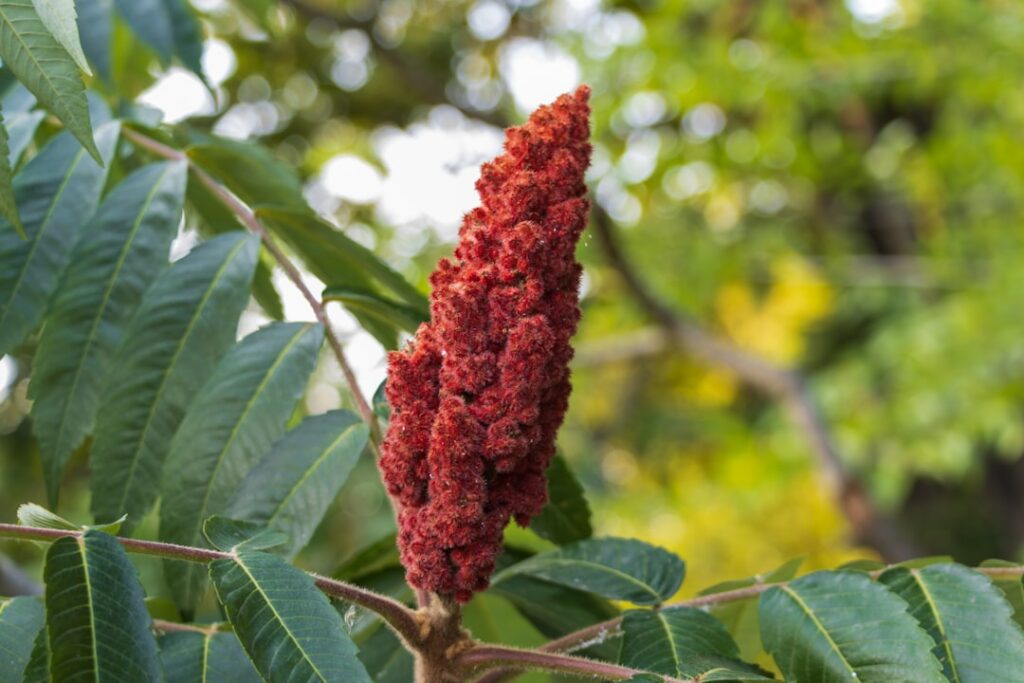
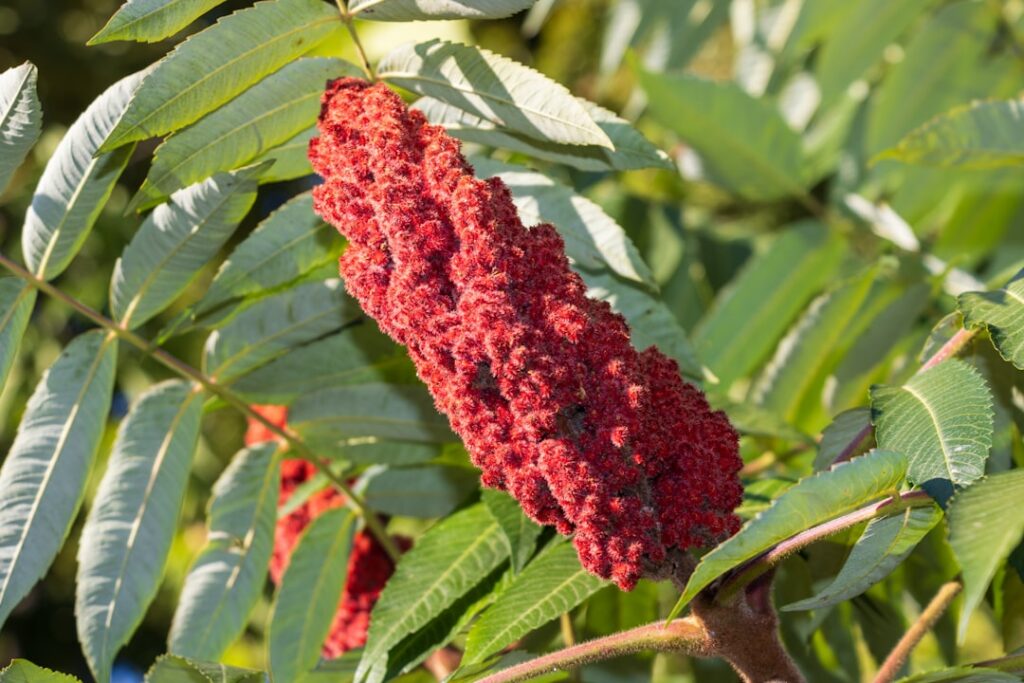
Sumac refers to the dried, ground berries of the Rhus coriaria plant, a shrub or small tree native to the Mediterranean and Middle East. It’s widely used as a spice in Middle Eastern cuisine, prized for its distinctive tart, slightly fruity flavor. Beyond the kitchen, sumac has a history in traditional remedies, particularly for its antioxidant properties and its reputed ability to support digestive health and cardiovascular well-being. Don’t confuse it with poison sumac (Toxicodendron vernix), which has white berries and grows in different regions. Culinary sumac is safe and beneficial.
Ingredients for a Sumac Infusion
- Ground Sumac Powder: 1-2 teaspoons
- Hot Water: 1 cup (just below boiling point, around 180-200°F or 82-93°C)
- Optional: A slice of lemon or a drizzle of honey for taste
Formula / Recipe: Simple Sumac Infusion
Making a sumac infusion is incredibly straightforward, allowing you to easily incorporate its benefits into your daily routine. This method ensures you extract the active compounds without over-extracting bitterness.
Step-by-Step Method
- Measure: Place 1 to 2 teaspoons of ground sumac powder into a mug or a heat-proof glass jar.
- Heat Water: Bring 1 cup of fresh water to a boil, then let it cool for about 30 seconds to a minute. This slightly reduced temperature helps preserve sumac’s delicate compounds.
- Infuse: Pour the hot water over the sumac powder.
- Steep: Stir gently, then let the sumac steep for 5-10 minutes. For a stronger flavor and more potent infusion, you can steep for up to 15 minutes, but avoid going much longer as it can become overly tart.
- Strain: Using a fine-mesh sieve or a coffee filter, strain the liquid into another cup to remove the sumac sediment.
- Serve: Enjoy your sumac infusion warm. You can add a squeeze of lemon or a small amount of honey if desired.
How to Use + Best Time to Take
The sumac infusion is best consumed on its own. For general wellness support, a good time to take it is in the morning or early afternoon. If you’re focusing on digestive support, consider having it about 30 minutes before a meal. Its slightly energizing, tangy flavor makes it a refreshing alternative to caffeinated beverages.
How Often to Use
For most individuals, consuming one cup of sumac infusion per day is a good starting point. You can increase to two cups if desired, but always listen to your body. Consistency is key when integrating any natural remedy into your routine.
Quick Tip: For a cooling summer drink, prepare the infusion, let it cool completely, and then chill it in the refrigerator. Serve over ice with a mint sprig!
How to Buy / How to Choose Ingredients
When purchasing sumac, always opt for high-quality, ground sumac powder from reputable spice merchants or organic stores. Look for a vibrant, reddish-brown color and a fresh, tangy aroma. Avoid sumac that looks dull, faded, or has an ‘off’ smell, as it may be old or improperly stored. Ensure it’s pure sumac without added salt or fillers, which are sometimes found in lower-quality blends.
If you have access to whole sumac berries, you can grind them yourself for the freshest flavor, though this requires a spice grinder and more effort to remove the seeds. Whole dried berries can also be steeped directly and then strained.
Sumac Forms: Whole vs. Ground
| Feature | Whole Dried Sumac Berries | Ground Sumac Powder |
|---|---|---|
| Preparation | Requires steeping and straining; can be rehydrated for culinary use. | Directly usable for infusions and cooking. |
| Flavor Intensity | Milder, more nuanced when steeped; can be stronger if crushed. | More potent and immediate tang. |
| Shelf Life | Longer when stored properly. | Shorter shelf life once ground, as volatile compounds diminish. |
| Best Use For | Infusions, rehydrating for marinades, spice blends. | Quick infusions, seasoning, rubs, garnishes. |
Storage
Store ground sumac powder in an airtight container in a cool, dark place, away from direct sunlight and heat. Properly stored, it should retain its potency for 6-12 months. Whole sumac berries will last longer, typically up to two years. Once prepared, sumac infusion can be refrigerated for up to 24-48 hours, though it’s best enjoyed fresh.
Practical Tips
- Bloom it: Some chefs recommend 𠇋looming” sumac in a small amount of hot oil for a few seconds before adding it to dishes to enhance its flavor. This isn’t necessary for infusions, but great for cooking.
- Adjust to Taste: Sumac’s tartness can vary. Start with 1 teaspoon for a milder infusion and increase if you prefer a stronger, tangier drink.
- Culinary Uses: Don’t limit sumac to just infusions! Sprinkle it on salads, hummus, roasted vegetables, grilled meats, or even popcorn for a delicious citrusy kick.
Common Mistakes
- Boiling too long: Do not boil sumac powder directly in water for extended periods, as this can destroy delicate flavors and potentially make the infusion overly bitter. Always steep after heating.
- Using too much: While sumac is generally safe, using an excessive amount can result in an unpleasantly strong and overly tart taste. Stick to the recommended measurements.
- Not straining properly: Ground sumac can leave a gritty residue. Ensure you use a fine-mesh sieve or coffee filter for a smooth drink.
- Confusing with poison sumac: Always be certain you are using culinary sumac (Rhus coriaria) and not poison sumac (Toxicodendron vernix). They are distinct plants.
Cautions / Who Should Avoid It
Sumac is generally considered safe for most people when consumed in moderate culinary amounts. However, individuals with allergies to cashews, mangoes, or pistachios (plants in the Anacardiaceae family, like sumac) should exercise caution, as they might be allergic to sumac as well. Pregnant or breastfeeding women, and individuals with pre-existing health conditions or those taking medications, should consult a healthcare professional before adding sumac to their daily regimen, especially in concentrated forms.
Quick Summary
Sumac offers a simple, tangy way to support your wellness. Its best preparation for internal use is a warm infusion, made by steeping 1-2 teaspoons of ground sumac in hot water for 5-10 minutes, then straining. Store sumac in an airtight container away from heat and light. Use it daily in the morning or before meals. Avoid prolonged boiling and ensure proper straining for the best results. Always confirm you are using culinary sumac.
FAQ
- Can I use fresh sumac berries for this? Yes, fresh sumac berries can be gently crushed and steeped in hot water, then strained. However, ground dried sumac is more commonly available and easier to use.
- How long does sumac infusion last? It’s best consumed fresh. You can refrigerate leftovers for up to 24-48 hours, but the flavor and potency might diminish.
- Can I reuse the sumac powder after steeping? No, for best results, use fresh sumac powder for each infusion. The beneficial compounds are largely extracted during the first steep.
- Is sumac safe for everyday use? In moderate amounts, sumac is generally considered safe for daily culinary use. For concentrated remedies, consult a healthcare professional.
- What’s the difference between sumac for cooking and sumac for tea? It’s the same ingredient! Ground sumac powder can be used for both culinary purposes and making infusions.
- Can sumac interact with medications? While generally safe, if you are on any medications, particularly those for blood pressure or blood sugar, it’s wise to consult your doctor before regular consumption.
- Does sumac contain caffeine? No, sumac is naturally caffeine-free.
- Can I add other herbs to my sumac infusion? Absolutely! Sumac pairs well with ginger, mint, or a slice of orange for added flavor and benefits.
Conclusion
Sumac, often overlooked, is a simple yet powerful ingredient with a rich history in both culinary and traditional wellness practices. By understanding how to properly prepare a sumac infusion, you can easily tap into its tangy flavor and potential health benefits, particularly in supporting cardiovascular health and digestion. Integrate this unassuming berry into your routine and discover the surprising zest it brings to your wellness journey.
Read more: The Benefits of Dandelion Tea for Digestion
Continue with: Homemade Herbal Vinegars for Flavor and Health