Managing diabetes effectively doesn’t mean you have to sacrifice the joy of eating delicious food. In fact, a balanced, nutrient-rich diet is a cornerstone of successful diabetes management, helping to stabilize blood sugar levels, improve overall health, and boost your energy. The key lies in making smart, informed choices that empower your body rather than restrict it.
Many whole, unprocessed foods are not only incredibly tasty but also packed with nutrients that support healthy blood sugar control and reduce the risk of diabetes-related complications. Let’s explore some of these fantastic foods that can become your allies on your wellness journey.
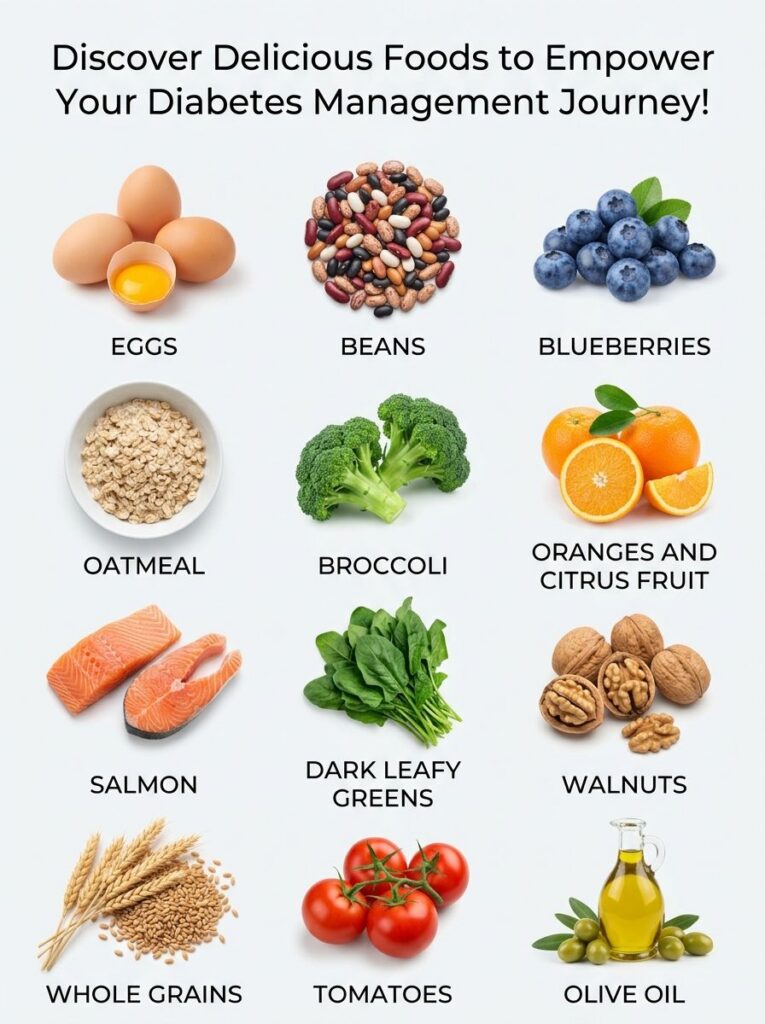
Power-Packed Foods for Diabetes Management
1. Eggs: The Versatile Protein Source
Eggs are a fantastic food choice for people managing diabetes. They are low in carbohydrates, high in protein, and rich in essential vitamins and minerals. The protein content helps you feel full and satisfied, reducing the likelihood of overeating and assisting with weight management, which is crucial for blood sugar control. Studies have shown that regular egg consumption can improve fasting blood sugar and insulin sensitivity.
- Why they’re great: High protein, low carb, promote satiety.
- How to enjoy: Scrambled, boiled, poached, or as an omelet with plenty of vegetables.
2. Beans & Legumes: Fiber Superstars
From black beans to lentils, chickpeas to kidney beans, these legumes are nutritional powerhouses. They are loaded with soluble fiber, which helps slow down glucose absorption, preventing sharp spikes in blood sugar after meals. They also provide plant-based protein, helping to manage appetite and support muscle health.
- Why they’re great: High in fiber and protein, low glycemic index.
- How to enjoy: Add to soups, salads, stews, or make homemade bean burgers.
3. Blueberries & Other Berries: Antioxidant Rich
Berries like blueberries, strawberries, raspberries, and blackberries are bursting with flavor and antioxidants. They are lower in sugar compared to many other fruits and high in fiber, making them a smart choice for a sweet treat. Their anthocyanins may also improve insulin sensitivity.
- Why they’re great: High in antioxidants and fiber, relatively low sugar.
- How to enjoy: In oatmeal, yogurt, smoothies, or as a stand-alone snack.
4. Oatmeal (Whole Grains): Sustained Energy
When prepared correctly (without added sugars), oatmeal made from whole, rolled oats is a fantastic breakfast option. Its high soluble fiber content, particularly beta-glucan, helps to slow digestion and the release of glucose into the bloodstream, contributing to stable blood sugar levels throughout the morning.
- Why they’re great: Soluble fiber, sustained energy, heart healthy.
- How to enjoy: With berries, nuts, and a sprinkle of cinnamon.
5. Broccoli & Other Cruciferous Vegetables: Nutrient-Dense Greens
Broccoli, cauliflower, kale, and Brussels sprouts are non-starchy vegetables that are incredibly low in calories and carbohydrates but packed with vitamins, minerals, and fiber. They contain compounds like sulforaphane, which may help protect against blood vessel damage often associated with diabetes.
- Why they’re great: Low carb, high fiber, rich in vitamins and protective compounds.
- How to enjoy: Steamed, roasted, or added to stir-fries and salads.
6. Oranges & Citrus Fruit: Vitamin C Boost
Citrus fruits like oranges, grapefruits, lemons, and limes are good sources of Vitamin C and fiber. While they contain natural sugars, their fiber content helps to mitigate the impact on blood glucose. Remember to consume the whole fruit rather than just the juice to get the full fiber benefits.
- Why they’re great: Vitamin C, fiber, hydrating.
- How to enjoy: As a whole fruit snack, or adding zest/juice to meals.
7. Salmon & Fatty Fish: Omega-3 Powerhouses
Fatty fish like salmon, mackerel, sardines, and tuna are excellent sources of omega-3 fatty acids, particularly EPA and DHA. These healthy fats are known for their anti-inflammatory properties and can significantly improve heart health, which is crucial for individuals with diabetes, who often have an increased risk of cardiovascular disease.
- Why they’re great: Omega-3s, high protein, anti-inflammatory.
- How to enjoy: Baked, grilled, or pan-seared with herbs and vegetables.
8. Dark Leafy Greens: Nutritional Giants
Spinach, kale, collard greens, and Swiss chard are incredibly nutrient-dense. They are very low in carbohydrates and calories but rich in vitamins K, A, and C, as well as minerals like iron and magnesium. Magnesium, in particular, plays a role in insulin sensitivity.
- Why they’re great: Very low carb, high in vitamins and minerals, supports insulin sensitivity.
- How to enjoy: In salads, smoothies, stir-fries, or lightly sautéed.
9. Walnuts & Nuts: Healthy Fats and Fiber
Walnuts, almonds, pecans, and other nuts are excellent sources of healthy fats, protein, and fiber. Their unique combination helps to slow digestion and prevent blood sugar spikes, while their healthy fats contribute to heart health and satiety. Be mindful of portion sizes due to their calorie density.
- Why they’re great: Healthy fats, protein, fiber, reduce hunger.
- How to enjoy: As a snack, sprinkled on salads or oatmeal.
10. Whole Grains (Beyond Oatmeal): Complex Carbs for Control
Beyond oatmeal, incorporating other whole grains like quinoa, brown rice, barley, and whole-wheat bread can significantly benefit diabetes management. Unlike refined grains, whole grains retain their fiber, vitamins, and minerals, leading to a slower and more gradual rise in blood sugar.
- Why they’re great: Complex carbohydrates, high fiber, sustained energy.
- How to enjoy: As a side dish, in salads, or as a base for meals.
11. Tomatoes: Lycopene-Rich Goodness
Tomatoes are a fantastic non-starchy vegetable that can be enjoyed in various ways. They are low in carbohydrates and calories, packed with vitamins C and E, and a powerful antioxidant called lycopene. Lycopene may help reduce the risk of heart disease, a common concern for people with diabetes.
- Why they’re great: Low carb, rich in vitamins and lycopene.
- How to enjoy: In salads, sauces, soups, or as a fresh snack.
12. Olive Oil: The Heart-Healthy Fat
Extra virgin olive oil is a cornerstone of the Mediterranean diet and a beneficial fat for diabetes management. It’s rich in monounsaturated fats, which are known to improve heart health and may help improve insulin sensitivity. It also has anti-inflammatory properties.
- Why they’re great: Healthy monounsaturated fats, anti-inflammatory, heart-protective.
- How to enjoy: As a salad dressing, for light sautéing, or drizzled over vegetables.
Embrace a Flavorful Path to Wellness
Incorporating these delicious and nutritious foods into your daily meal plan is a positive step towards empowering your diabetes management journey. Remember that portion control, balanced meals, and consistent physical activity also play vital roles. Always consult with your healthcare provider or a registered dietitian to tailor a meal plan that best suits your individual needs and health goals.
By making conscious, wholesome food choices, you can enjoy vibrant flavors while effectively managing your blood sugar and fostering a healthier, more energetic you!