Parasites are often silent invaders, quietly impacting our well-being and frequently mimicking common ailments, making them difficult to identify. From persistent stomach pain to unexplained fatigue or nutrient deficiencies, the subtle signs of a parasitic infection can be easily overlooked. However, understanding these potential warning signs and adopting simple preventive measures can empower you to protect your health.
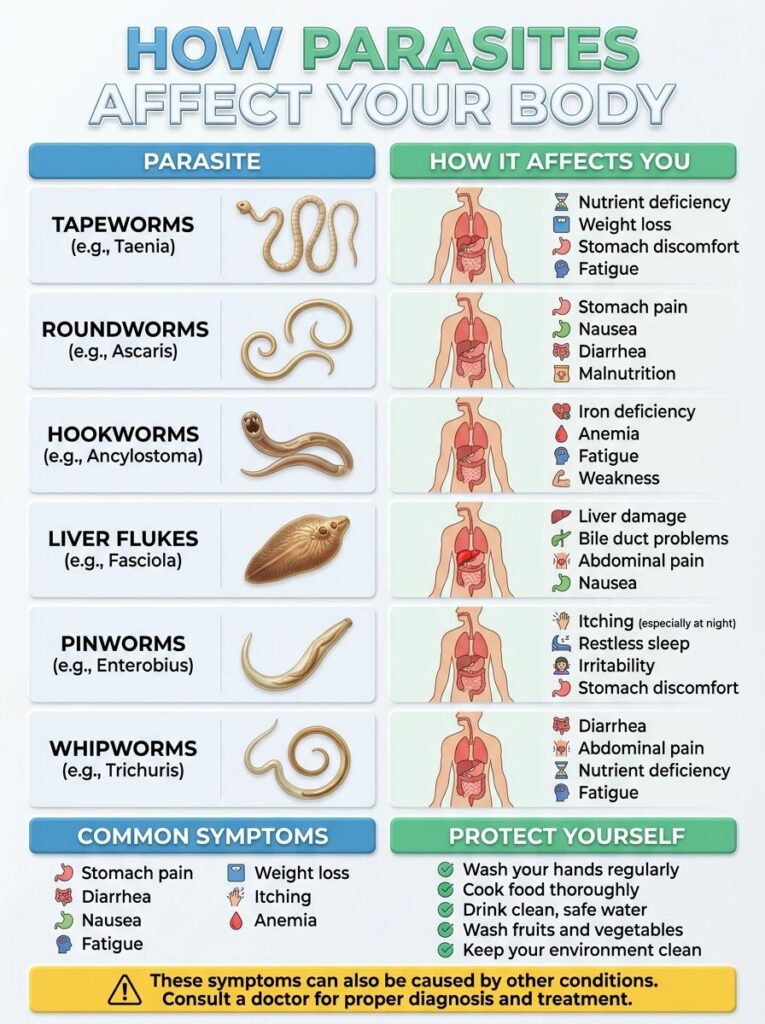
Understanding the Silent Threat: What Are Parasites?
Parasites are organisms that live on or in a host organism and get their food from or at the expense of their host. While often associated with tropical regions, parasitic infections can occur anywhere, and their impact on human health can range from mild discomfort to severe, chronic conditions. They can affect various parts of the body, including the digestive system, liver, muscles, and even the brain.
Common Types of Parasites and Their Impact
A wide array of parasites can affect humans, each with its own unique way of infiltrating and impacting the body. Some common examples include:
- Tapeworms: Long, ribbon-like worms that can live in the intestines, often leading to nutrient malabsorption and digestive issues.
- Roundworms (e.g., Ascaris): These can grow quite large and cause abdominal pain, blockages, and respiratory symptoms if they migrate to the lungs.
- Hookworms: Attach to the lining of the small intestine, feeding on blood and causing iron-deficiency anemia, fatigue, and abdominal pain.
- Liver Flukes: Flat, leaf-shaped worms that can infect the liver and bile ducts, leading to inflammation and damage.
- Pinworms: Small, white worms common in children, causing anal itching, especially at night.
- Whipworms: Reside in the large intestine and can cause painful bowel movements, anemia, and growth issues in children.
Each type can disrupt normal bodily functions, leading to a cascade of health issues.
Recognizing the Signs: Symptoms of Parasitic Infections
One of the biggest challenges with parasitic infections is that their symptoms can be vague and often mimic those of other common conditions, making diagnosis difficult without medical testing. However, being aware of potential indicators can prompt you to seek professional help sooner. Common symptoms to watch for include:
- Persistent stomach pain, cramping, or tenderness
- Diarrhea, constipation, or alternating bowel habits
- Bloating and excessive gas
- Unexplained fatigue and low energy levels
- Weight loss despite normal eating habits, or difficulty gaining weight
- Nutrient deficiencies, such as iron-deficiency anemia
- Itching around the anus or vagina, especially at night (common with pinworms)
- Skin rashes, hives, or eczema without an obvious cause
- Muscle and joint pain
- Sleep disturbances or restlessness
- Irritability or mood changes
It’s crucial to remember that these symptoms can stem from many different conditions. If you experience persistent or severe symptoms, always consult a healthcare professional for proper diagnosis.
Empowering Prevention: Simple Steps to Protect Yourself
Fortunately, many parasitic infections are preventable with simple, consistent hygiene and food safety practices. Adopting these habits can significantly reduce your risk:
- Wash Your Hands Regularly: This is perhaps the most critical step. Wash your hands thoroughly with soap and water before handling food, after using the restroom, and after contact with animals or soil.
- Cook Food Thoroughly: Ensure all meats, poultry, and fish are cooked to their safe internal temperatures to kill any potential parasites.
- Drink Clean, Safe Water: Avoid drinking untreated water from lakes, rivers, or streams. When traveling, opt for bottled or boiled water.
- Wash Fruits and Vegetables: Thoroughly wash all produce, especially if you plan to eat it raw, to remove any contaminants.
- Maintain Good Hygiene: Practice good personal hygiene, including regular bathing and keeping fingernails short and clean. Avoid walking barefoot in areas where parasites might be present.
- Practice Safe Travel Habits: Be mindful of food and water sources when traveling to areas where parasitic infections are more common.
When to Seek Professional Help
While awareness and prevention are powerful tools, self-diagnosis and self-treatment of parasitic infections are not recommended. If you suspect you may have a parasitic infection due to persistent or severe symptoms, it is essential to consult a healthcare professional. They can conduct appropriate tests, provide an accurate diagnosis, and recommend the most effective treatment plan.
By staying informed and proactive, you can take significant steps toward protecting yourself and your family from these silent invaders. Were you aware that parasites can sometimes cause these symptoms? Share your thoughts below!