Could a common kitchen staple be your secret to a more radiant complexion? Many are exploring surprising natural ingredients for their beauty routines, often looking for simple, accessible solutions. The idea of using something as everyday as baking soda for skin concerns like dark spots, wrinkles, and under-eye circles has certainly captured a lot of attention, sparking curiosity in the natural beauty community.
The Rise of Natural Remedies in Skincare
In an age where we’re increasingly mindful of what we put into our bodies, it’s natural to extend that philosophy to what we put on our bodies. This shift has led to a fascinating exploration of natural ingredients, from herbal extracts to pantry staples, for various wellness and beauty purposes. Baking soda, scientifically known as sodium bicarbonate, is no exception.
What’s the Buzz About Baking Soda for Your Skin?
Advocates for using baking soda in skincare often point to its slightly abrasive texture and alkaline nature. It’s sometimes suggested that these properties could offer benefits such as:
-
Gentle Exfoliation
Some believe that its fine颗粒 structure may provide a mild physical exfoliation, helping to slough away dead skin cells and reveal brighter-looking skin. This potential action could be why it’s considered for improving skin texture.
-
Appearance of Dark Spots
Through exfoliation, some natural beauty enthusiasts suggest that regular, careful use might help to diminish the visible appearance of dark spots over time, promoting a more even-toned complexion. However, this is largely anecdotal.
-
Softening the Look of Wrinkles
While baking soda cannot reverse wrinkles, the general belief is that improved skin texture from exfoliation could make the skin appear smoother, thus potentially softening the look of fine lines and wrinkles indirectly.
-
Addressing Under-Eye Circles
Some natural beauty tips propose that a very diluted application might help with the appearance of under-eye circles by potentially reducing puffiness, though caution is paramount in this delicate area.
Important Considerations and Cautions for Skin Application
While the idea of a simple, natural remedy is appealing, it’s crucial to approach baking soda for skin with caution. Baking soda is alkaline, with a pH level significantly higher than the natural pH of healthy skin, which is typically acidic (around 4.5-5.5). Disrupting your skin’s natural pH balance can:
- Compromise your skin’s protective barrier.
- Lead to dryness, irritation, redness, or increased sensitivity.
- Potentially worsen existing skin conditions.
Therefore, if you’re considering trying baking soda for your skin, it is absolutely essential to:
- Consult a Healthcare Professional: Always speak with a dermatologist or healthcare provider before introducing new, unconventional ingredients into your skincare routine, especially if you have sensitive skin or specific skin concerns.
- Perform a Patch Test: Before applying baking soda to your face, test a small, inconspicuous area of your skin (like behind your ear or on your inner forearm) and wait 24-48 hours to check for any adverse reactions.
- Use Very Sparingly and Diluted: If you proceed, use a very small amount, highly diluted with water or another gentle ingredient, and for a very short contact time. Less is definitely more.
- Avoid Delicate Areas: Be extremely careful around sensitive areas like the eyes.
Exploring Natural Additions: Rosemary and Mint
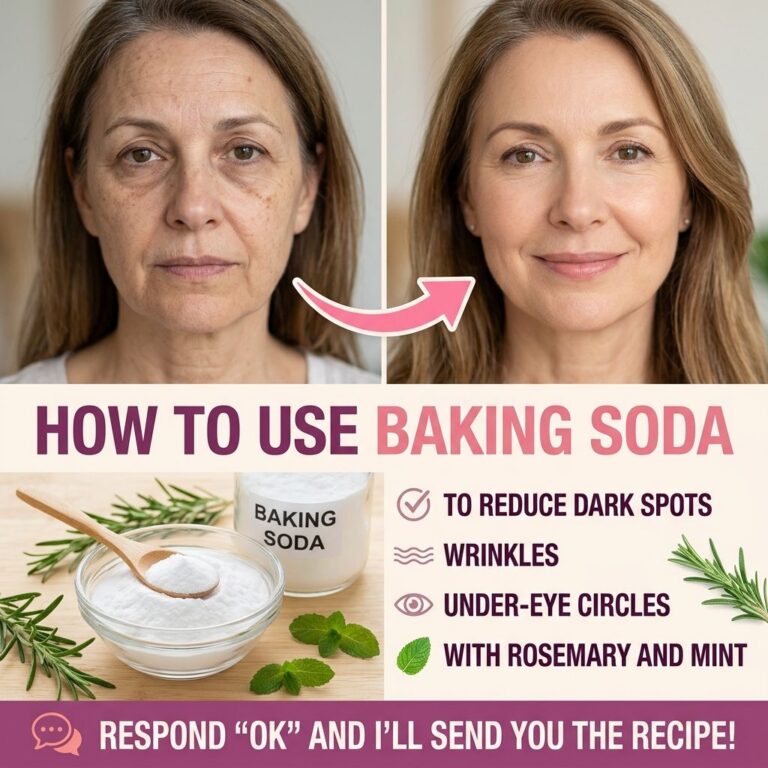
The image often associated with baking soda beauty tips also features rosemary and mint. These herbs are renowned for their refreshing aromas and have their own traditional uses in wellness and natural beauty:
- Rosemary: Often valued for its invigorating scent and antioxidant properties, rosemary extracts are sometimes found in products aiming to support skin vitality.
- Mint: Known for its cooling and soothing sensation, mint is frequently used in skincare for its refreshing feel and potential to calm the skin.
When combined with other natural ingredients, these herbs may offer additional sensory and purported benefits, enhancing the overall experience of a DIY remedy. However, their use alongside baking soda should still follow the same strict precautions regarding dilution and patch testing.

A Holistic Approach to Radiant Skin
While exploring natural remedies can be an exciting part of your wellness journey, true skin radiance often comes from a holistic approach. This includes:
- A balanced diet rich in fruits, vegetables, and healthy fats.
- Adequate hydration throughout the day.
- Consistent sun protection with a broad-spectrum SPF.
- A gentle, consistent skincare routine tailored to your skin type.
- Sufficient sleep and stress management.
Final Thoughts
The world of natural beauty is full of intriguing possibilities, and baking soda is certainly a trending topic. While some anecdotal reports suggest benefits for dark spots, wrinkles, and under-eye circles, it’s vital to proceed with extreme caution and prioritize your skin’s health. Always remember that what works for one person may not work for another, and professional medical advice is invaluable when it comes to skin concerns.
Curiosity is a wonderful thing, but safety and education should always be your top priorities on your natural wellness journey!