Companion planting is one of the most approachable ways to make a vegetable garden more productive and balanced. The idea is simple: certain plants grow well when they are placed near one another, while others are better kept apart. Whether you are working with a small raised bed, a few containers on a balcony, or a larger plot in the backyard, understanding these partnerships can help you plan with more confidence.
What Is Companion Planting?
Companion planting is the practice of growing different plants together so they can support each other. Gardeners often describe these relationships in terms of shared space, soil use, pest control, and pollinator attraction. Some pairings work because plants have different root depths, so they do not compete as strongly for nutrients. Others work because aromatic herbs or flowering plants can attract helpful insects to the garden.
Common Vegetable Pairings to Explore
Traditional gardening wisdom offers many examples worth trying. Keep in mind that results vary with climate, soil, and local conditions, so treat these as starting points rather than strict rules.
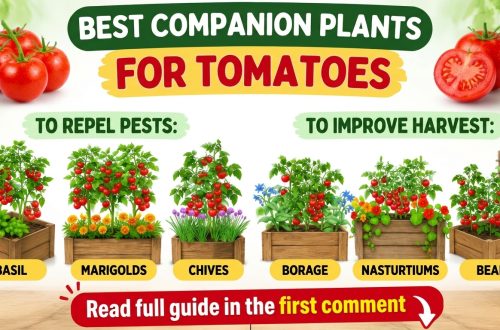
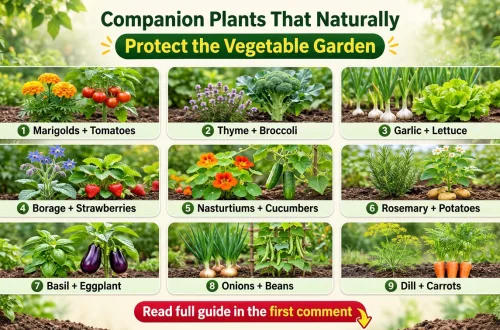
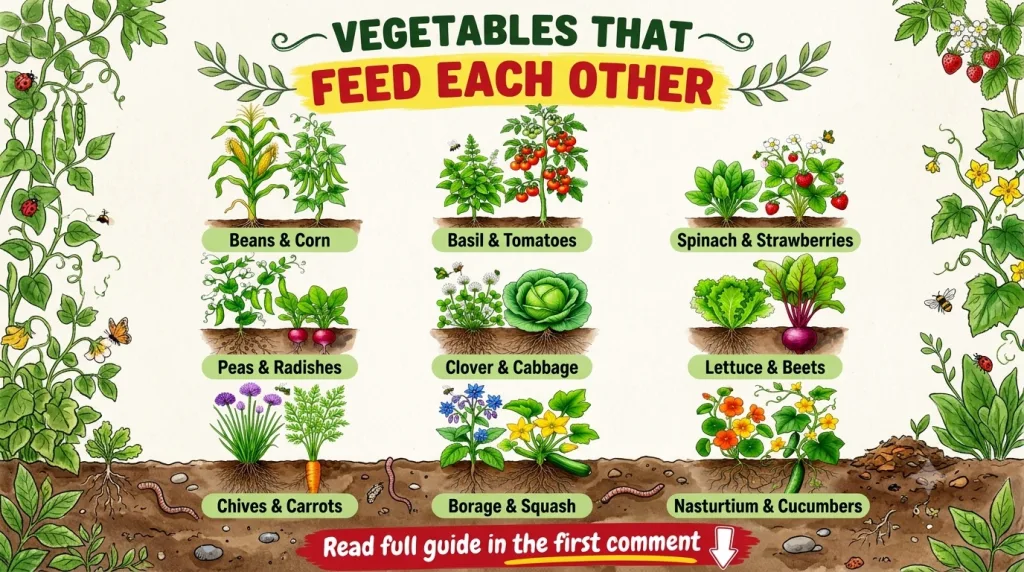
- Tomatoes and basil: Many gardeners grow these side by side in summer, enjoying the convenience of fresh herbs while the basil adds pleasant fragrance to the bed.
- Beans and carrots: Beans add nitrogen to the soil through their roots, and carrots occupy a different growing space below ground, making them a practical pair for a shared bed.
- Marigolds near vegetables: Marigolds are often planted among vegetables to add color and attract beneficial insects, which can help with a balanced garden ecosystem.
- Borage and strawberries: Borage produces blue flowers that draw pollinators, which may support fruiting plants nearby.
Why Pollinators Matter in Companion Planting
Many vegetables depend on bees and other pollinators to set fruit. Flowering herbs and companion blooms such as clover, borage, and calendula can invite these helpful visitors into the garden. A garden that welcomes pollinators often feels lively and alive, and it can contribute to a healthier growing environment throughout the season.
Planning Your Companion Garden Step by Step
- Sketch your space first. A simple drawing of your beds or containers helps you see where each plant will go and how much room it needs.
- Group plants by growing needs. Place plants with similar water and sunlight requirements together so care becomes easier.
- Leave room for growth. Crowded plants may compete for light and air, so check spacing guidelines on your seed packets or plant labels.
- Rotate crops each season. Moving vegetables to different spots helps reduce soil imbalances and lowers the chance of recurring problems.
- Observe and adjust. Every garden is unique, so take notes on what thrives and what struggles, then adapt your plan next year.
Tips for Success with Organic Methods
Companion planting fits naturally with organic gardening because it relies on plant relationships instead of harsh inputs. Healthy compost, mulch, and consistent watering build a strong foundation. Inspect your plants regularly so you can spot pests early and address them gently, such as by hand-picking insects or using a strong spray of water.
A thoughtfully planned garden is less about perfect rules and more about observing how plants live together.
Bringing It All Together
Companion planting invites you to see your vegetable garden as a connected community rather than a row of isolated plants. Start with one or two pairings that interest you, watch how they develop over a season, and build from there. With patience and curiosity, you can create a garden that is productive, colorful, and rewarding to tend. Happy growing!