Pests are one of the most common frustrations for vegetable gardeners. Aphids cluster on new growth, cabbage worms chew through leaves, and slugs seem to appear overnight. The good news is that many gardeners find success with a gentle, natural approach called companion planting. By placing certain plants side by side, you can encourage balance in your garden and make it a less inviting place for some pests.
What Is Companion Planting?
Companion planting is the practice of growing different plants close together so they support one another. Some combinations may help by attracting beneficial insects, confusing pests with strong scents, or providing shade and ground cover. Results vary from garden to garden, so think of companion planting as one useful tool within a healthy, well-maintained garden rather than a complete solution.
Popular Companion Plant Pairs to Try
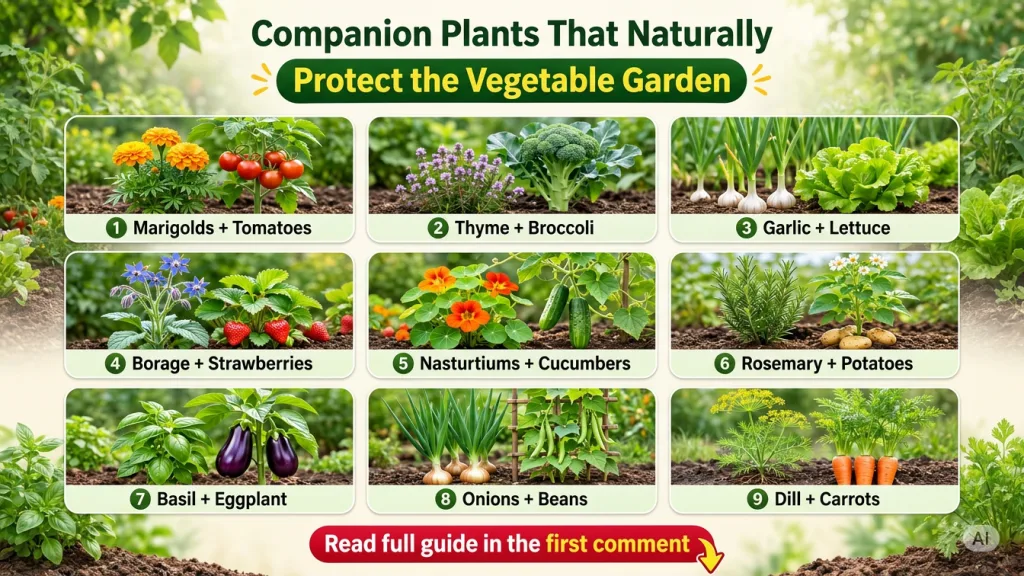
The infographic highlights several pairings that gardeners often explore. Here are some of the most widely discussed combinations:
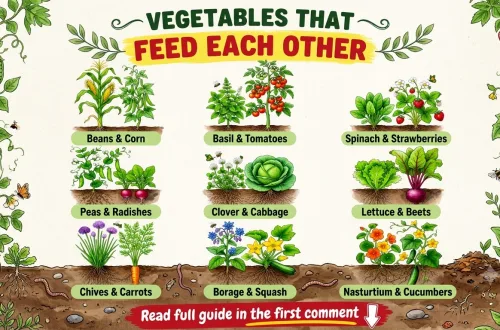
- Tomatoes and basil: Many gardeners plant basil near tomatoes, enjoying the herb in the kitchen while giving the bed a fragrant mix of plants.
- Marigolds and vegetables: Marigolds are a cheerful addition to vegetable beds and are often planted along edges to attract beneficial insects.
- Garlic and lettuce: Garlic is a compact, low-maintenance neighbor for leafy greens, and the two use garden space efficiently.
- Carrots and onions: Alternating these root crops and alliums is a classic way to make use of small beds.
- Beans and corn: Tall corn provides a natural support structure for climbing beans in many traditional garden layouts.
How to Plan Your Companion Garden
A little planning goes a long way. Consider these steps before you plant:
- Sketch your bed and note sunlight, drainage, and the mature size of each plant.
- Group plants with similar water and sunlight needs together.
- Keep tall plants from shading shorter, sun-loving neighbors.
- Leave room for airflow between plants to reduce the risk of fungal problems.
- Rotate crops each season to help protect soil health.
Simple Habits That Support Natural Pest Control
Companion planting works best alongside other organic practices. Regular inspection is one of the most effective habits: check the undersides of leaves every few days and remove pests by hand when you spot them. Healthy soil rich in compost helps plants stay strong. Водa and mulch also reduce stress on plants, and a diverse garden often supports more beneficial insects, such as ladybugs and lacewings.
Common Mistakes to Avoid
- Expecting one plant pairing to solve every pest problem.
- Overcrowding beds, which can trap humidity and encourage disease.
- Ignoring the mature size of plants, which leads to competition for light and nutrients.
- Relying on harsh chemicals when gentle, organic methods may be enough.
Start Small and Observe
You do not need a large garden to begin. Choose one bed, try two or three pairings, and keep a simple journal noting what you planted, where, and how the plants performed. Over time, you will learn which combinations suit your climate, soil, and local pests best. Enjoy the process of watching your garden grow into a more balanced and resilient space.