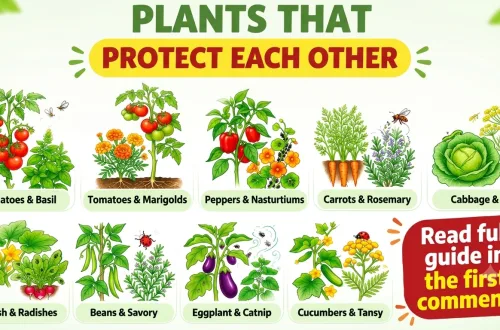
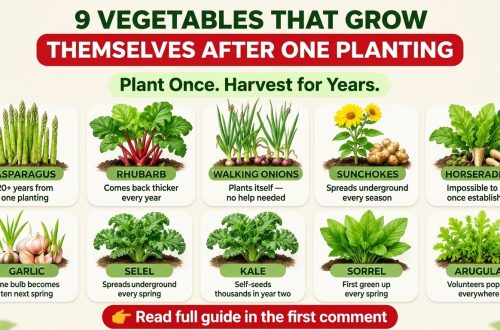
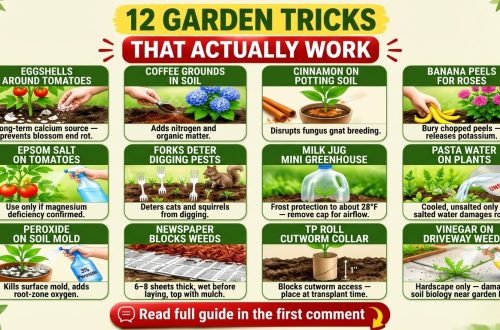
Most home gardens start with the familiar favorites like tomatoes, lettuce, carrots, and zucchini. If you are ready to try something different, a handful of unusual vegetables can add color, flavor, and surprise to your beds and containers. Many of these plants are easier to grow than they look once you understand what they need.
Root and Stem Crops Worth Trying
Root and stem vegetables are often overlooked, yet several of them are reliable choices for home growers.
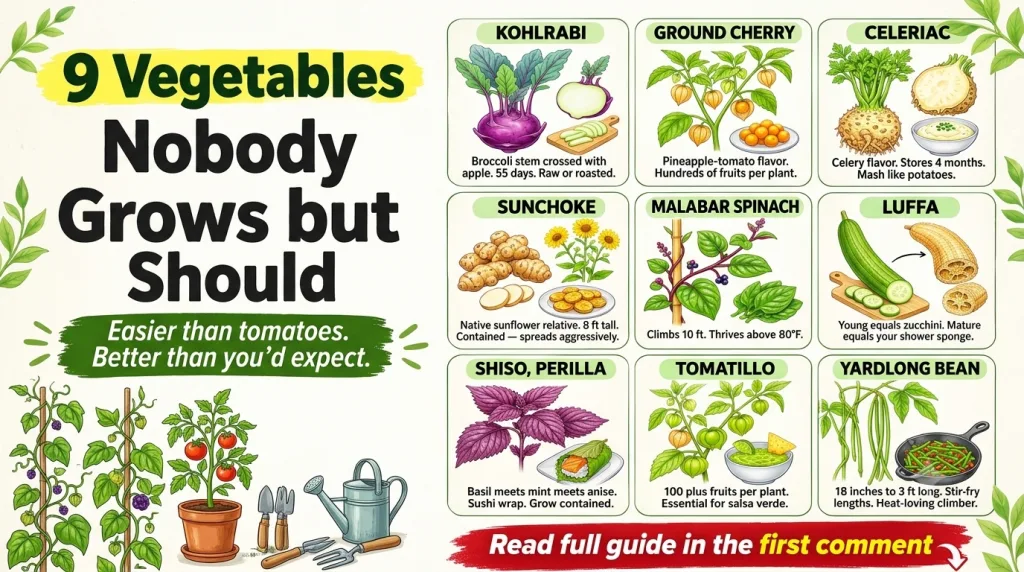
Kohlrabi
Kohlrabi produces a swollen, round stem above the soil with a mild, slightly sweet flavor. It grows best in cool weather and is typically harvested when it is about the size of a tennis ball, since smaller globes tend to be more tender.
Celeriac
Celeriac, also called celery root, is grown for its knobby, edible base rather than its stalks. It needs a long, cool growing season and consistent moisture, so plant it early enough to mature before the heat of summer arrives.
Sunchoke
Sunchokes, or Jerusalem artichokes, are perennial tubers that produce tall sunflower-like blooms. They spread vigorously, so many gardeners grow them in a dedicated corner or large container to keep them under control.
Leafy, Climbing, and Aromatic Plants
This group adds texture and visual interest to the garden while offering fresh greens and herbs for the kitchen.
Malabar Spinach
Malabar spinach is a heat-loving climber with thick, glossy leaves that hold up well in warm weather when traditional spinach tends to bolt. It is a good choice for trellises and sunny fences.
Shiso
Shiso, sometimes called perilla, has fragrant leaves with flavors that range from mint-like to spicy. It grows easily from seed and can be harvested often to encourage bushy, healthy growth.
Yardlong Bean
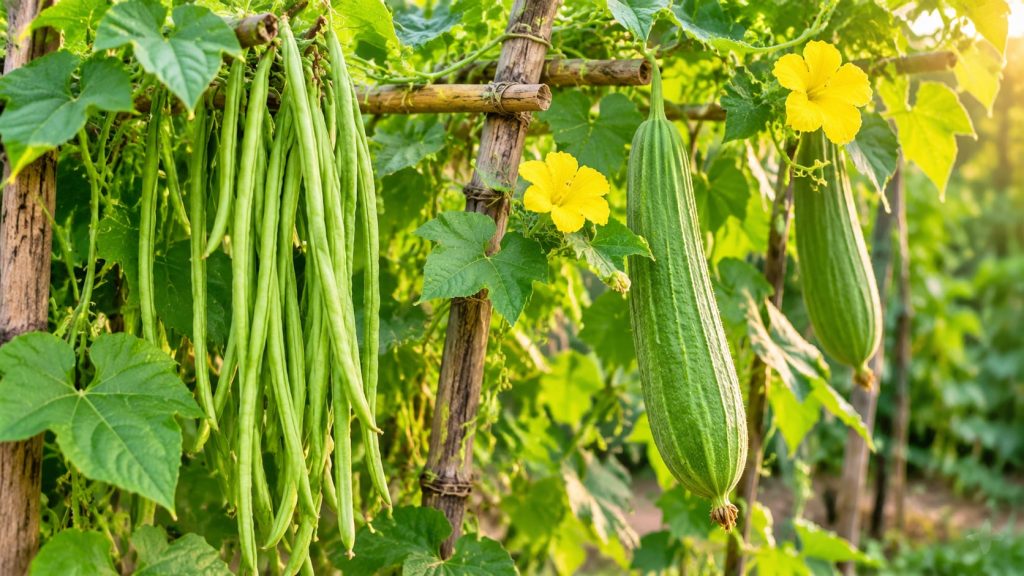
Yardlong beans produce slender pods that can reach impressive lengths. They climb readily and appreciate warm temperatures, making them a fun addition to a vertical garden.
Luffa
Luffa is a vigorous vine that produces long gourds. If you let the fruit mature fully on the vine, the interior fibers can be dried and used for household sponges or crafts, while young fruits can be eaten when tender.
Fruiting Specialties for Adventurous Gardeners
Ground Cherry
Ground cherries grow inside papery husks and ripen to a sweet, tropical-tasting fruit. Once the husks turn tan and drop to the ground, the fruit is usually ready to pick.
Tomatillo
Tomatillos produce tangy green or purple fruits wrapped in paper-like husks. They are a classic ingredient in fresh salsas, and most plants perform better when more than one is grown for pollination.
Practical Tips for Growing Unusual Vegetables
- Start with a small bed or container so you can learn each plant’s habits without overwhelming your space.
- Check seed packets for days to maturity and your local frost dates before planting.
- Use well-draining soil enriched with compost, since most of these crops respond well to healthy, living soil.
- Water consistently, especially for root crops and young transplants.
- Keep a simple garden journal to track what thrives in your climate and what you would like to grow again.
Final Thoughts
Unusual vegetables can make your garden more interesting, more productive, and more rewarding to care for. Begin with one or two varieties that spark your curiosity, observe how they grow, and expand from there. Every new crop you try is a chance to learn something new about your garden and your kitchen.