Mastering your plate starts with understanding the basics! Building a healthy, balanced diet can feel like a complex puzzle, but at its core, it’s about understanding and incorporating the five essential food groups. Each group plays a unique and vital role in providing the nutrients your body needs to thrive. Let’s break down these foundational groups to help you make informed choices for your wellness journey.

Understanding the Building Blocks of a Healthy Plate
The five food groups are categories of foods that share similar nutritional properties. The key to a balanced diet is to consume a variety of foods from all these groups in appropriate proportions.
1. Fruits
Fruits are natural powerhouses of vitamins, minerals, and fiber. They are also rich in antioxidants, which may help protect your body’s cells from damage. From apples and bananas to berries and citrus, there’s a vast array of delicious options to choose from.
- Key Nutrients: Vitamin C, potassium, folate, and dietary fiber.
- Benefits: Supports immune function, aids digestion, and may help reduce the risk of chronic diseases.
- Tips: Enjoy whole fruits over juice to maximize fiber intake. Add them to your breakfast, snacks, or desserts.
2. Vegetables
Vegetables are arguably the most diverse and nutrient-dense food group. They come in an incredible range of colors, textures, and flavors, each offering a unique profile of vitamins, minerals, and beneficial plant compounds.
- Key Nutrients: Vitamins A, C, E, K, magnesium, potassium, and a wealth of antioxidants.
- Benefits: Essential for vision, bone health, blood clotting, and overall cellular health. Their fiber content also promotes digestive wellness.
- Tips: Aim for a colorful variety each day to get a broad spectrum of nutrients. Try incorporating vegetables into every meal.
3. Grains
Grains, particularly whole grains, are a primary source of energy for your body. They provide carbohydrates, which your body converts into glucose for fuel. Whole grains retain all parts of the grain kernel – the bran, germ, and endosperm – making them rich in fiber, B vitamins, and minerals.
- Key Nutrients: Complex carbohydrates, fiber, B vitamins (thiamin, riboflavin, niacin, folate), and minerals like iron and magnesium.
- Benefits: Provides sustained energy, supports digestive health, and may help maintain healthy cholesterol levels.
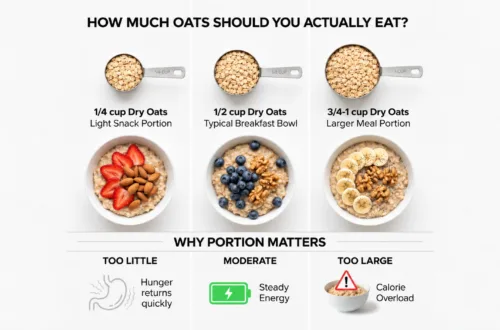
- Tips: Choose whole grains like brown rice, oats, quinoa, and whole wheat bread over refined grains whenever possible.
4. Protein Foods
Protein is crucial for building and repairing tissues, making enzymes and hormones, and supporting immune function. This group includes a wide variety of animal and plant-based sources.
- Key Nutrients: Protein, iron, zinc, and B vitamins.
- Benefits: Essential for muscle growth and repair, satiety, and oxygen transport in the blood.
- Tips: Vary your protein sources. Include lean meats, poultry, fish, eggs, beans, lentils, nuts, seeds, and tofu in your diet.
5. Dairy & Fortified Alternatives
This group is primarily known for its role in bone health. It includes milk, yogurt, cheese, and fortified plant-based alternatives like almond, soy, or oat milk.
- Key Nutrients: Calcium, vitamin D (often fortified), potassium, and protein.
- Benefits: Critical for strong bones and teeth, nerve function, and muscle contraction.
- Tips: If you’re lactose intolerant or prefer plant-based options, ensure your alternatives are fortified with calcium and vitamin D.
Why a Balanced Plate Matters
Consuming foods from all five groups in appropriate amounts ensures your body receives a wide spectrum of essential nutrients. A balanced diet:
- Provides Energy: Fuels your body for daily activities and exercise.
- Supports Growth and Repair: Essential for cell regeneration and healing.
- Boosts Immunity: Strengthens your body’s defense against illness.
- Aids Digestion: Fiber-rich foods keep your digestive system running smoothly.
- Helps Manage Weight: Nutrient-dense, whole foods promote satiety and may help prevent overeating.
- Contributes to Long-Term Health: Research suggests a balanced diet is associated with a lower risk of chronic diseases like heart disease, diabetes, and certain cancers.
Practical Tips for Building Your Healthy Plate
- Visualize Your Plate: Aim to fill half your plate with fruits and vegetables, a quarter with whole grains, and a quarter with lean protein.
- Choose Variety: Don’t stick to the same foods every day. Explore different options within each group to maximize nutrient intake.
- Prioritize Whole Foods: Opt for foods that are minimally processed and as close to their natural state as possible.
- Stay Hydrated: Water, while not a food group, is essential for all bodily functions and complements a healthy diet.
- Listen to Your Body: Pay attention to hunger and fullness cues, and enjoy your meals mindfully.
The Takeaway
Understanding the five food groups is a fundamental step toward building a healthy and sustainable lifestyle. By focusing on variety, balance, and whole foods from each category, you can nourish your body effectively and support your overall well-being. Remember, small, consistent changes can lead to significant improvements in your health.
Disclaimer: This article is for informational purposes only and does not constitute medical advice. Always consult with a qualified healthcare professional or registered dietitian for personalized dietary recommendations and before making any significant changes to your diet or health routine.