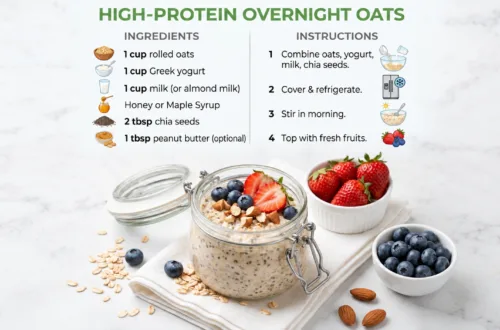
In the quest for optimal wellness, understanding the profound connection between what we eat and the health of our vital organs is a cornerstone of natural living. The ancient wisdom of ‘food as medicine’ resonates deeply today, as scientific research continues to affirm the powerful role nutrition plays in supporting our body’s intricate systems. Instead of viewing food merely as fuel, we can embrace it as a source of powerful compounds that can nourish, protect, and enhance the function of our organs, contributing to long-term vitality.
The Philosophy of Food as Medicine
The concept of food as medicine isn’t about quick fixes or replacing conventional medical treatments. Rather, it’s about making conscious dietary choices that provide sustained support for our bodies’ natural healing and maintenance processes. It emphasizes consuming nutrient-dense whole foods that are rich in vitamins, minerals, antioxidants, and other beneficial compounds, while minimizing processed foods that can place additional strain on our organs.
Targeted Nourishment for Key Organs
For a Thriving Liver: Nature’s Detoxifier
The liver is our body’s primary detoxification organ, working tirelessly to filter toxins. Supporting its function is crucial for overall health.
- Leafy Greens: Spinach, kale, and collard greens are packed with chlorophyll, which may help neutralize heavy metals and pesticides.
- Cruciferous Vegetables: Broccoli, cauliflower, and Brussels sprouts contain compounds that support the liver’s detoxification enzymes.
- Garlic: Rich in sulfur compounds, garlic is traditionally used to support liver enzyme activity.
- Turmeric: This golden spice contains curcumin, known for its powerful anti-inflammatory and antioxidant properties that may benefit liver health.
For a Strong Heart: The Engine of Life
The heart tirelessly pumps blood throughout the body. A diet rich in heart-healthy foods can significantly reduce the risk of cardiovascular issues.
- Omega-3 Rich Foods: Fatty fish like salmon, mackerel, and sardines, as well as flaxseeds and walnuts, provide omega-3 fatty acids that may help reduce inflammation and support healthy cholesterol levels.
- Berries: Blueberries, strawberries, and raspberries are brimming with antioxidants, particularly anthocyanins, which may help protect against oxidative stress.
- Olive Oil: Extra virgin olive oil, a cornerstone of the Mediterranean diet, contains monounsaturated fats and antioxidants beneficial for heart health.
- Oats: The soluble fiber in oats can help lower LDL (bad) cholesterol.

For a Sharp Brain: Cognitive Support
Our brain requires a steady supply of nutrients to function optimally, impacting memory, focus, and mood.
- Blueberries: Often called ‘brain berries,’ they are high in antioxidants that may help improve memory and cognitive function.
- Fatty Fish: The omega-3s (DHA and EPA) in fish are crucial for brain structure and function.
- Nuts and Seeds: Walnuts, almonds, and pumpkin seeds provide vitamin E, antioxidants, and healthy fats that may protect brain cells.
- Green Tea: Contains L-theanine, which can promote relaxation and focus, and antioxidants called catechins.
For Healthy Kidneys: Filtration and Balance
Our kidneys play a vital role in filtering waste and maintaining fluid balance. Certain foods can help support their function.
- Cranberries: Traditionally used to support urinary tract health, they may help prevent bacteria from adhering to bladder walls.
- Watermelon: High in water content, it can help flush the system and may act as a mild diuretic.
- Celery: A natural diuretic, celery may help the body eliminate toxins.
- Parsley: Known for its diuretic properties, parsley has been traditionally used to support kidney function.
For a Balanced Gut: The Second Brain
A healthy gut microbiome is fundamental to digestion, immunity, and even mental well-being.
- Fermented Foods: Sauerkraut, kimchi, yogurt, and kefir introduce beneficial probiotics that support a diverse gut flora.
- Fiber-Rich Foods: Whole grains, legumes, fruits, and vegetables provide prebiotics, which feed the good bacteria in your gut.
- Bone Broth: Rich in collagen and amino acids, bone broth may help support gut lining integrity.
Embracing a Holistic Approach
While specific foods can offer targeted organ support, the most effective approach is a holistic one. This includes a varied diet rich in whole, unprocessed foods, adequate hydration, regular physical activity, sufficient sleep, and stress management. Integrating a wide array of colorful fruits, vegetables, whole grains, and healthy fats into your daily meals ensures your body receives a broad spectrum of nutrients needed for optimal function.
Conclusion
Our bodies are remarkably resilient and responsive to the nourishment we provide. By consciously choosing foods that support our vital organs, we engage in a powerful form of self-care that promotes long-term health and vitality. Let nature’s pharmacy be your guide on your wellness journey, and savor the benefits of eating for true health.
Disclaimer: This article is for informational purposes only and is not intended to provide medical advice, diagnosis, or treatment. Always consult with a qualified healthcare professional before making any changes to your diet, especially if you have existing health conditions or are taking medication.