Wild edible plants have fed people for thousands of years, and many of them still grow in fields, hedgerows, lawn edges, and garden borders today. Learning to recognize them can add fresh greens to your meals, support local pollinators, and deepen your connection with the landscape around you.
Why Wild Edibles Belong in Your Awareness
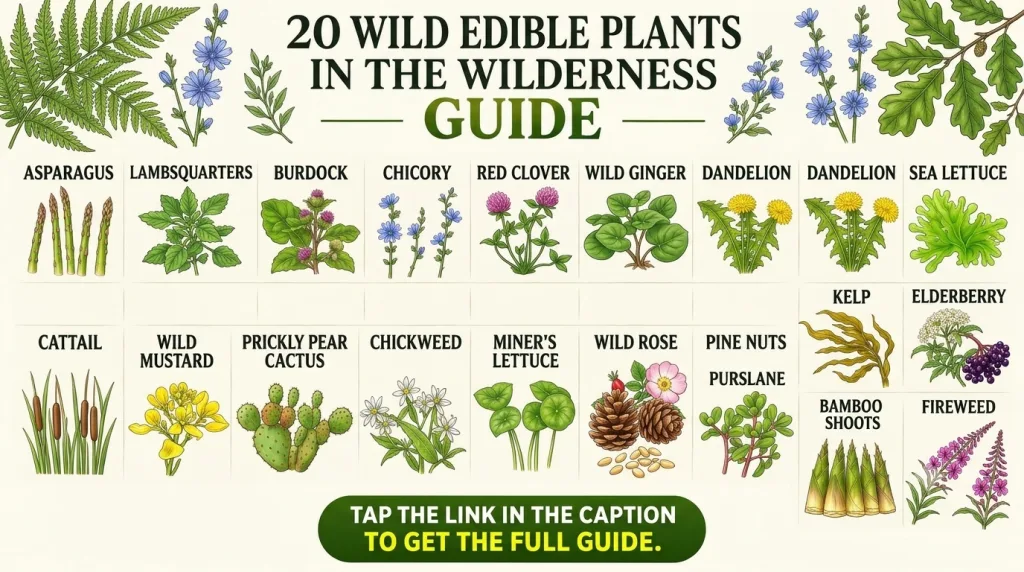
Many wild plants are considered weeds in a manicured lawn, yet they are often nutritious and easy to grow. Dandelion, chickweed, and purslane, for example, have long been used in salads and simple cooked dishes. Knowing these plants helps gardeners see their outdoor space as a source of food, not just decoration.
Common Wild Edibles to Get to Know
Start with a small group of plants that are easy to identify and widely documented. Here are a few popular examples:
- Dandelion: Young leaves are mild and work well in salads, while the flowers can be used in fritters or syrups.
- Chickweed: Tender stems and leaves have a fresh, mild flavor and are best eaten raw in salads.
- Purslane: Its thick, succulent leaves have a slightly lemony taste and add crunch to salads.
- Burdock: The root is commonly used in cooking after it is peeled and prepared thoroughly.
- Wild asparagus: Young shoots can be steamed or sauteed, similar to garden asparagus.
Safety First: Identify Before You Eat
Foraging is rewarding only when it is done carefully. Some toxic plants closely resemble edible ones, so accurate identification matters more than speed.
- Confirm each plant using at least two reliable field guides or a local expert before tasting it.
- Avoid plants growing near busy roads, industrial areas, or spaces treated with pesticides or herbicides.
- Cook plants such as nettles thoroughly, and eat any new food in small amounts at first.
- Pick only where you have permission, and never strip a patch so that wildlife and pollinators still have food.
Bringing Wild Edibles Into Your Garden
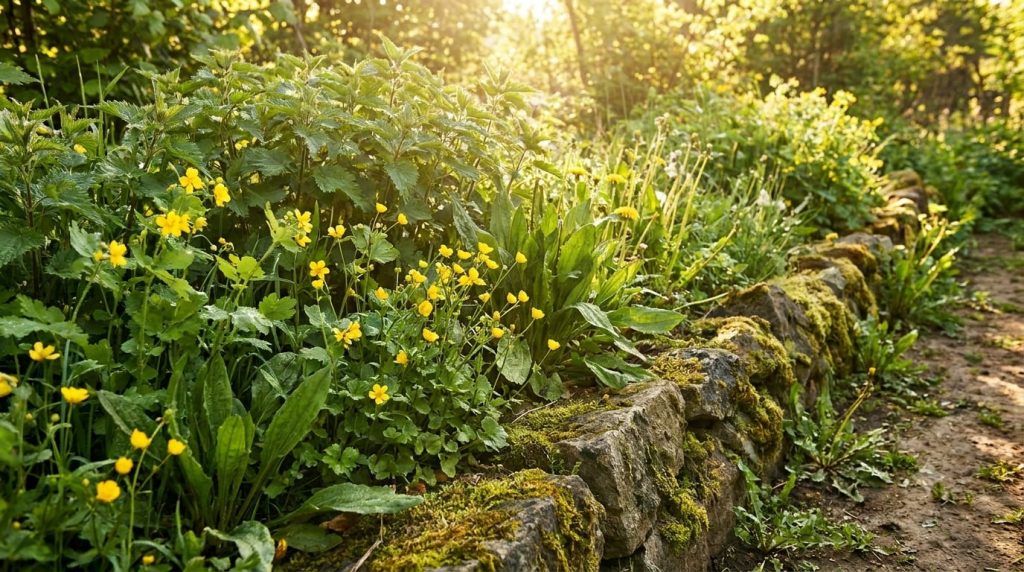
You do not need a wilderness trip to enjoy these plants. Many can be grown or allowed to grow in a corner of your yard. Leaving a small, untidy section with flowering greens gives bees and other pollinators a useful food source while giving you a harvest of fresh leaves.
A Related Garden Tip: Banana Peel Fertilizer for Roses
Kitchen scraps can also support your garden. Banana peels contain potassium and some phosphorus, which are nutrients plants use over time. To use them, chop the peels into small pieces, bury them in the soil near your roses, and let them break down gradually. This is a slow, gentle way to improve soil fertility rather than an instant fix, so pair it with regular watering, good sunlight, and healthy soil practices.
Final Thoughts
Wild edible plants offer a fascinating way to learn about nature, enjoy fresh greens, and support a healthier garden ecosystem. Start small, identify plants with care, and build your knowledge one season at a time. With patience and respect for the land, your outdoor space can become a rewarding source of food and inspiration.