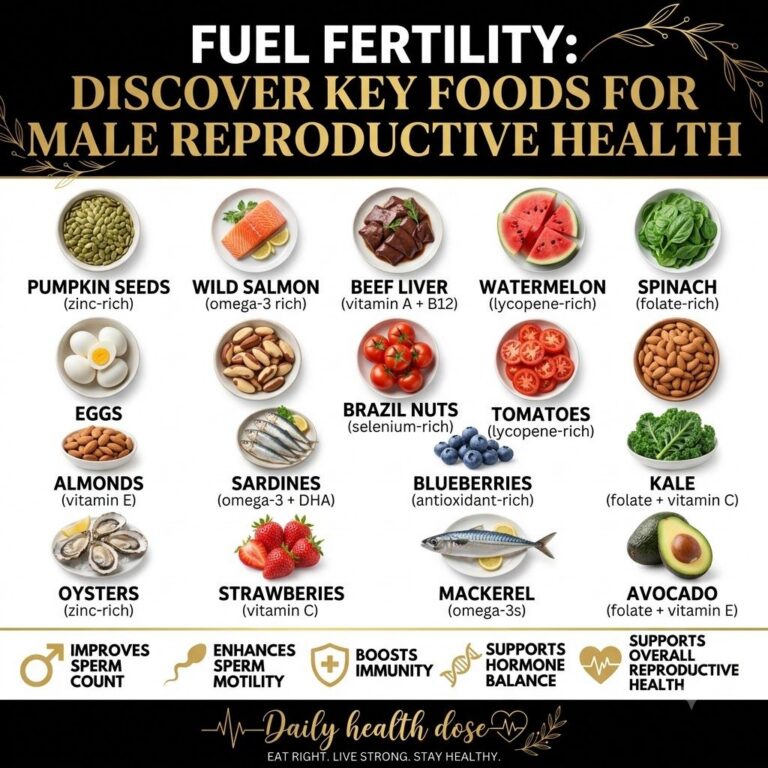
Understanding the vital role of nutrition in overall well-being is crucial, and this extends directly to reproductive health. For men, dietary choices can significantly impact fertility factors, from sperm quality to hormone balance. Our guide, ‘Fuel Fertility: Discover Key Foods for Male Reproductive Health,’ is here to unveil how simple, strategic additions to your plate can lay the foundation for optimal reproductive function.
This article will explore 16 powerhouse foods, detailing the essential nutrients they provide and how these contribute to a healthier reproductive system. We’ll also delve into the five key benefits you can expect when you incorporate these fertility-boosting ingredients into your daily routine. Get ready to nourish your body and support your reproductive journey.
The Power of Nutrition for Male Reproductive Health
The journey to fatherhood is unique for every individual, and for men, a balanced and nutrient-rich diet can play a surprisingly significant role in reproductive health. Beyond general wellness, specific vitamins, minerals, and antioxidants found in everyday foods directly influence sperm production, quality, and hormonal balance. Integrating these key foods into your lifestyle is a proactive step towards supporting healthy fertility.
Essential Foods to Fuel Male Fertility
Here are 16 foods known for their contributions to male reproductive health, highlighting their key nutrients and benefits:
1. Pumpkin Seeds (Zinc-Rich)
Pumpkin seeds are a powerhouse of zinc, a crucial mineral for male fertility. Zinc plays a vital role in sperm development, testosterone metabolism, and preventing sperm agglutination. Regular consumption may support healthy sperm counts and overall semen quality.
2. Walnuts (Omega-3 Fatty Acids)
These brain-shaped nuts are one of the best plant-based sources of omega-3 fatty acids, particularly alpha-linolenic acid (ALA). Omega-3s are essential for improving sperm morphology (shape), motility (movement), and viability, helping to protect sperm membranes.
3. Avocado (Vitamin E)
Avocado is rich in vitamin E, a potent antioxidant that helps protect sperm from oxidative damage caused by free radicals. This protection is vital for maintaining sperm integrity and improving fertilization potential.
4. Spinach (Folate)
Folate, also known as vitamin B9, is critical for healthy DNA synthesis in sperm. Adequate folate intake can help prevent chromosomal abnormalities in sperm and may improve sperm concentration and motility.
5. Broccoli (Vitamin C)
Like many green vegetables, broccoli is an excellent source of vitamin C. This antioxidant vitamin protects sperm from oxidative stress, helps maintain sperm quality, and may improve sperm motility, making it a valuable addition to a fertility-focused diet.
6. Berries (Antioxidants)
Strawberries, blueberries, raspberries, and other berries are packed with various antioxidants, including anthocyanins and flavonoids. These compounds combat oxidative stress throughout the body, including the reproductive system, helping to protect sperm health.
7. Citrus Fruits (Vitamin C)
Oranges, grapefruits, lemons, and limes are brimming with vitamin C. This essential nutrient is crucial for healthy sperm viability and can help prevent sperm clumping, ensuring better motility.
8. Oysters (Zinc)
Oysters are famously known for their aphrodisiac qualities, and for good reason — they are an exceptional source of zinc. This mineral directly supports testosterone levels, sperm production, and overall reproductive function.
9. Salmon (Omega-3)
Fatty fish like salmon provide long-chain omega-3 fatty acids, DHA and EPA, which are critical components of sperm cell membranes. These fats contribute to improved sperm morphology, motility, and overall health.
10. Chickpeas (Folate)
Chickpeas are another excellent source of folate, an important B vitamin that plays a key role in DNA integrity and repair within sperm cells. Including them in your diet can support healthy genetic material for reproduction.
11. Eggs (Vitamin D)
Eggs contain vitamin D, a nutrient increasingly linked to male fertility. Receptors for vitamin D are found on sperm, and adequate levels are associated with improved sperm motility and healthier testosterone levels.
12. Tomatoes (Lycopene)
Tomatoes are rich in lycopene, a powerful antioxidant responsible for their red color. Studies suggest that lycopene may significantly improve sperm morphology, motility, and overall activity, protecting sperm from damage.
13. Asparagus (Folate)
Asparagus offers yet another significant source of folate. Incorporating this vibrant vegetable into your meals can further boost your intake of this vital nutrient for sperm DNA health.
14. Garlic (Selenium)
Garlic provides selenium, an essential trace mineral with antioxidant properties. Selenium supports sperm motility, structure, and helps protect against oxidative damage, contributing to robust sperm health.
15. Beef (Zinc, Selenium)
Lean cuts of beef are a good source of both zinc and selenium. These two minerals work synergistically to support male reproductive health, influencing testosterone production and sperm quality.
16. Dark Chocolate (Antioxidants)
In moderation, dark chocolate (with a high cocoa content) can offer benefits due to its rich antioxidant profile and L-arginine content. L-arginine is an amino acid that may contribute to improved sperm count and quality.
Key Benefits of a Fertility-Focused Diet
Adopting a diet rich in these beneficial foods can lead to several positive outcomes for male reproductive health:
Improves Sperm Count
Nutrients like zinc, folate, and antioxidants are directly involved in spermatogenesis — the process of sperm production. Ensuring adequate intake of these can help optimize the quantity of healthy sperm.
Enhances Sperm Motility
Sperm motility, or the ability of sperm to swim effectively, is crucial for fertilization. Omega-3 fatty acids, vitamin C, and selenium are particularly important for supporting the structural integrity and energy metabolism needed for strong sperm movement.
Boosts Immunity
A robust immune system is essential for overall health, including reproductive health. Antioxidants (like those in berries and citrus) and minerals (like zinc and selenium) strengthen the body’s defenses, protecting against infections and inflammation that could negatively impact sperm.
Supports Hormone Balance
Key nutrients, especially zinc and vitamin D, play critical roles in the production and regulation of male hormones, particularly testosterone. Balanced hormone levels are fundamental for healthy sperm development and libido.
Supports Overall Reproductive Health
Beyond specific parameters, the synergistic effect of these nutrient-dense foods contributes to the holistic health of the male reproductive system. This comprehensive support helps create an optimal environment for fertility.
Practical Tips for Incorporating Fertility Foods
- Diversify Your Plate: Aim to include a variety of these foods daily to ensure a broad spectrum of nutrients.
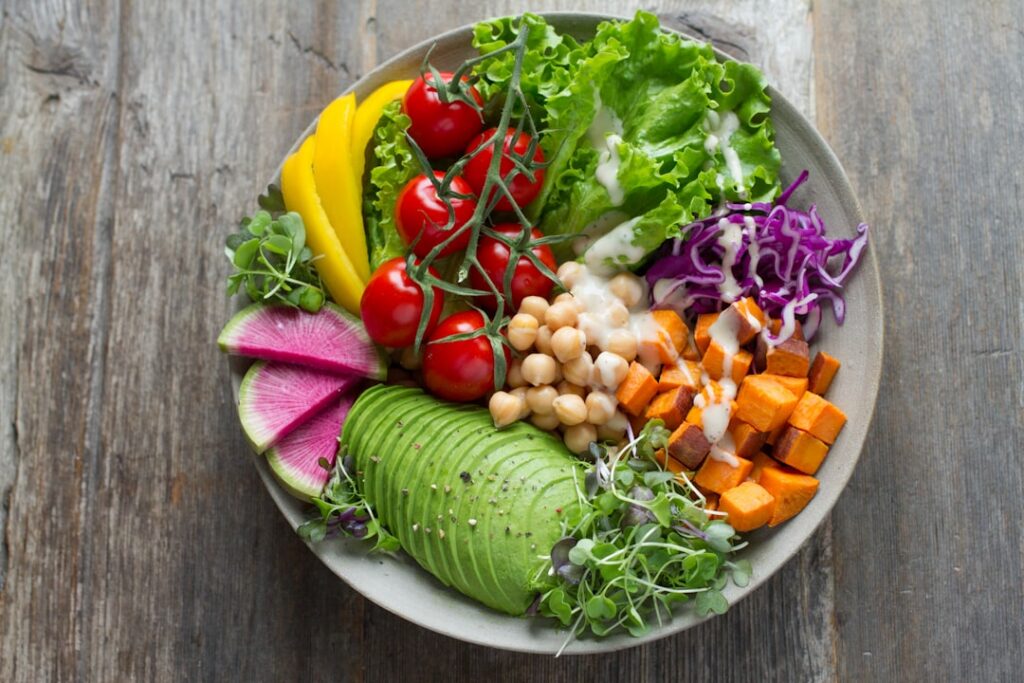
- Meal Prep for Success: Prepare batches of roasted vegetables, cook grains like chickpeas, or make a big salad with spinach to easily add these foods to your daily meals.
- Snack Smart: Keep walnuts and pumpkin seeds handy for a healthy, fertility-boosting snack.
- Blend It In: Add spinach, berries, or even a piece of avocado to your morning smoothie for a quick nutrient boost.
- Cook at Home: Preparing your meals allows you to control ingredients and ensure you’re getting fresh, nutrient-dense foods.
Frequently Asked Questions About Male Fertility & Diet
What is the “best” food for male fertility?
There isn’t a single “best” food, as male fertility relies on a combination of nutrients. Foods rich in zinc (oysters, pumpkin seeds, beef), omega-3s (salmon, walnuts), and antioxidants (berries, tomatoes, avocado) are among the most impactful. A varied diet is key.
How long does it take for diet to impact sperm quality?
Sperm takes approximately 72 days (about 2.5 months) to fully mature. Therefore, consistent dietary changes over at least three months are generally recommended to see potential improvements in sperm quality parameters.
Are there any foods to avoid for male fertility?
While this article focuses on beneficial foods, generally, it’s advisable to limit highly processed foods, excessive trans fats, sugary drinks, and moderate alcohol intake, as these may negatively impact reproductive health.