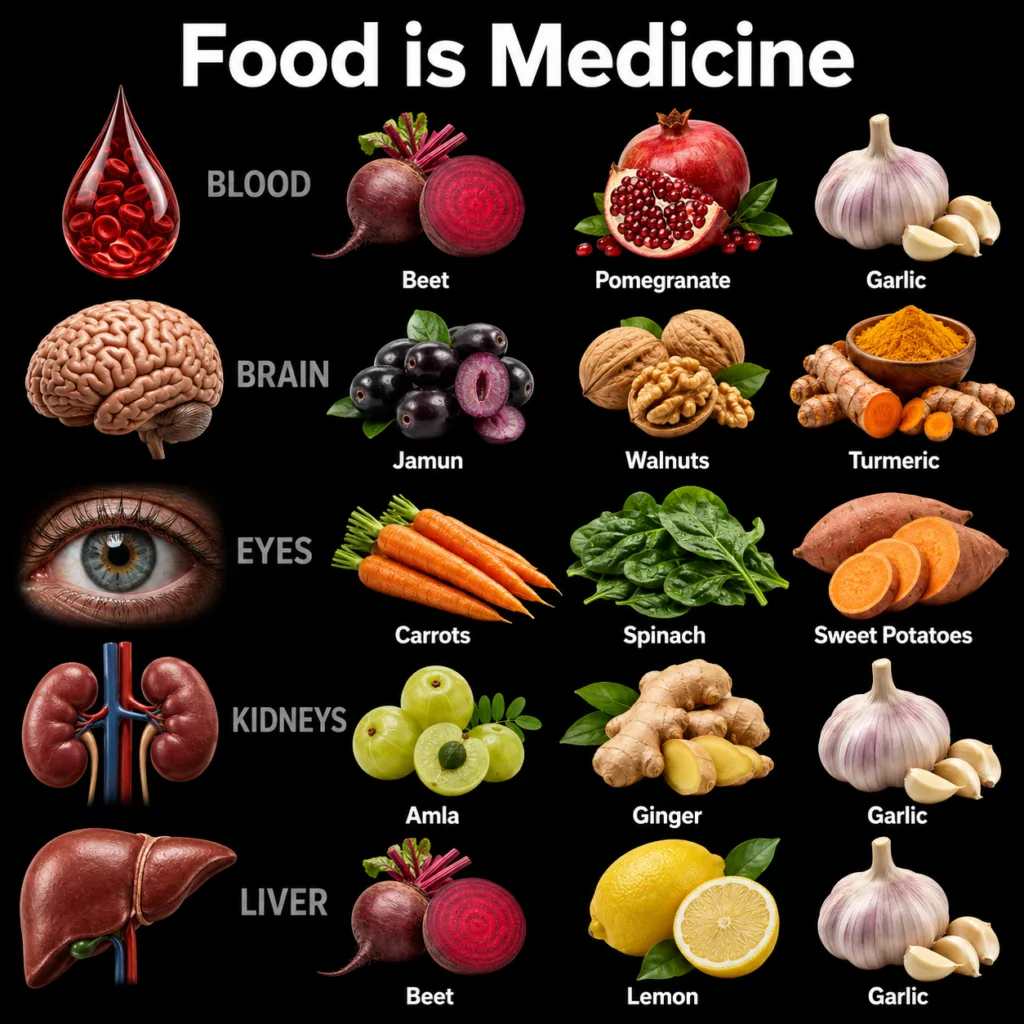
The ancient wisdom that ‘Food is Medicine’ rings truer than ever in our modern world. What we choose to put on our plates directly impacts our body’s ability to thrive, strengthen its immune system, and support the intricate functions of our vital organs. It’s an investment in your well-being, a daily choice to nourish your body from the inside out.
In a world often seeking quick fixes, the power of whole, natural foods stands as a cornerstone of genuine health. This article delves into how specific foods act as potent allies, working in harmony with your body to support the health of your most crucial systems. We’ll explore which powerhouse ingredients can fuel your blood, sharpen your brain, protect your eyes, cleanse your kidneys, and detoxify your liver, empowering you with the knowledge to make informed dietary choices.
Discover how simple additions to your diet can make a profound difference in your energy levels, cognitive function, and overall vitality, proving that indeed, your plate is a powerful tool for health.
Nurturing Your Body’s Core: Foods for Vital Organs
Our bodies are complex machines, and just like any intricate system, they perform best with the right fuel. Let’s explore the specific foods that can provide targeted support for your most vital organs, helping them function optimally day in and day out.
For Healthy Blood: Circulation & Vitality
Your blood is the river of life, carrying oxygen and nutrients to every cell in your body. Supporting its health is fundamental to overall well-being. These foods are known for their blood-boosting properties:
- Beet: Rich in nitrates, beets may help relax blood vessels, potentially improving blood flow and lowering blood pressure. They are also a good source of iron, crucial for red blood cell formation.
- Amla (Indian Gooseberry): A powerhouse of Vitamin C, Amla is known to support iron absorption and may help purify the blood. It’s often associated with overall cardiovascular health.
- Pomegranate: Packed with antioxidants, pomegranates may help improve circulation and protect against cellular damage, contributing to healthy blood flow and heart function.
Fueling Your Brain: Focus & Cognitive Health
The brain, our body’s command center, requires specific nutrients to function at its best, supporting memory, focus, and overall cognitive health. Consider incorporating these brain-friendly foods:
- Walnuts: These nuts are an excellent source of omega-3 fatty acids, which are vital for brain structure and function, potentially enhancing memory and cognitive performance.
- Broccoli: High in antioxidants and vitamin K, broccoli may contribute to brain health by protecting against damage and supporting nerve cell communication.
- Turmeric: The active compound curcumin in turmeric is a potent anti-inflammatory and antioxidant that may cross the blood-brain barrier, potentially benefiting memory and mood.
Protecting Your Vision: Foods for Eye Health
Our eyes work tirelessly, and protecting them from damage is essential for maintaining good vision throughout life. These foods provide key nutrients for ocular health:
- Carrot: Famous for their beta-carotene content, carrots are converted to Vitamin A in the body, which is crucial for good vision, especially in low light.
- Jamun (Black Plum): Rich in antioxidants like anthocyanins, Jamun may help protect the eyes from oxidative stress and support retinal health.
- Spinach: A leafy green packed with lutein and zeaxanthin, spinach helps filter harmful high-energy blue light and may protect against age-related macular degeneration.
Supporting Your Kidneys: Cleansing & Balance
Your kidneys are vital filters, working constantly to remove waste and maintain fluid balance. Supporting their natural cleansing processes is key. These foods can offer a helping hand:
- Lemon: Known for its citric acid, lemon may help prevent kidney stone formation by increasing urine volume and pH.
- Ginger: With its anti-inflammatory and antioxidant properties, ginger may support kidney function and overall health, though more research is always beneficial.
- Garlic: Garlic has diuretic properties and is often recognized for its ability to support kidney health and may have protective effects against kidney damage.
Detoxing Your Liver: Essential Cleansing Foods
The liver is your body’s primary detoxifier, processing everything you consume. Keeping it healthy is crucial for overall vitality. These foods are often highlighted for their liver-supporting benefits:
- Beet: Beyond blood health, beets contain betalains, which are pigments with antioxidant and anti-inflammatory properties that may support liver detoxification pathways.
- Garlic: Rich in sulfur-containing compounds, garlic may help activate liver enzymes responsible for flushing out toxins.
- Sweet Potato: A great source of beta-carotene and other vitamins, sweet potatoes provide antioxidants that can protect liver cells from damage and support their regenerative capacity.
Making ‘Food Is Medicine’ Part of Your Daily Life
Embracing the concept of ‘Food is Medicine’ isn’t about restrictive diets; it’s about conscious choices. Integrating these powerhouse foods into your daily meals can be a delicious and effective way to support your body’s natural functions and promote long-term health.
Quick Tips for Incorporating These Foods:
- Smoothie Boost: Add spinach, amla powder, or a slice of ginger to your morning smoothie.
- Snack Smart: Grab a handful of walnuts or a pomegranate as a nutritious snack.
- Meal Prep Power: Include beets, broccoli, or sweet potatoes in your weekly meal prep for easy, healthy additions to your lunch and dinner.
- Flavor Enhancers: Use fresh garlic and turmeric in your cooking, and a squeeze of lemon over salads or water.
Frequently Asked Questions About Food and Organ Health
Q: Can food really reverse organ damage?
A: While food plays a crucial role in supporting organ function and overall health, it’s important to understand that it may help prevent damage and support healing, but generally cannot reverse significant, existing organ damage on its own. Always consult a healthcare professional for specific medical conditions.
Q: How quickly can I expect to see benefits from eating these foods?
A: The benefits of a healthy diet accumulate over time. While some immediate effects like improved energy may be noticed, significant improvements in organ health markers usually require consistent dietary changes over weeks or months.
Q: Are there any side effects to consuming these foods?
A: These are natural, whole foods and are generally safe for consumption as part of a balanced diet. However, individual sensitivities or allergies can occur. If you have specific health conditions or are on medication, it’s always wise to discuss significant dietary changes with your doctor or a registered dietitian.
Q: Is it necessary to eat all these foods regularly?
A: A varied diet is key. Incorporating a range of nutrient-dense foods, including those mentioned, ensures you get a broad spectrum of vitamins, minerals, and antioxidants to support overall health.
Final Thoughts
The journey to optimal health is paved with mindful choices, and few choices are as impactful as what we choose to eat. The ‘Food is Medicine’ philosophy is a powerful reminder that every meal is an opportunity to nourish and fortify your body’s vital organs.
By understanding the specific benefits of foods like beets for blood, walnuts for the brain, carrots for eyes, lemons for kidneys, and garlic for the liver, you empower yourself to build a plate that truly supports a vibrant, healthy life. Start small, experiment with new flavors, and enjoy the delicious path to wellness.
Medical Disclaimer
The information provided in this article is for general informational purposes only and does not constitute medical advice. It is not intended to diagnose, treat, cure, or prevent any disease. Always seek the advice of a qualified healthcare professional for any medical condition or before making any changes to your diet, exercise routine, or treatment plan.