Feeling tired even after sleep. Getting dizzy when you stand up. Looking pale. Feeling short of breath with small effort. These can be everyday signs that your blood is not carrying oxygen as well as it should.
That is why anemia is so important to take seriously. Many cases are linked to low iron, low B12, low folate, heavy periods, poor absorption, or chronic inflammation. Herbs and natural remedies can support blood health, but they are not replacements for testing or treatment when anemia is significant.
Most people never realize this because they try random “iron hacks” without knowing the cause.
First, a Quick Safety Note About Anemia
If you suspect anemia, a simple blood test can confirm it. Severe anemia can be dangerous.
Seek medical care soon if you have:
- Chest pain, fainting, fast heartbeat, or severe shortness of breath
- Very heavy bleeding
- Pregnancy with fatigue or dizziness
- Symptoms that worsen quickly
Natural support works best alongside proper diagnosis.
The 8 Natural Remedies for Anemia
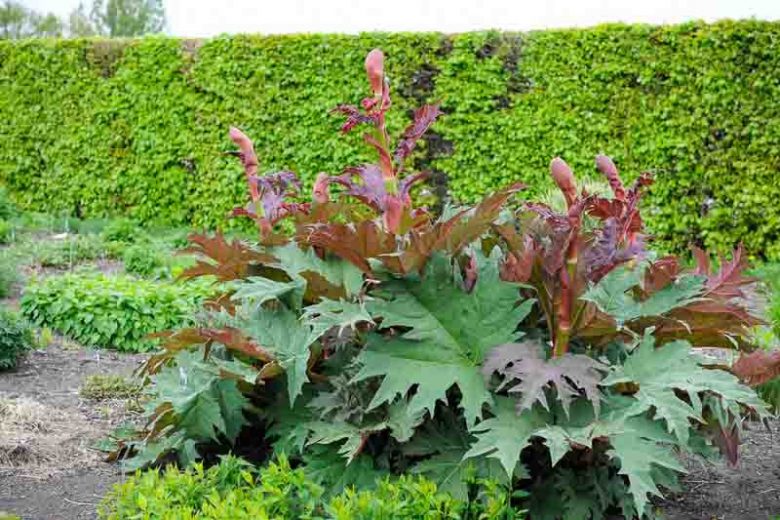
1) Turkish rhubarb (blood tonic)
Turkish rhubarb has been used traditionally as a “blood tonic” style herb. In gentle wellness routines, it is often paired with nourishing foods to support overall vitality.
How to use:
- Used in small amounts as a dried herb infusion or blend.
- Best taken with meals to reduce stomach sensitivity.
Simple tip: If you are prone to loose stools, start low and go slow.
2) Red raspberry leaf (iron & minerals)
Red raspberry leaf is known as a mineral-rich leaf. Many people use it to support iron status gently, especially when fatigue is tied to monthly cycles.
How to use:
- 1 teaspoon dried leaf in hot water.
- Steep 10 to 15 minutes.
- Drink 3 to 4 times per week.
3) Damiana (increases circulation)
Damiana is traditionally used for circulation and vitality. For anemia support, it is often included when people feel cold, sluggish, or low-energy.
How to use:
- Tea: ½ to 1 teaspoon dried herb steeped 10 minutes.
- Best earlier in the day so it does not disrupt sleep.

4) Elderberries (immune & blood support)
Elderberries are rich in protective compounds that support immune strength. When anemia is connected to frequent illness or inflammation, elderberries are often used as supportive nourishment.
How to use:
- Tea or syrup in small daily servings.
- Use for short periods, especially during seasonal changes.
Important: Only use properly prepared elderberries. Raw elderberries are not recommended.
5) Nettle leaf (iron rich)
Nettle leaf is one of the most popular “iron-rich” herbs in traditional wellness. It is also mineral-dense, which is why many people feel steadier energy when they use it consistently.
How to use:
- Infusion: 1 tablespoon dried nettle leaf in 2 cups hot water.
- Steep 15 to 20 minutes.
- Drink 3 to 5 days per week.
6) Dandelion root (liver & blood cleanser)
Dandelion root is traditionally used to support the liver and digestion. This matters because iron absorption and nutrient processing depend heavily on gut and liver function.
How to use:
- Simmer 1 teaspoon dried root in 2 cups water for 10 minutes.
- Drink warm after meals.

7) Sarsaparilla root (blood purifier)
Sarsaparilla root has a long history in “blood purifier” traditions. In modern wellness terms, it is often used to support detox pathways and skin health, which can indirectly support vitality.
How to use:
- Decoction: simmer 1 teaspoon dried root for 15 minutes.
- Take a few times per week rather than daily at first.
8) Burdock root (iron & blood builder)
Burdock root is used traditionally as a “blood builder” and supportive detox herb. It is often chosen when anemia-like fatigue overlaps with sluggish digestion or skin issues.
How to use:
- Simmer 1 teaspoon dried burdock root in water for 10 to 15 minutes.
- Drink 2 to 3 times per week.

How to Build a Simple Weekly Routine
You do not need all 8 at once. Overdoing herbs can irritate the stomach.
A gentle rotation:
- Mon/Wed/Fri: Nettle leaf tea
- Tue/Thu: Red raspberry leaf tea
- Weekend: Dandelion root or burdock root decoction
If you want immune support, add elderberry short-term during cold seasons.
When You’ll Notice Changes
Be realistic with anemia support. Building healthy blood takes time.
- Within 3 to 7 days: Some people notice slightly better energy and less dizziness if hydration and meals improve.
- Within 2 to 4 weeks: If iron intake and absorption improve, stamina can gradually rise.
- Within 6 to 8 weeks: Many people see clearer changes, but bloodwork is the best way to confirm progress.
If you do not improve, or you worsen, do not delay evaluation.
Tips That Make Iron Work Better
- Pair iron-rich meals with vitamin C foods (citrus, berries, peppers).
- Avoid tea or coffee right with iron-rich meals because they can reduce absorption.
- Focus on protein, leafy greens, legumes, and iron-rich foods alongside herbs.
Quick Safety Notes
Avoid or ask a clinician first if you:
- Are pregnant or breastfeeding
- Take blood thinners or multiple medications
- Have kidney disease, gallbladder issues, or hormone-sensitive conditions
- Have very heavy periods or unexplained bleeding
Herbs are supportive, but anemia requires real investigation.
Final Takeaway
These 8 natural remedies for anemia can gently support blood health, circulation, mineral intake, and digestion. The most powerful approach is combining them with proper testing, iron-rich meals, and consistent routines.
Save this guide if you want to try it later.