Welcome, fellow garden enthusiasts! Have you ever wondered why some of your plants thrive while others struggle, even with the same care? Often, the secret lies in one crucial factor: planting timing. Knowing when to sow your seeds or transplant your seedlings can make all the difference between a flourishing harvest and a disappointing yield. At Garden – L. Quyên, we believe that understanding your garden’s rhythm is key to success.
This ultimate planting timing guide will equip you with the knowledge to plant your home garden vegetables at their optimal times, ensuring healthier plants, bigger harvests, and a more enjoyable gardening experience. Let’s dig in!
Why Planting Timing Is Your Garden’s Best Friend
It might seem like a small detail, but planting at the right time is paramount for several reasons:
- Temperature Matters: Both soil and air temperatures play a huge role. Some plants, like lettuce and peas, prefer cooler weather, while others, like tomatoes and peppers, need warmth to grow and produce fruit.
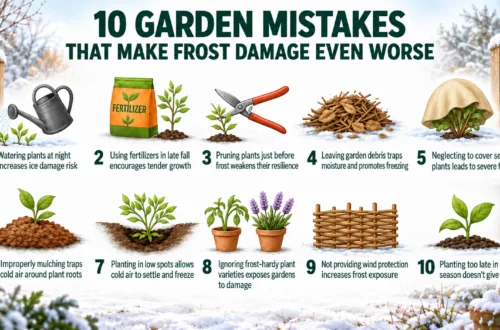
- Frost Protection: Planting too early in spring can expose tender seedlings to unexpected late frosts, causing damage or even death.
- Pest and Disease Avoidance: Timing can help plants grow strong and robust before common pests and diseases become most active, giving them a natural defense.
- Optimal Growth: Plants planted at their ideal time will establish stronger root systems, grow more vigorously, and be more resilient to environmental stressors.
- Harvest Maximization: Proper timing ensures your plants have the full season they need to mature and produce a bountiful harvest.
Your Seasonal Planting Timing Guide
Let’s break down optimal planting times by season, keeping in mind that these are general guidelines. Always consult local planting calendars or extension offices for specific recommendations for your region and USDA Hardiness Zone.
Spring: A Fresh Start for Cool-Season Crops
Spring is a time of renewal and excitement in the garden. As the last frost danger passes and the soil begins to warm, it’s time for cool-season vegetables.
- Early Spring (as soon as the soil can be worked):
- Root Vegetables: Carrots, radishes, beets, turnips. These can tolerate cooler soil and benefit from early planting.
- Leafy Greens: Lettuce, spinach, kale, arugula. They thrive in mild temperatures and can bolt (go to seed) in intense summer heat.
- Peas: Both shelling and snap peas love cool weather and can be planted as soon as the soil is workable.
- Onions & Garlic: Can be planted from sets or seeds in early spring.
- Mid-to-Late Spring (after the last frost date):
- Cabbage Family: Broccoli, cauliflower, Brussels sprouts. These can be started indoors earlier and transplanted out now.
- Potatoes: Plant seed potatoes once the soil has warmed sufficiently.
Summer: Embracing the Warmth for Heat-Lovers
Summer is prime time for warm-season crops that need plenty of sun and heat to mature.
- Late Spring / Early Summer (after all danger of frost is gone and soil is warm):
- Tomatoes: The quintessential summer crop. Plant strong, healthy seedlings.
- Peppers: Both sweet and hot peppers need consistent warmth.
- Eggplant: Similar to tomatoes and peppers, they are heat-lovers.
- Cucumbers & Squash: Bush or vining varieties, often direct-sown after frost danger.
- Beans: Bush and pole beans germinate quickly in warm soil.
- Corn: Requires warm soil and plenty of space.
Fall: A Second Chance for Cool-Season Delights
Don’t pack up your gardening tools just yet! Fall offers a fantastic opportunity for a second harvest of many cool-season vegetables.
- Late Summer / Early Fall (6-8 weeks before the first anticipated fall frost):
- Leafy Greens: Lettuce, spinach, kale, Swiss chard can be replanted for a fall harvest.
- Root Vegetables: Carrots, radishes, beets. These can sweeten with cooler temperatures.
- Broccoli & Cabbage: If planted early enough, you can get a second crop before hard freezes.
Winter: Planning and Protecting
While active planting slows down in most regions during winter, it’s a vital time for planning, soil improvement, and protecting overwintering crops.
- Garlic: In many regions, garlic is planted in the fall (late October/early November) to overwinter and be harvested the following summer.
- Cover Crops: Planted to improve soil health over winter.
- Indoor Seed Starting: Many gardeners begin seeds indoors in late winter for an early spring transplant.
Tips for Success, No Matter the Season
Beyond specific timing, a few universal principles will help you master your garden:
- Know Your Last and First Frost Dates: This is the single most important piece of information for seasonal planting. Your local extension office or a quick online search can provide this.
- Watch the Weather: Be flexible! Mother Nature doesn’t always follow the calendar. A sudden cold snap or heatwave might require adjusting your plans.
- Soil Temperature is Key: Invest in a soil thermometer. It’s a more reliable indicator than air temperature for when to plant seeds directly into the garden.
- Succession Planting: For crops like lettuce or radishes, plant small batches every 2-3 weeks. This ensures a continuous harvest rather than one huge flush.
- Read Seed Packets: They are a treasure trove of information, including ideal planting times, depth, spacing, and days to maturity.
By understanding and respecting the optimal planting times for your vegetables, you’ll be well on your way to a more productive and enjoyable garden. Remember, gardening is a journey of learning and discovery. Each season brings new opportunities to connect with nature and grow something beautiful (and delicious!).
Happy gardening!