In the vast tapestry of traditional remedies, certain herbs stand out for their enduring presence in folk medicine and cultural practices. One such herb is rue, scientifically known as Ruta graveolens. Revered in many ancient cultures, the humble rue leaf has been a subject of fascination for its unique properties and wide array of traditional applications. While often celebrated in historical texts for its potential to support well-being, understanding its historical context and exercising caution are key.
Join us as we explore the captivating history and traditional uses of the rue leaf, shedding light on the fascinating role it has played in the wellness journeys of generations past. It’s a journey into ancient secrets, reminding us of the rich heritage of herbal wisdom.
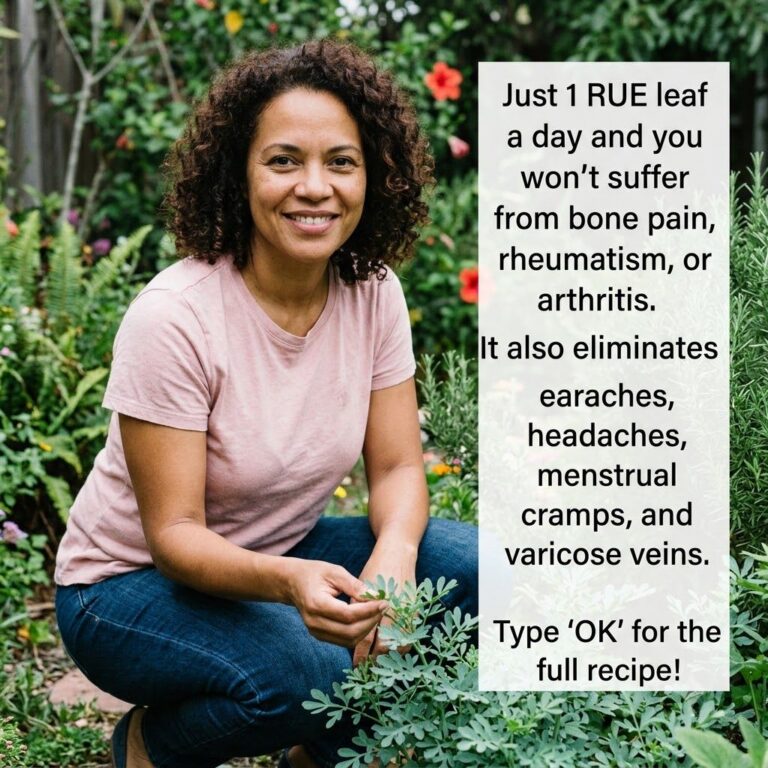
What is Rue?
Rue is a perennial evergreen shrub native to the Mediterranean region, often found growing wild in stony, sunny places. Characterized by its bluish-green, feathery leaves and small yellow flowers, it has a strong, distinctive aroma that is often described as pungent or musky. Historically, rue was more than just a garden plant; it was a symbol and an ingredient woven into the fabric of daily life, from culinary uses (in very small quantities) to its prominent role in traditional health practices.
The Traditional Uses of Rue: A Glimpse into Herbal Lore
Across various cultures and centuries, rue has been traditionally recognized for a diverse range of applications. It’s important to remember that these are historical accounts and traditional beliefs, not modern medical recommendations. Always consult a healthcare professional for any health concerns.
Historically Associated with Bone and Joint Comfort
In folk medicine, rue was often turned to by those seeking comfort from what was perceived as bone pain, rheumatism, and arthritis. Traditional texts suggest that preparations made from rue were believed to possess properties that could help soothe discomfort and improve mobility. It was a common ingredient in liniments and poultices used externally.
Traditional Relief for Headaches and Earaches
Headaches and earaches, common ailments throughout history, were also among the conditions for which rue was traditionally employed. Ancient remedies often involved infusing rue leaves to create applications intended to alleviate these localized discomforts. The specific mechanisms were not understood, but the belief in its efficacy was widespread.
Supporting Menstrual Comfort
For women, rue held a traditional place in supporting menstrual comfort. It was believed to have properties that could help ease menstrual cramps and regulate cycles. These traditional uses highlight the plant’s long-standing role in women’s health within a historical context.
Circulatory Support: Addressing Varicose Veins
Another fascinating traditional application of rue was its use in attempts to address varicose veins. Folk practitioners often suggested rue to help with circulation and to strengthen blood vessels, believing it could reduce the appearance and discomfort associated with varicose veins. Again, this points to historical attempts to manage common conditions with available natural resources.
How Rue Was Traditionally Used (With Cautionary Notes)
In traditional practices, people might incorporate a small amount of rue, such as a single leaf, into their daily routine, often as part of a tonic or steeped tea. However, it is crucial to emphasize that these practices were based on anecdotal evidence and ancient wisdom, not modern scientific validation of safety or efficacy for direct consumption. The idea of a