If you’ve ever noticed a carpet of tiny three-leaf, heart-shaped greens popping up in your garden or sidewalk cracks, you might have pulled it out without thinking twice.
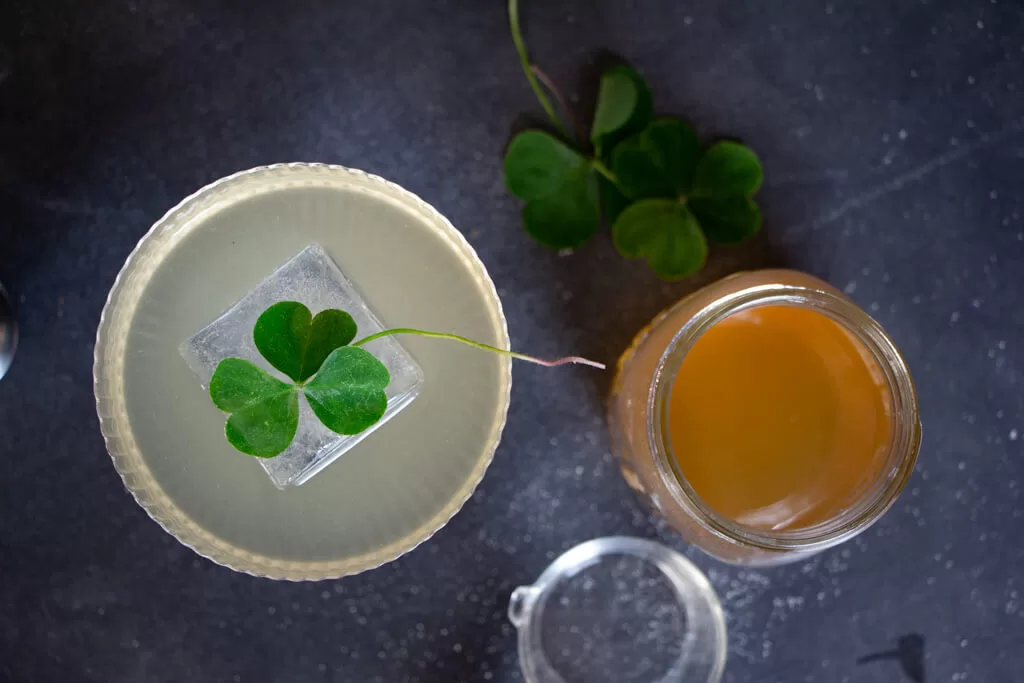
This is commonly known as wood sorrel (Oxalis), often nicknamed sour clover because of its naturally tangy taste. In many homes, people don’t treat it like a weed at all. They harvest it fresh, blend it into a bright green paste, and use it in simple, traditional ways for comfort.
Most people never realize this plant can be useful because it looks like ordinary ground cover. The secret is knowing how to identify it correctly, how to prepare it gently, and how to use small amounts safely.
Safety note: Many plants look similar. Do not consume wild plants unless you are 100% sure of identification and the growing area is pesticide-free.
What This Plant Is (And How to Recognize It)
Wood sorrel usually has:
- Three heart-shaped leaflets (often mistaken for clover)
- Thin, tender stems
- A fresh, lemony “sour” flavor when tasted (only if safely identified)
- It often grows in dense patches
Why People Traditionally Use Wood Sorrel
Wood sorrel is valued for two main reasons:
1) It feels refreshing and “clearing”
The sour taste comes from natural plant acids (including oxalic acid). In tiny amounts, that tang can feel refreshing, especially when you are tired of heavy flavors.
2) It is a “quick comfort” herb
Many traditional routines use the fresh leaves in a simple mash or paste because it is:
- Soft and easy to crush
- Easy to apply in a thin layer
- Naturally cooling in feel when freshly blended
This is not a cure for medical problems, but some people use it for minor, short-term comfort.
How to Prepare It
Option A: Fresh Wood Sorrel Paste
You need:
- A handful of fresh wood sorrel leaves and stems
- Clean water for rinsing
How to make it:
- Rinse the leaves very well and drain.
- Chop lightly to make blending easier.
- Crush with a mortar/pestle or blend with a tiny splash of water.
- You should get a thick green paste.
Best texture tip: Keep it thick, not watery. Thick paste stays where you apply it.
Option B: Simple Infused Rinse (gentler)
If you do not want paste, you can make a mild rinse.
How to do it:
- Rinse the leaves well.
- Add to warm (not boiling) water.
- Let sit for 10–15 minutes, then strain.
This method is gentler and easier for sensitive skin.
How People Use It (Practical, Gentle Ways)
1) As a quick topical comfort paste
Many people apply a thin layer of the paste to areas that feel mildly irritated after heat, sweat, or outdoor time.
How to use:
- Apply a thin layer for 10–15 minutes
- Rinse off with cool water
- Pat dry and moisturize if needed
Do not apply to open cuts, broken skin, or unknown rashes.
2) As a cooling compress
Soak a clean cloth in the infused rinse and press it onto the area for 5–10 minutes.
This is often better than paste for sensitive skin.
3) As a tiny “sour herb” food garnish (only if safely identified)
Some people add a small pinch to:
- Salads
- Soups after cooking
- A fresh topping on meals for tang
Keep portions small. Wood sorrel is not a “big bowl of greens” herb.
When You’ll Notice Relief (Realistic Timeline)
This is one of those plants people use for quick comfort, not long-term treatment.
- Within 10–30 minutes: Many people notice a cooling, soothing feel (topical use).
- Within 1–3 days: If the issue is mild and temporary, comfort can improve with simple routine use.
- If symptoms last longer than 3–5 days: It is time to switch from home remedies to medical guidance.
Important Safety Notes (Please Read)
Wood sorrel contains oxalates, which means it is not for everyone.
Avoid or limit wood sorrel if you:
- Have a history of kidney stones
- Have kidney disease
- Are on a medically restricted oxalate diet
- Are pregnant or breastfeeding (use extra caution and ask a clinician if unsure)
Also:
- Never harvest from roadsides, sprayed lawns, or polluted areas.
- Always patch test before topical use: try a tiny amount on the inner arm and wait 24 hours.
- Stop immediately if you feel burning, itching, or redness.
Final takeaway
That little “three-heart leaf” ground cover in your image is often wood sorrel (Oxalis), and when prepared as a simple green paste or rinse, it can be a gentle traditional comfort tool in the home. The key is correct identification, clean harvesting, and small, safe use.
Save this guide if you want to try it later.