Welcome back, Garden Lovers! There’s nothing quite as disheartening as carefully nurturing your vegetable seedlings indoors, only to watch them wilt or get damaged by an unexpected cold snap or struggle in unprepared soil once you transplant them outside. We’ve all been there! The secret to a thriving vegetable garden isn’t just about good soil and sunlight; it’s also about impeccable timing. Planting at the right moment, specifically aligning with your local frost dates and understanding soil temperatures, is crucial to prevent wasted transplants and ensure a bountiful harvest.
Understanding your local last frost date is like having a secret weapon in your gardening arsenal. This date marks the average point after which the probability of a freezing temperature drops significantly. But it’s not a one-size-fits-all solution; different plants have different tolerances to cold and varying needs for warm soil. Let’s break down the optimal planting schedule for various vegetable groups!
Why Frost Dates and Soil Temperature Matter
Imagine planting a sun-loving tomato plant when the nights are still dipping below freezing, or trying to grow a cold-hardy kale in scorching summer soil. It just won’t work! Plants are sensitive creatures, and their survival and growth are heavily influenced by their environment. Frost can instantly kill tender seedlings, while consistently cold soil can stunt growth, cause yellowing leaves, and make plants more susceptible to pests and diseases.
On the flip side, planting cold-hardy crops too late means they might bolt (go to seed) prematurely when the summer heat arrives, leading to bitter-tasting produce. Soil temperature is equally vital; it affects seed germination, root development, and nutrient uptake. For successful transplanting, we need to consider both air temperature (related to frost) and soil temperature.
Your Essential Spring Planting Calendar for Transplants
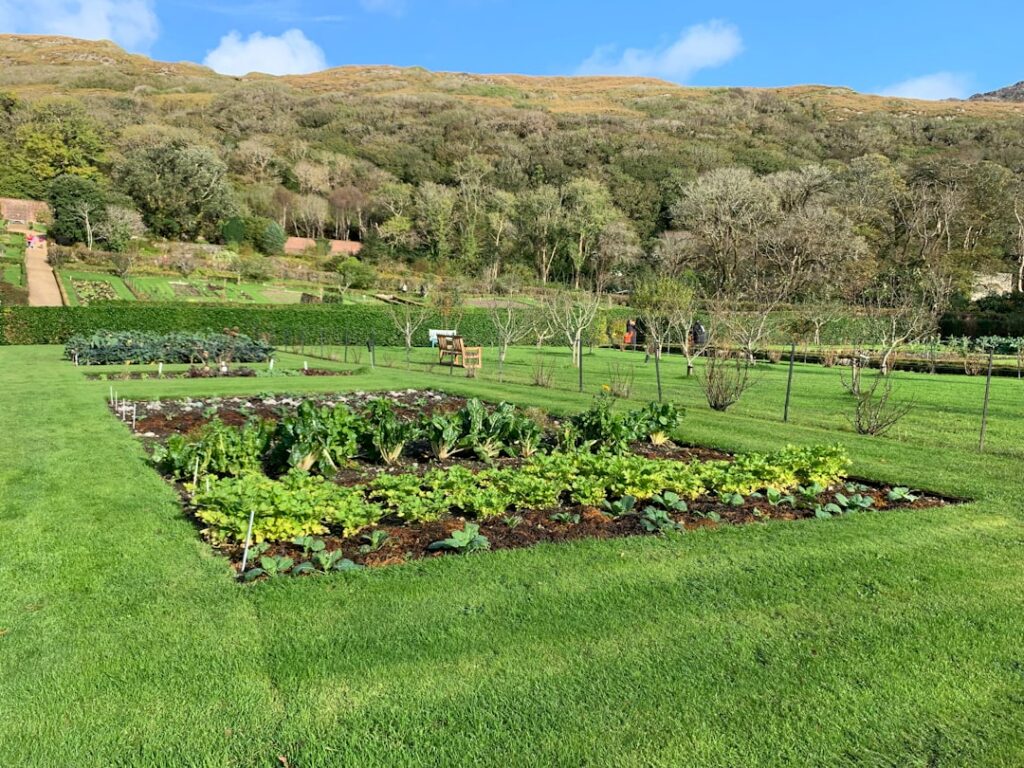
Here’s a guide to help you perfectly time your vegetable transplants, ensuring they thrive from day one:
1. 2–4 Weeks Before Last Frost (Hardy Transplants)
These are your tough cookies! Cold-hardy crops can withstand a light frost and actually prefer cooler temperatures for optimal growth. Starting them indoors early gives them a head start before they face the still-chilly outdoors.
- Conditions: Nights might still dip to freezing, but daytime temperatures are consistently cool.
- Examples: Broccoli, Cabbage, Kale, Collards, Spinach, Peas, Onions.
2. At Last Frost Date (Semi-Hardy Transplants)
Once the extreme danger of hard frost has passed, it’s time for these slightly less resilient vegetables. They appreciate cooler weather but are more susceptible to damage from hard freezes.
- Conditions: Frost danger has significantly diminished, but nights are still cool.
- Examples: Lettuce, Swiss Chard, Celery, Beets, Carrots, Radishes, Potatoes.
3. After Last Frost Date (Warm-Season Transplants)
Now we’re talking warmth! These plants absolutely despise cold and need consistently mild temperatures, especially at night. Waiting until after your last frost date is non-negotiable for these tender varieties.
- Conditions: Nights are consistently above 50°F (10°C).
- Examples: Tomatoes, Peppers, Eggplant, Beans, Sweet Corn.
4. 2 Weeks After Last Frost (Heat-Loving Transplants)
These sun-worshippers require both warm air and, crucially, warm soil to truly take off. Planting them too early in cold soil can lead to stunted growth or even rotting roots, making your efforts futile.
- Conditions: Soil temperatures are consistently 65°F (18°C) or higher. Wait until the soil has genuinely warmed up.
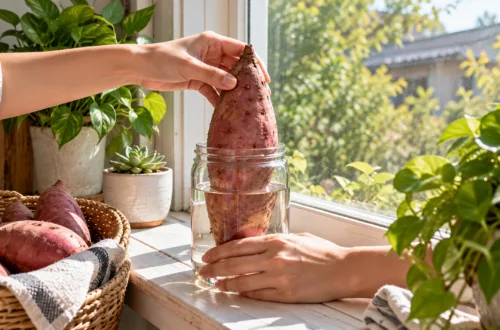
- Examples: Melons, Cucumbers, Squash (summer and winter), Pumpkins, Okra, Sweet Potatoes.
How to Find Your Last Frost Date
Knowing your average last frost date is key. You can easily find this information for your specific location:
- Local Extension Offices: Your county’s agricultural extension office is a fantastic resource.
- Online Tools: Websites like the Old Farmer’s Almanac or Dave’s Garden offer frost date calculators by zip code.
- Local Gardeners: Ask experienced gardeners in your area; they often have invaluable local knowledge.
Remember, these are average dates, so always keep an eye on the weather forecast. A late-season cold snap can still surprise you!
Conclusion
Mastering your planting calendar is one of the most rewarding steps you can take to achieve a vibrant and productive garden. By paying attention to those crucial frost dates and understanding the specific needs of your plants regarding soil temperature, you’ll protect your precious transplants from damage and set them up for success. No more wasted effort – just healthy, happy plants yielding a delicious harvest!
What are you planning to transplant this spring? Share your tips and tricks in the comments below!