Welcome, fellow garden enthusiasts! Are you dreaming of a vibrant, healthy garden that flourishes no matter the season? Whether you’re a seasoned green thumb or just starting your gardening journey, the secret to a thriving garden lies in consistent, thoughtful care. Gardening is a year-round adventure, and with the right knowledge, you can ensure your plants not only survive but truly thrive through every month.
At Garden – L. Quyên, we believe that gardening should be a joy, not a chore. That’s why we’ve put together this comprehensive guide, your year-round companion, packed with essential tips to help you nurture your plants and create the garden of your dreams. Let’s dig in!
Understanding Your Garden’s Core Needs
Before diving into seasonal specifics, let’s refresh our understanding of the fundamental elements every plant needs to thrive. These principles remain constant, regardless of the calendar month:
1. The Power of Good Soil
- Nutrition Hub: Soil isn’t just dirt; it’s the living foundation for your plants, providing nutrients, water, and anchorage.
- Organic Matter is Key: Regularly amend your soil with compost, well-rotted manure, or other organic materials. This improves drainage, aeration, and nutrient retention, making your soil a fertile haven.
- pH Balance: Understand your soil’s pH. Most plants prefer slightly acidic to neutral soil (pH 6.0-7.0), but some have specific preferences. A simple soil test kit can guide you.
2. Sun, Glorious Sun!
- Know Your Zones: Different plants have different light requirements – full sun, partial sun, or shade. Observe your garden throughout the day to understand how sunlight shifts.
- Plant Accordingly: Place sun-loving plants where they’ll get at least 6-8 hours of direct sunlight, and shade-lovers in protected spots.
3. Water Wisely
- Consistency is Crucial: Plants need consistent moisture, not sporadic drenching. The goal is moist, not soggy, soil.
- Deep Watering: Water deeply to encourage roots to grow downwards, making plants more resilient to dry spells. Shallow watering leads to weak, surface roots.
- Timing Matters: Water in the early morning to minimize evaporation and allow foliage to dry before nightfall, reducing fungal disease risk.
Seasonal Adaptations: Your Garden’s Calendar
While the core needs remain, how you address them changes with the seasons. Here’s a general overview:
Spring: The Season of New Beginnings
- Soil Preparation: As the ground thaws, amend your garden beds with fresh compost.
- Planting: Start seeds indoors or plant cool-season vegetables (lettuce, spinach, peas) and hardy annuals/perennials outdoors once the danger of frost has passed.
- Pruning: Prune dormant trees and shrubs before new growth begins.
Summer: Growth and Abundance
- Watering: This is often the most water-intensive season. Monitor moisture levels daily, especially for containers and newly planted specimens.
- Feeding: Provide supplemental nutrients for heavy feeders like fruiting vegetables and blooming annuals.
- Pest & Disease Watch: Be vigilant for pests and signs of disease. Address issues promptly with organic solutions.
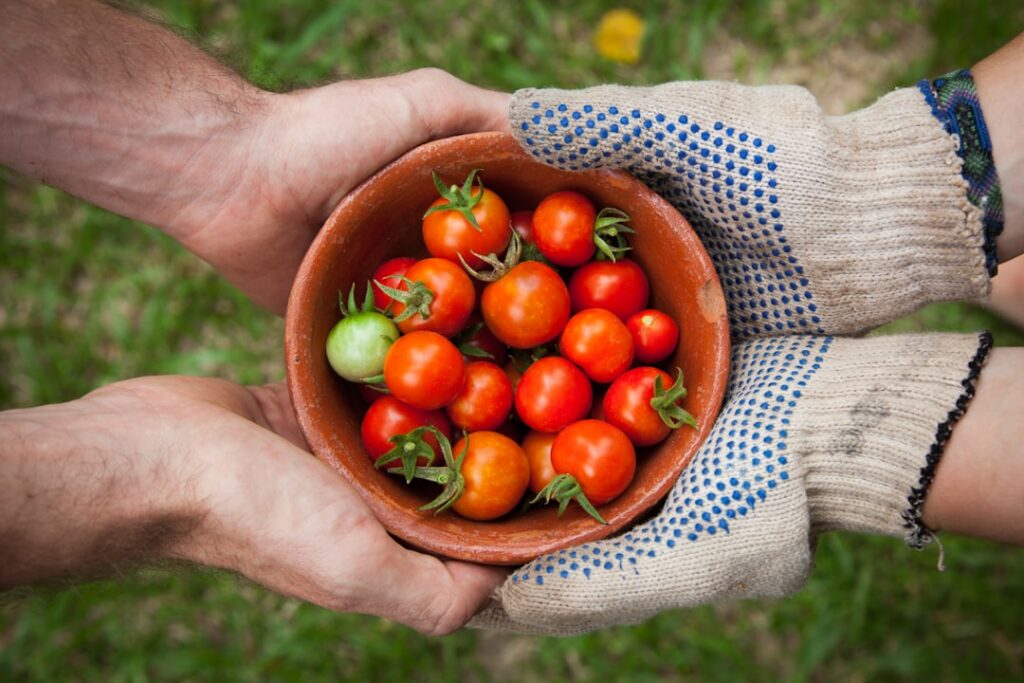
- Harvesting: Enjoy the fruits (and vegetables!) of your labor regularly to encourage more production.
Autumn: Preparation and Reflection
- Garden Cleanup: Remove spent annuals, diseased foliage, and fallen leaves to prevent pests and diseases from overwintering.
- Planting: It’s an excellent time to plant trees, shrubs, and perennials as the soil is still warm, but the air is cooler. Plant garlic and some cool-season crops.
- Mulching: Apply a thick layer of mulch to perennial beds to insulate roots and suppress weeds.
Winter: Rest and Planning
- Protection: Protect tender plants from frost with covers, mulching, or bringing them indoors.
- Tool Maintenance: Clean, sharpen, and oil your gardening tools for the next season.
- Plan Ahead: Pore over seed catalogs, design new garden layouts, and dream up next year’s planting schemes.
Ongoing Care for Happy Plants
- Regular Pruning: Deadhead spent flowers to encourage more blooms and prune shrubs/trees for shape, health, and vigor.
- Weed Control: Weeds compete for water and nutrients. Address them consistently, either by hand-pulling or mulching.
- Pest Management: Adopt an integrated pest management approach. Encourage beneficial insects, use physical barriers, and opt for organic pest control methods first.
- Composting: Start a compost pile! It’s a fantastic way to recycle kitchen scraps and garden waste into nutrient-rich soil amendments.
Troubleshooting Common Garden Woes
Even the most experienced gardeners encounter challenges. Don’t be discouraged if your plants occasionally struggle. Learning to identify and address common problems is part of the journey:
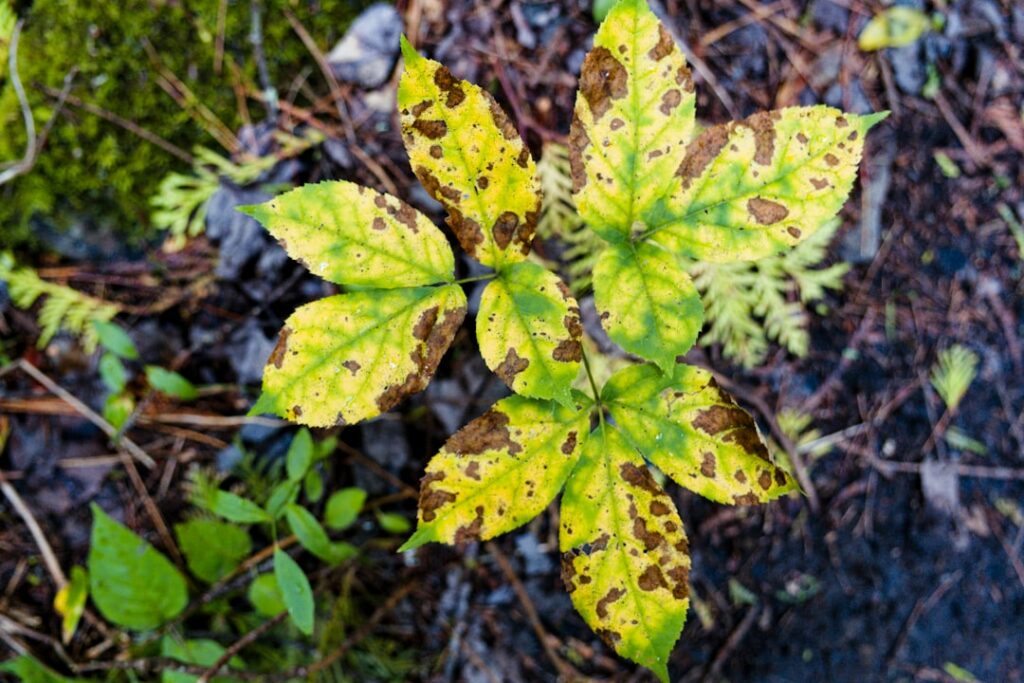
- Yellowing Leaves: Could indicate nutrient deficiency, overwatering, or underwatering. Check soil moisture and consider a balanced fertilizer.
- Wilting: Often a sign of too little or too much water. Feel the soil.
- Holes in Leaves: Inspect for pests. Identify the culprit and choose an appropriate organic treatment.
Embrace the Journey!
Gardening is a continuous learning process, full of experiments, triumphs, and occasional lessons learned. By staying attentive to your plants’ needs and adapting your care throughout the year, you’ll cultivate a vibrant, resilient garden that brings you joy and bounty. Remember, every moment spent in your garden is an investment in your well-being and the beauty of your home.
We hope this year-round guide becomes your trusted companion. Happy gardening!