Building truly strong bones goes far beyond just one nutrient. In fact, every single day, the choices we make at the grocery store and in our kitchens play a critical role in supporting their strength and resilience throughout life. Your bones are living tissue, constantly remodeling and rebuilding, and they depend on a steady supply of specific nutrients to stay dense and resilient.
This guide will help you understand which foods can be your allies in the quest for stronger bones and which ones you might want to limit. By making small, informed adjustments to your daily diet, you can significantly impact your bone health for a vibrant future.
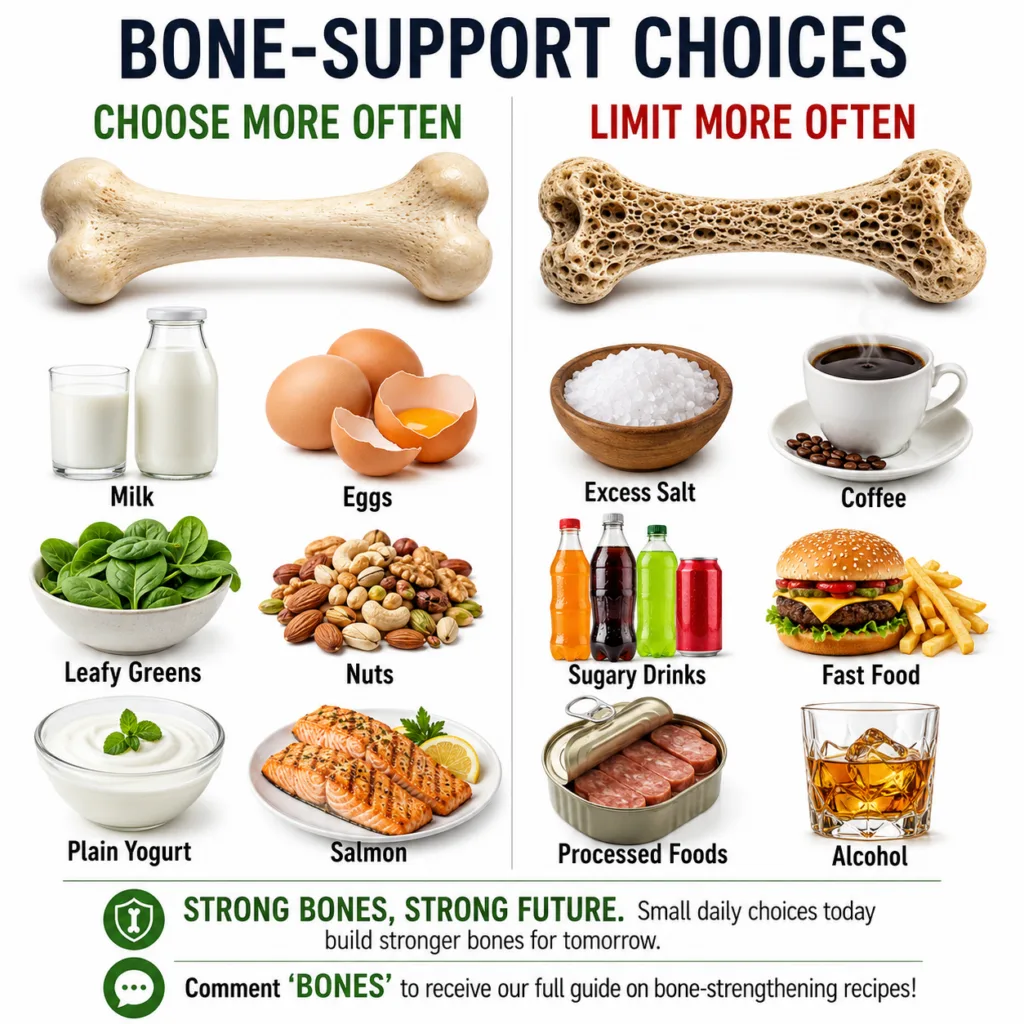
Foods to Choose More Often for Strong Bones
To keep your bones robust and healthy, focus on incorporating a variety of nutrient-rich foods into your daily meals. These choices provide the essential building blocks and supportive compounds your skeletal system needs.
Milk (and Fortified Alternatives)
Milk is a classic choice for bone health, primarily known for its calcium content. Calcium is the main mineral component of bones, providing strength and structure. Many milk varieties are also fortified with Vitamin D, which is crucial because it helps your body absorb calcium efficiently. If you’re lactose intolerant or prefer plant-based options, look for fortified plant milks (like almond, soy, or oat milk) that offer similar calcium and vitamin D levels.
Eggs
Eggs are a surprisingly good source of Vitamin D, particularly if they come from hens raised outdoors or fed fortified diets. Vitamin D plays a vital role in calcium absorption and bone mineralization, making eggs a valuable addition to your bone-healthy diet. They also provide high-quality protein, which is essential for bone matrix formation.
Leafy Greens
Don’t underestimate the power of leafy green vegetables like spinach, kale, collard greens, and broccoli. These nutritional powerhouses are rich in Vitamin K, which is essential for bone metabolism and helps regulate calcium in the body. They also provide a significant amount of calcium and magnesium, two other minerals vital for bone density.
Nuts
A handful of nuts can go a long way for your bones. Almonds, walnuts, and other nuts are packed with magnesium, which plays a role in calcium absorption and bone structure. They also offer phosphorus and small amounts of calcium, contributing to the overall mineral density of your bones. Just be mindful of portion sizes as they are calorie-dense.
Plain Yogurt
Like milk, plain yogurt is an excellent source of calcium and often contains Vitamin D if fortified. What makes yogurt particularly beneficial is its live active cultures (probiotics), which can support gut health. A healthy gut may indirectly contribute to better nutrient absorption, including those vital for bones. Always opt for plain varieties to avoid added sugars that can counteract benefits.
Grilled Salmon
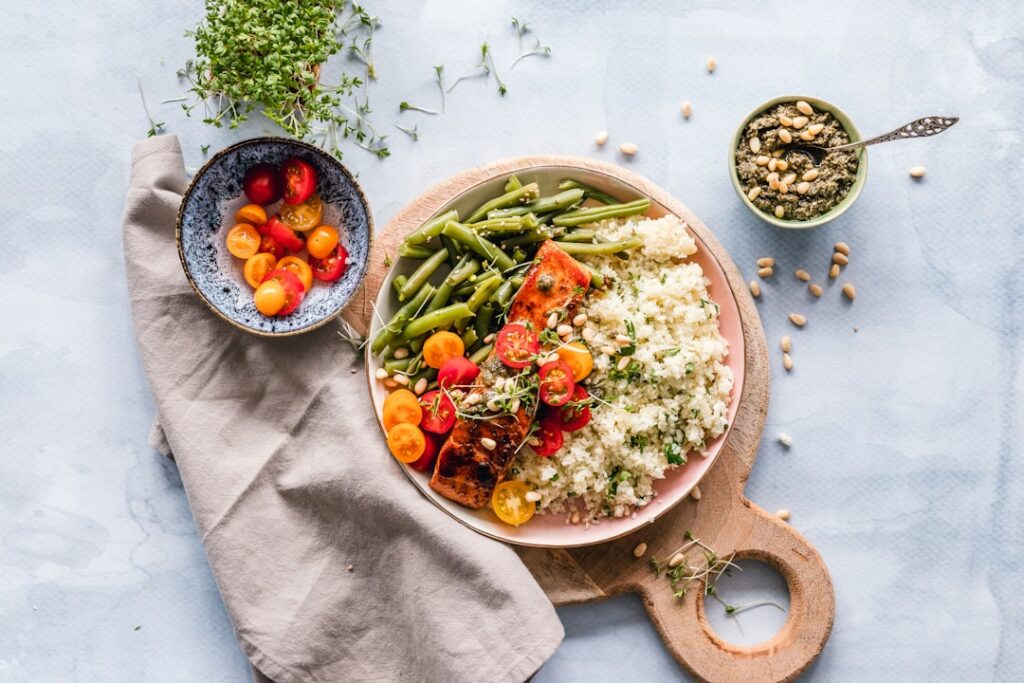
Fatty fish like salmon are among the best dietary sources of Vitamin D. Just a few servings a week can help you meet your daily Vitamin D needs. Salmon also provides beneficial omega-3 fatty acids, which may help reduce inflammation and support overall health, including that of your bones. Grilling is a healthy preparation method that preserves these nutrients.
Foods to Limit More Often for Better Bone Health
While focusing on nutrient-rich foods is paramount, it’s equally important to be aware of substances and food types that can negatively impact your bone health. Limiting these can prevent undue stress on your skeletal system.
Excess Salt
A diet high in sodium can lead to increased calcium excretion through urine. This means that your body loses calcium instead of retaining it for bone health. Pay attention to hidden salt in processed foods, canned goods, and restaurant meals, and season your home-cooked meals judiciously.
Coffee (in Excess)
While moderate coffee consumption is generally fine, excessive intake (more than 3-4 cups daily) has been linked to decreased calcium absorption and increased calcium loss from the body. If you’re a heavy coffee drinker, consider balancing it with plenty of calcium-rich foods and ensure adequate Vitamin D intake.
Sugary Drinks
Sodas and other sugary beverages often contain phosphoric acid, which, in very high amounts and combined with low calcium intake, could potentially disrupt the body’s natural phosphorus-calcium balance. Moreover, these drinks offer empty calories and displace more nutritious choices like milk or water, which would contribute positively to bone health.
Fast Food
Fast food meals are typically high in sodium, unhealthy fats, and often lack essential vitamins and minerals crucial for bone health. Regular consumption of fast food can contribute to a diet that is imbalanced and deficient in bone-supporting nutrients.
Processed Foods
Highly processed foods, such as packaged snacks, cured meats, and ready-to-eat meals, are frequently loaded with sodium, unhealthy fats, and artificial additives. They also tend to be low in the vitamins and minerals your bones truly need. Opting for whole, unprocessed foods whenever possible is a better strategy for overall and bone health.
Alcohol (in Excess)
Chronic and excessive alcohol consumption can interfere with the body’s ability to absorb calcium and Vitamin D. It can also impair the function of osteoblasts, the cells responsible for building new bone tissue, and may increase the risk of falls, leading to fractures. Moderation is key for bone health and overall well-being.
Strong Bones, Strong Future: Simple Choices for Lasting Health
The journey to stronger bones is built on consistent, mindful choices every single day. Just as small drops of water can carve canyons, your small daily dietary decisions accumulate to create a foundation of resilient bones that will support you for years to come.
By consciously choosing to incorporate more calcium, vitamin D, vitamin K, and magnesium-rich foods into your diet, and limiting those that can hinder nutrient absorption or accelerate bone loss, you’re investing in your future mobility, independence, and vitality.
Quick Bone-Strengthening Ideas:
- Start your day with a yogurt parfait layered with nuts and a sprinkle of greens (like baby spinach in a smoothie).
- Swap sugary drinks for water or unsweetened milk/fortified plant milk.
- Incorporate grilled salmon or other fatty fish into your dinner rotation twice a week.
- Snack on a handful of almonds instead of a bag of chips.
- Add leafy greens to every meal – in salads, sandwiches, or scrambled eggs.
Frequently Asked Questions About Bone Health & Diet
How much calcium do I really need for strong bones?
Adults typically need around 1,000 to 1,200 mg of calcium per day, depending on age and gender. This can be achieved through a combination of dairy products, fortified plant-based alternatives, leafy greens, and other calcium-rich foods.
Can I get enough Vitamin D from food alone?
While foods like fatty fish and fortified products contain Vitamin D, it can be challenging to meet daily requirements solely through diet. Sun exposure is another significant source, and some individuals may benefit from supplementation, especially in regions with limited sunlight. Always consult a healthcare professional regarding supplementation.
Are there any vegetarian or vegan options for strong bones?
Absolutely! Leafy greens, fortified plant milks and yogurts, tofu (calcium-set), almonds, and fortified cereals are excellent plant-based sources of calcium, Vitamin K, and magnesium. Vegans and vegetarians should pay extra attention to ensuring adequate intake of these nutrients.