Transform Your Kitchen Waste into Garden Gold!
Gardening is more than just planting seeds and watering; it’s about nurturing life and creating beauty. But what if we told you that some of the best nutrients for your vibrant garden plants might already be in your kitchen? That’s right! Many everyday kitchen scraps, often tossed into the bin, are packed with essential vitamins and minerals that can supercharge your garden naturally.
At Garden – L. Quyên, we’re all about smart, sustainable, and simple gardening solutions. Today, we’re diving deep into the world of natural fertilizers made from kitchen waste, focusing on the incredible benefits of natural cooking water and other easy-to-use scraps. Get ready to turn your kitchen into a hidden treasure trove for your plants!
The Magic of Natural Cooking Water Fertilizer
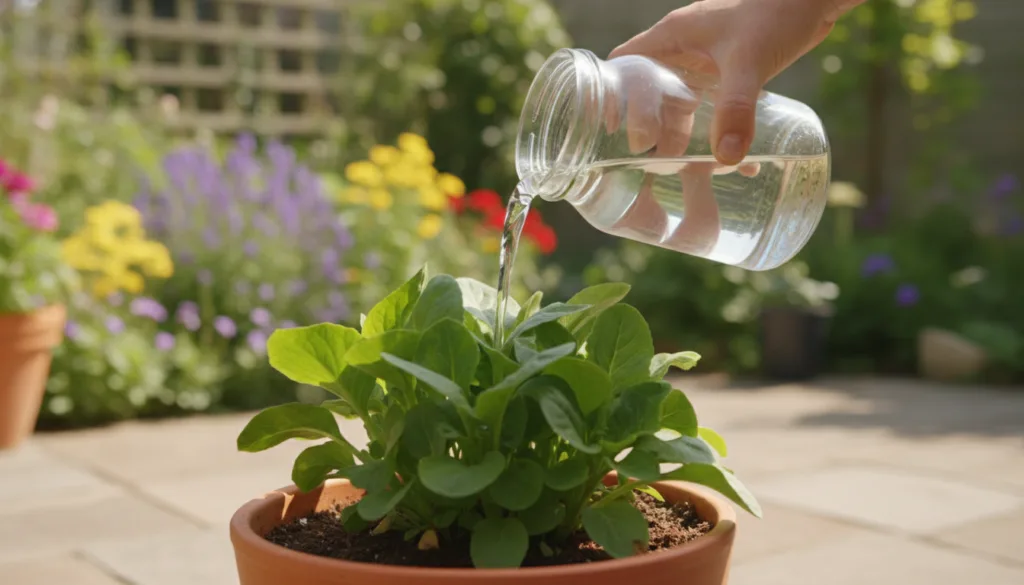
One of the easiest and most overlooked natural fertilizers comes straight from your stovetop: the water you use to boil vegetables, pasta, or rice. Instead of pouring it down the drain, let’s redirect that nutrient-rich liquid to your thirsty plants!
Why Cooking Water is a Game-Changer:
- Nutrient Boost: When you boil vegetables, minerals and vitamins leach into the water. This includes things like potassium, phosphorus, calcium, and even some nitrogen, all crucial for plant growth, flowering, and fruiting.
- Root Development: The starches in pasta or rice water can encourage beneficial soil microbes, improving soil structure and supporting healthier root systems.
- Waste Reduction: It’s a fantastic way to practice sustainable living, reducing waste and reusing resources.
- Cost-Effective: It’s completely free! You’re using something you’d otherwise discard.
How to Use Cooking Water Effectively:
- Cool It Down: Always ensure the water has cooled completely to room temperature before applying it to your plants. Hot water can shock and damage roots.
- Avoid Salt: This is crucial. Never use water that has been salted (e.g., heavily salted pasta water). Excess salt can dehydrate plants and damage soil. If you boil vegetables, consider doing so without salt if you plan to use the water for your garden.
- Dilute if Necessary: For very starchy water (like rice water), you might want to dilute it slightly with plain water, especially for delicate seedlings or indoor plants.
- Apply Directly to Soil: Water your plants at the base, allowing the nutrients to soak into the root zone.
- Frequency: You can use cooking water once every couple of weeks, or whenever you have a salt-free batch available. Observe your plants’ response.
Beyond Cooking Water: Other Kitchen Scraps Your Garden Will Love
The culinary water is just the beginning! Many other kitchen discards can become invaluable resources for your garden.
Banana Peels for Potassium Power
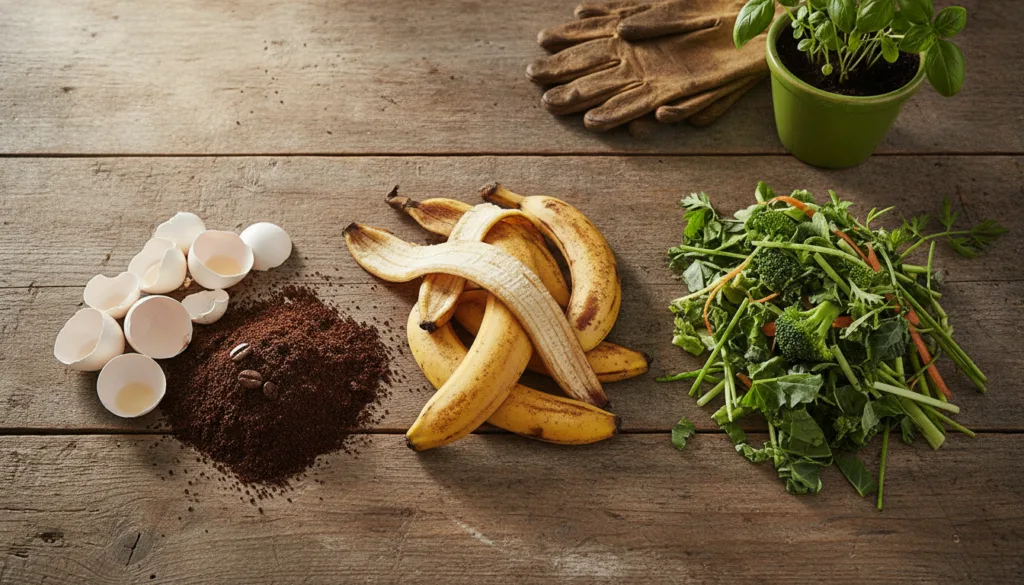
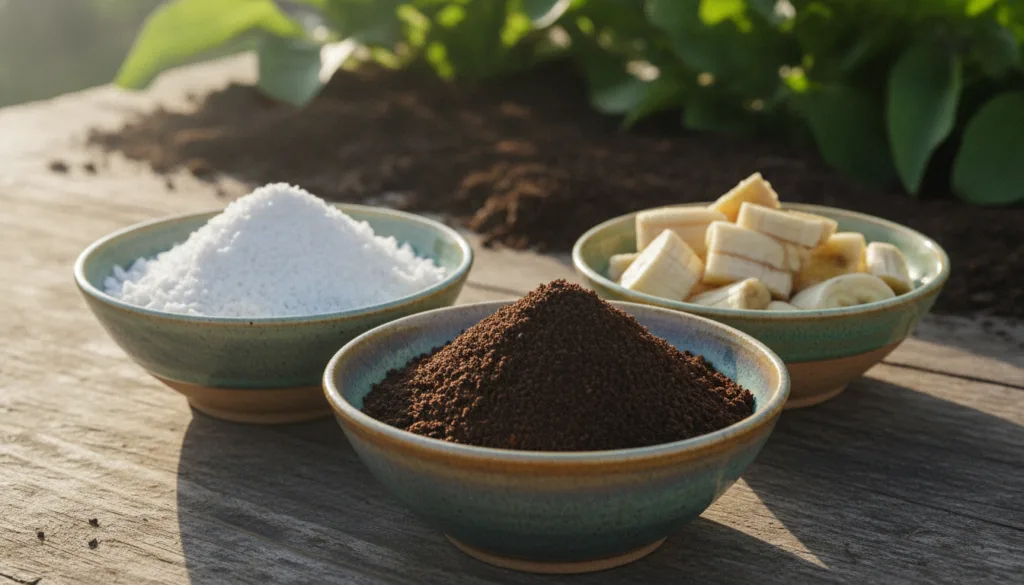
Banana peels are a fantastic source of potassium, which is vital for strong stems, root development, and flower production. They also contain phosphorus and calcium.
- Method 1 (Direct Burial): Chop peels into small pieces and bury them a few inches deep near the base of potassium-loving plants like roses, tomatoes, and peppers.
- Method 2 (Banana Peel Tea): Soak chopped peels in water for a few days to create a potassium-rich liquid fertilizer. Dilute and use to water your plants.
Eggshells for Calcium Boost
Crushed eggshells provide calcium, essential for cell wall development and preventing blossom end rot in tomatoes and peppers.
- Preparation: Wash and dry eggshells thoroughly. Crush them into a fine powder for quicker absorption or larger pieces for slow release.
- Application: Mix into the soil when planting, sprinkle around the base of established plants, or add to your compost pile.
Coffee Grounds for Acid-Loving Plants
Coffee grounds add nitrogen, phosphorus, and potassium to the soil, and their slightly acidic nature is beloved by plants like blueberries, hydrangeas, azaleas, and roses.
- Application: Sprinkle a thin layer around the base of acid-loving plants. Be careful not to apply too thickly, as it can compact and impede water penetration.
- Composting: They’re also excellent additions to compost piles, helping to balance the carbon-nitrogen ratio.
Important Tips for Using Kitchen Scraps
- Balance is Key: While kitchen scraps are beneficial, they aren’t a complete fertilizer. They supplement your soil’s health, but for specific nutrient deficiencies, you might still need targeted solutions.
- Avoid Fats and Meats: Never add oily, fatty, or meat scraps directly to your garden or compost. They can attract pests and create unpleasant odors.
- Chop Small: Smaller pieces break down faster, making nutrients available to plants more quickly.
- Observe Your Plants: Every plant and garden is unique. Pay attention to how your plants respond to these natural amendments.
Start Your Sustainable Garden Journey Today!
Embracing kitchen scraps in your gardening routine is a wonderful step towards a more sustainable and vibrant garden. It reduces waste, enriches your soil, and connects you more deeply with the natural cycles of growth and renewal. Give these methods a try and watch your garden flourish!
Do you have a favorite kitchen scrap you use in your garden? Share your tips and tricks with the Garden – L. Quyên community in the comments below! Happy gardening!