Unlock the Secret: This Humble Garden Plant Reportedly Supports Vision and Battles Cataracts
Many of us experience the gradual blurring of vision, the strain from digital screens, or the natural concerns about age-related eye changes. The quest for clarity often leads us down complex paths, yet sometimes, the most unexpected support can be found in nature’s simplest offerings. What if a modest plant, often overlooked in our gardens, held ancient wisdom for nourishing our precious eyesight?
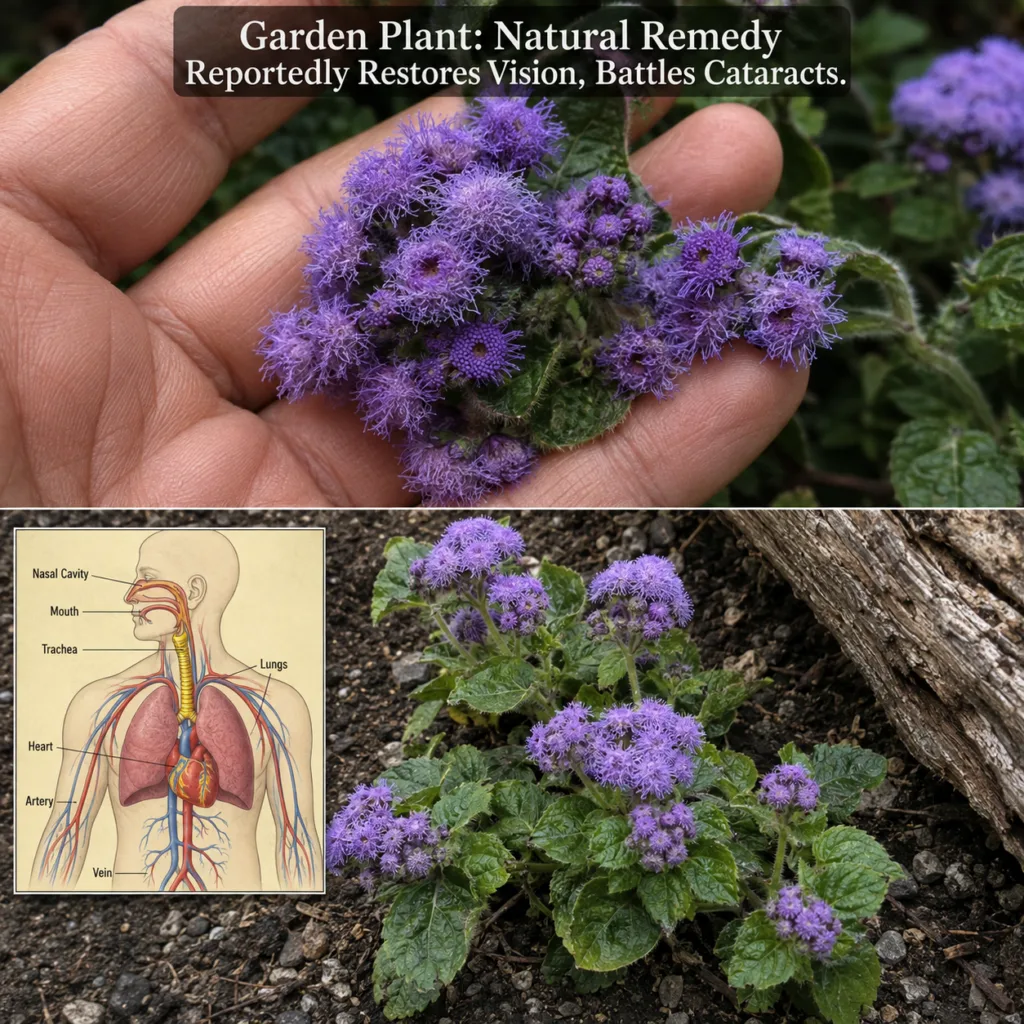
Most people never realize this works because they underestimate the enduring power and subtle properties found in traditional botanical allies. Today, we delve into the lore of Eyebright, a plant long cherished for its reported potential to naturally support vision and aid against conditions like cataracts.
Ingredients
- 1 teaspoon dried Eyebright herb (Euphrasia officinalis)
- 1 cup hot water
How to Prepare
Preparing an Eyebright infusion (tea) is straightforward, allowing you to easily incorporate this traditional herb into your routine:
- Bring one cup of fresh water to a boil.
- Place one teaspoon of dried Eyebright herb into a tea infuser or directly into a mug.
- Pour the hot water over the herb.
- Cover the mug and let it steep for 5-10 minutes. This allows the beneficial compounds to properly infuse into the water.
- Strain the herb out if using directly, and your Eyebright tea is ready.
How to Use + Best Time to Take
For general wellness and traditional eye support, consuming Eyebright tea internally is a common method.
- Internal Use (Tea): Drink one cup of Eyebright tea once or twice daily. Many find it pleasant to sip in the morning to start their day or in the evening to wind down. Consistency is key when exploring herbal remedies.
- Best Time: It can be consumed on an empty stomach or after meals, depending on personal preference.
Caution: While traditionally used as an eyewash, we strongly advise against direct application to the eyes without strict medical guidance and sterile preparations due to the delicate nature of eye health and the risk of irritation or infection. Always consult a healthcare professional before attempting any topical eye treatments.
Why It Works (Science Insight)
Eyebright has been a staple in traditional wellness for centuries, and modern understanding points to its complex array of compounds as the basis for its reputed benefits. This herb is known to contain:
- Iridoid Glycosides: Such as aucubin, which are believed to contribute to its anti-inflammatory properties. Reducing inflammation can be beneficial for overall eye comfort and health.
- Flavonoids: These powerful antioxidants help combat oxidative stress in the body, which is a factor in cellular aging and damage. Protecting cells, including those in the eyes, from oxidative stress is a key aspect of maintaining long-term health.
- Tannins: Known for their astringent qualities, tannins may help tighten and tone tissues, which traditionally contributed to its use for eye conditions.
- Phenolic Acids: These compounds also possess antioxidant benefits, further supporting the body’s natural defenses.
Together, these components may help support the body’s natural ability to maintain healthy circulation and reduce inflammation, traditionally believed to be beneficial for vision and ocular comfort. It’s often associated with promoting a healthy environment for the eyes.
Who Benefits Most
Eyebright may be a beneficial addition for:
- Individuals seeking traditional, natural support for general eye wellness.
- Those experiencing mild eye strain or fatigue from prolonged screen use.
- People interested in exploring historical herbal remedies for overall health, including traditional applications for vision.
- Anyone looking for botanical support to complement their existing eye care routine.
Quick Notes / Safety / Simple Adjustments
- Consult a Professional: Always consult with a healthcare provider or a qualified herbalist before beginning any new herbal regimen, especially if you have pre-existing eye conditions, are pregnant, breastfeeding, or taking other medications. Eyebright should not replace prescribed medical treatments for serious eye conditions like cataracts.
- Allergies: If you have allergies to plants in the Scrophulariaceae (figwort) family, exercise caution.
- Quality Matters: Source high-quality, organic dried Eyebright herb from reputable suppliers to ensure purity and potency.
- Storage: Store dried Eyebright in an airtight container in a cool, dark place to maintain its freshness.
- Listen to Your Body: Pay attention to how your body responds to the herb. If any adverse reactions occur, discontinue use and consult a professional.