Most people ignore it, considering it nothing more than a stubborn garden weed. But what if the very plant you try to eradicate holds more potential than you realize? This common garden guest, with its bright yellow flowers and resilient nature, is a treasure trove of practical applications when you know how to harness its overlooked properties.
We’re talking about Dandelion (Taraxacum officinale), a plant so common it often goes unnoticed, yet its leaves, roots, and flowers have been utilized for centuries in various preparations. From simple teas to more complex infusions, understanding this plant’s anatomy and how to prepare it can unlock a world of practical remedies right in your backyard.
What is Dandelion and Why Should You Care?
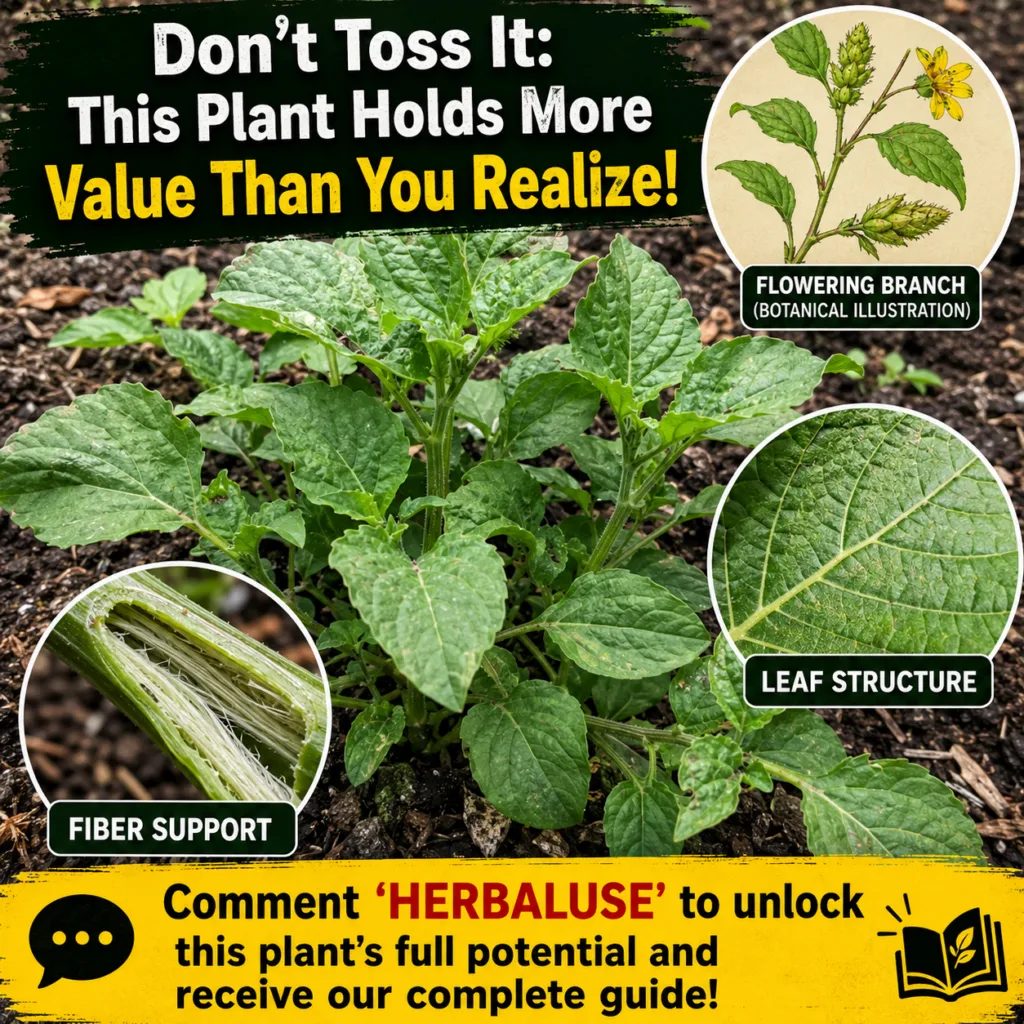
Dandelion (Taraxacum officinale) is a perennial herbaceous plant easily recognized by its distinctive bright yellow flowers, deeply lobed leaves arranged in a rosette, and a robust taproot. While many gardeners view it as an invasive species, herbalists have long recognized its value. Every part of the dandelion – the leaves, flowers, and especially the root – can be used for different preparations, each offering unique properties.
Unlike many plants where only a specific part is useful, the dandelion offers versatility. Its leaves are often incorporated into salads or green smoothies, while the flowers can be used to make wine or infused oils. However, it’s the root that often garners the most attention in traditional preparations.
Ingredients for a Simple Dandelion Leaf & Root Infusion
A simple infusion is one of the easiest ways to experience the dandelion’s properties. This recipe focuses on both the leaves and the root, providing a balanced and effective preparation.
- Fresh Dandelion Leaves: 1 cup, loosely packed
- Fresh Dandelion Root: 1-2 small roots (about 1-inch pieces), scrubbed clean
- Filtered Water: 2 cups
Fresh vs. Dried Dandelion: A Quick Comparison
Both fresh and dried dandelion can be used, but they offer slightly different experiences and shelf lives.
| Feature | Fresh Dandelion | Dried Dandelion |
|---|---|---|
| Potency | Generally considered more vibrant for immediate use | Concentrated, easier for long-term storage |
| Flavor | Grassy, slightly bitter | More intensely bitter, earthy |
| Preparation | Requires thorough cleaning, immediate use | Ready to use, no immediate cleaning needed |
| Shelf Life | Few days in the refrigerator | Up to 1 year in an airtight container |
| Availability | Seasonal, wild-harvested | Year-round, purchased or home-dried |
Formula / Recipe: Dandelion Leaf & Root Infusion
This infusion is designed to be a gentle yet effective way to introduce dandelion into your routine. Remember, precision is less critical than cleanliness and proper preparation.
Approximate Measurements:
- 1 cup fresh dandelion leaves
- 1-2 small fresh dandelion roots (about 1-inch pieces)
- 2 cups filtered water
Step-by-Step Method:
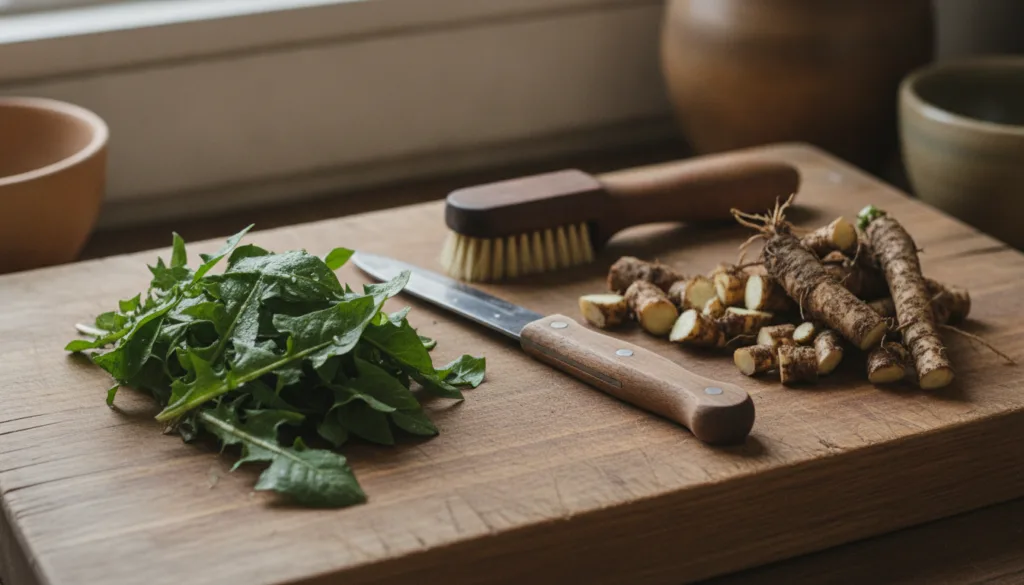
- Harvest and Clean: Carefully harvest dandelion leaves and roots from an untreated area. Wash them thoroughly under cold running water to remove any soil or debris. For the roots, a stiff brush can be helpful.
- Chop: Roughly chop the dandelion leaves. Slice or dice the roots into small pieces (about 1/4 inch thick) to maximize surface area for extraction.
- Combine: Place the chopped leaves and root pieces into a heat-resistant glass jar or a French press.
- Heat Water: Bring 2 cups of filtered water to a boil.
- Pour and Steep: Pour the boiling water over the dandelion material in the jar. Cover tightly with a lid to prevent volatile compounds from escaping. Let it steep for at least 15-20 minutes. For a stronger infusion, you can steep for up to an hour or even overnight once it has cooled to room temperature.
- Strain: Strain the liquid using a fine-mesh sieve or cheesecloth, pressing down on the solids to extract all the liquid. Discard the solids.
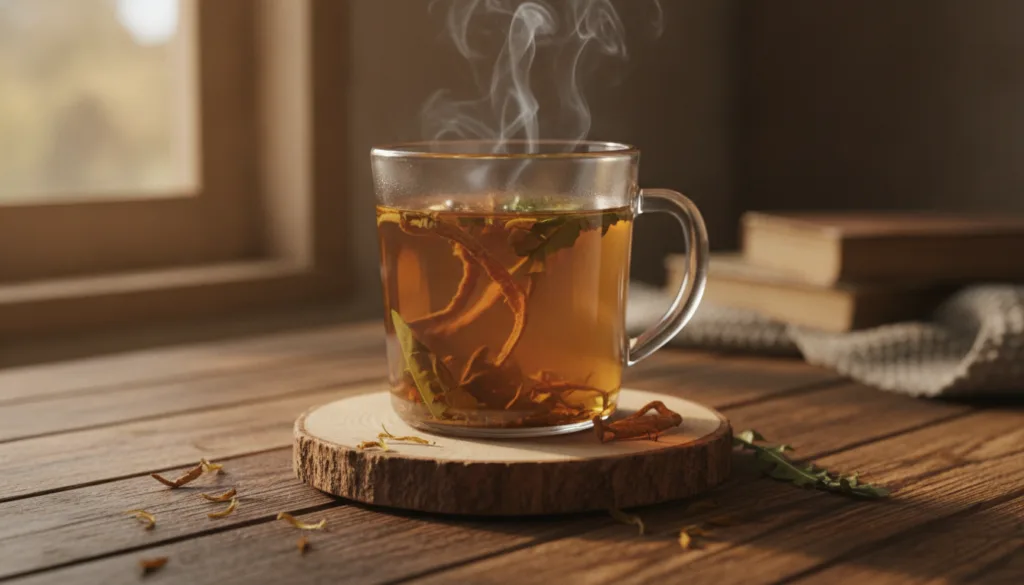
- Serve: Your dandelion infusion is ready. You can drink it warm or chilled.
How to Use Your Dandelion Infusion
This infusion can be enjoyed as a standalone beverage. Its slightly bitter taste can be an acquired preference, but many find it refreshing and invigorating. You can sweeten it with a touch of honey or stevia if desired, or add a slice of lemon for brightness.
Quick Tip: For a less bitter taste, harvest younger dandelion leaves, which are typically milder than mature ones.
How Often to Use
For general wellness support, a common recommendation is to drink 1 cup of dandelion infusion 1-2 times a day. It’s often suggested to consume it before meals to help stimulate digestion. Consistency is key, but always listen to your body and adjust as needed.
How to Buy / How to Choose Ingredients
The best way to source dandelion is often from your own garden or a trusted wild-harvesting spot, provided you are absolutely certain the area is free from pesticides, herbicides, and heavy metals. Look for plants growing in clean, undisturbed soil, away from roadsides or industrial areas. If wild-harvesting isn’t an option, you can often find dried dandelion leaves and roots at reputable herbal supply stores or online. Ensure they are organically sourced to avoid chemical contaminants.
Did You Know? The best time to harvest dandelion roots for their properties is typically in the fall or early spring when their energy is concentrated below ground.
Storage
Once prepared, your dandelion infusion should be stored in an airtight container in the refrigerator. It will generally keep for 2-3 days. For longer storage of raw ingredients:
- Fresh Leaves & Roots: Can be stored in a perforated bag in the refrigerator for up to 3-5 days.
- Dried Leaves & Roots: Store in a cool, dark, airtight container for up to 1 year. Ensure they are completely dry before storage to prevent mold.
Practical Tips for Dandelion Prep
- Harvesting: Use a small trowel or a weeding fork to dig up roots without breaking them.
- Drying: If drying your own, spread clean leaves and chopped roots in a single layer on a drying screen in a well-ventilated, dark area. Alternatively, use a food dehydrator on a low setting.
- Flavor Enhancement: If the bitterness is too strong, try blending the infusion with a little apple juice or incorporating it into a smoothie.
Common Mistakes to Avoid
- Harvesting from Contaminated Areas: Picking dandelions from roadsides, parks, or lawns treated with pesticides can introduce harmful chemicals into your remedy. Always choose pristine locations.
- Not Cleaning Thoroughly: Dandelion roots and leaves can hold a lot of soil. Inadequate washing can lead to a gritty infusion.
- Boiling Instead of Steeping: Boiling delicate plant materials for too long can destroy beneficial compounds. An infusion requires hot, not boiling, water, and a controlled steep time.
- Improper Drying: If drying your own, insufficient drying can lead to mold growth, rendering your harvest unusable.
- Confusing with Look-Alikes: While dandelion is distinctive, ensure you can positively identify it before consumption. Some similar-looking plants may not offer the same properties or could be undesirable.
Cautions / Who Should Avoid It
While generally considered safe for most people, certain individuals should exercise caution or avoid dandelion:
- Allergies: People allergic to plants in the Asteraceae/Compositae family (like ragweed, chrysanthemums, marigolds) may also be allergic to dandelion.
- Gallbladder Issues: Dandelion can stimulate bile flow, which might be problematic for individuals with gallstones or bile duct obstruction. Consult a healthcare provider.
- Kidney Issues: Due to its diuretic properties, those with kidney conditions should consult a doctor before use.
- Medication Interactions: Dandelion may interact with certain medications, including diuretics, blood thinners, and lithium. Always consult with a healthcare professional if you are on medication.
- Pregnancy and Breastfeeding: Limited research is available; consult a doctor before using.
Quick Summary: Your Dandelion Infusion Guide
- Best Preparation: Simple hot water infusion of leaves and chopped roots.
- Best Use-Case: Enjoy as a daily beverage for general wellness.
- Storage: Infusion lasts 2-3 days refrigerated; dried plant material up to 1 year.
- When to Use: 1-2 cups daily, ideally before meals.
- What to Avoid: Contaminated harvesting sites, inadequate cleaning, boiling, and improper drying.
FAQ: Common Dandelion Questions
- Can I use fresh or dried dandelion? Both are effective. Fresh offers a vibrant flavor, while dried is convenient for year-round use and storage.
- How long does the fresh infusion last? Store it in the refrigerator for up to 2-3 days.
- Can I refrigerate the infusion? Yes, store in an airtight container in the fridge.
- How often should I use this infusion? 1-2 cups per day is a common recommendation, but adjust based on your body’s response.
- Can I freeze dandelion leaves or roots? You can blanch and freeze leaves for cooking, or chop and freeze roots, though drying is generally preferred for long-term storage for infusions.
- What part of the dandelion is best for infusion? A combination of leaves and roots provides a broader spectrum of properties.
- Can I reuse the dandelions after steeping? It’s not recommended. Most beneficial compounds are extracted in the first steep.
- When should I avoid dandelion? If you have allergies to related plants, gallbladder issues, kidney issues, or are on certain medications, consult a doctor.
Conclusion
The humble dandelion, often seen as a nuisance, is truly a remarkable plant when approached with knowledge and respect. By learning to identify, harvest, and prepare it correctly, you can unlock a practical, natural addition to your wellness routine. This isn’t about magical fixes, but about harnessing the straightforward properties of a plant that nature provides in abundance.
You may also like: The Complete Guide to Drying Herbs for Long-Term Storage
Read more: Identifying Common Wild Edibles in Your Backyard