Have you ever cracked open an egg and wondered why some yolks are a vivid, deep orange, while others are a pale yellow? It’s a common question, and the answer is surprisingly simple and fascinating! The color of an egg yolk, along with other unique features you might observe, offers a glimpse into the life and diet of the hen that laid it.
At Wellness Daily, we believe understanding the food you eat is a key part of healthy living. Let’s crack open the mysteries behind egg yolk colors and other interesting characteristics!
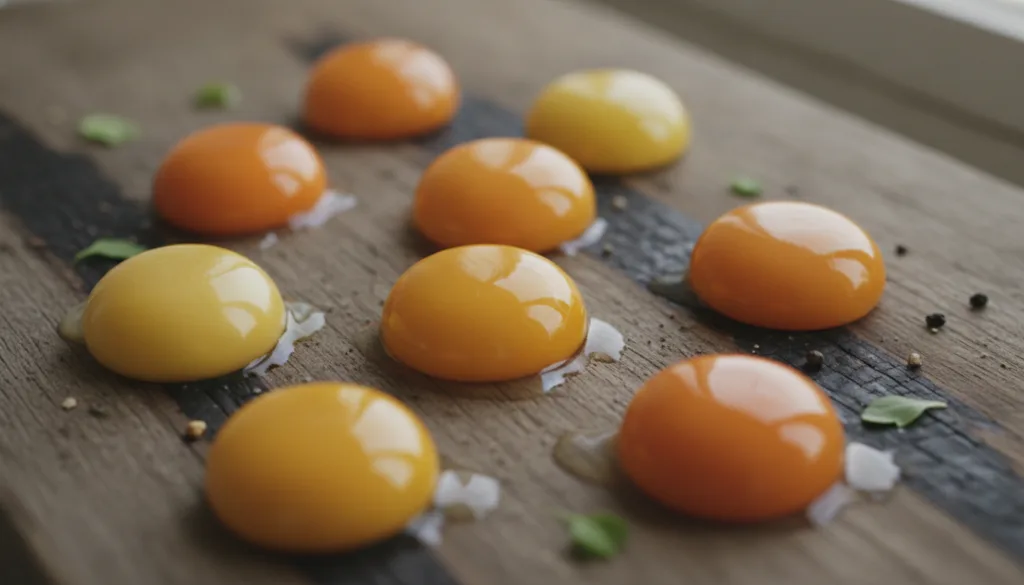
What Makes Egg Yolks Different Colors? It’s All About Diet!
The primary factor influencing egg yolk color is the hen’s diet, specifically the presence of naturally occurring pigments called carotenoids. Carotenoids are organic pigments found in plants, algae, and photosynthetic bacteria, responsible for the red, orange, and yellow colors in many fruits, vegetables, and flowers.
The Role of Carotenoids
- Yellow & Orange Yolks: Hens that consume feed rich in yellow-orange carotenoids, such as those found in yellow corn, alfalfa, and marigold petals, will typically produce yolks that are a deeper yellow or even orange.
- Lighter Yolks: If a hen’s diet is primarily wheat or barley, which contain fewer carotenoids, the yolks will tend to be a paler yellow.
- Green Forage: Hens with access to lush green pastures and a diet of insects and fresh greens will often lay eggs with vibrant, deep orange yolks due to the carotenoids like lutein and zeaxanthin present in the chlorophyll.
It’s important to note that many commercial feeds are carefully formulated to include natural carotenoid sources to achieve a desired yolk color, as consumers often associate deeper colors with quality.
Does Yolk Color Impact Nutrition?
This is a common misconception! While a hen’s diet directly affects yolk color, a darker yolk doesn’t automatically mean it’s more nutritious. Research suggests that the nutritional value—including protein, fat, vitamins, and minerals—is largely consistent across different yolk colors. The primary nutritional differences in eggs usually stem from factors like the hen’s overall health, breed, and whether the eggs are fortified with extra nutrients (e.g., omega-3s) through specialized feed.
So, whether your yolk is pale yellow or deep orange, you’re still getting a powerhouse of nutrition!
Beyond Color: Unique Egg Features Explained
Sometimes, when you crack an egg, you might notice other interesting characteristics. Let’s demystify a few of them:
1. The Chalaza: Those Little White Ropes
Ever seen a twisted, white, rope-like strand attached to the yolk? That’s the chalaza (pronounced kuh-LAY-zuh), and it’s completely normal and edible! Eggs have two chalazae, one on each side of the yolk, which act like natural anchors, holding the yolk securely in the center of the egg. They are made of mucin, a protein, and their prominence indicates the freshness of an egg – the more visible, the fresher the egg!
2. Double Yolks: A Rare Treat
Finding a double yolk is like hitting the jackpot for some! This phenomenon occurs when a hen releases two yolks into the oviduct simultaneously, and they are both encased within the same shell. Double yolks are most commonly laid by young hens whose reproductive systems are still maturing, or by older hens with highly productive cycles. They are perfectly safe to eat and just twice the fun!
3. Blood Spots: Natural & Harmless
Occasionally, you might find a tiny red or brown spot on an egg yolk or in the albumen (egg white). These are called blood spots or meat spots. They occur when a tiny blood vessel ruptures on the surface of the yolk during its formation. While they can be surprising, blood spots are harmless and do not indicate a fertilized egg or spoilage. You can simply remove them with the tip of a knife if you prefer, or eat them as is.
Embracing the Natural Diversity of Eggs
From the spectrum of yolk colors to unique features like chalazae and double yolks, eggs offer a wonderful example of natural diversity. These characteristics are normal, harmless, and often tell a story about the hen’s life and diet. So next time you crack an egg, you’ll have a deeper understanding and appreciation for its natural wonders!
Disclaimer: This article is for informational purposes only and is not intended to be a substitute for professional medical advice, diagnosis, or treatment. Always seek the advice of your physician or other qualified health provider with any questions you may have regarding a medical condition.