Create a Butterfly Puddle Station: Your Simple Guide to Attracting Winged Wonders
Imagine your garden abuzz with the delicate dance of butterflies, their vibrant wings adding a touch of magic to your outdoor space. While we often focus on nectar-rich flowers to attract these beautiful pollinators, there’s another crucial element many gardeners overlook: a source for ‘puddling.’ Puddling isn’t just a quirky behavior; it’s a vital activity where butterflies extract essential minerals and nutrients from damp soil and water. Creating a dedicated butterfly puddle station is one of the easiest and most rewarding DIY projects you can undertake, providing a little ‘spa day’ for your garden’s winged visitors and significantly enhancing your backyard ecosystem. Let’s explore how to build this simple, life-giving oasis.
The Core Principle: Why Butterflies Need a Puddle Station
Butterflies, like all living creatures, need water to survive. However, unlike many animals that simply drink from open water, butterflies often engage in a behavior called ‘puddling.’ This involves gathering on moist soil, sand, or even decaying matter to sip water and absorb dissolved minerals such as sodium, amino acids, and other trace elements. These nutrients are particularly important for male butterflies, aiding in reproduction, but they benefit females and juveniles too, contributing to overall health and longevity.
While your garden might offer plenty of flowers for nectar, a dedicated puddling station provides a concentrated source of these vital minerals, which flowers typically don’t supply in sufficient quantities. By offering this specialized resource, you’re not only attracting more butterflies but also supporting their health and reproductive success, making your garden a true haven for these enchanting insects.
Crafting Your Butterfly Oasis: A Step-by-Step Guide
Building a butterfly puddle station is incredibly simple and requires only a few common garden items. Here’s how to create your own:
Choosing Your Vessel: The Perfect Pot
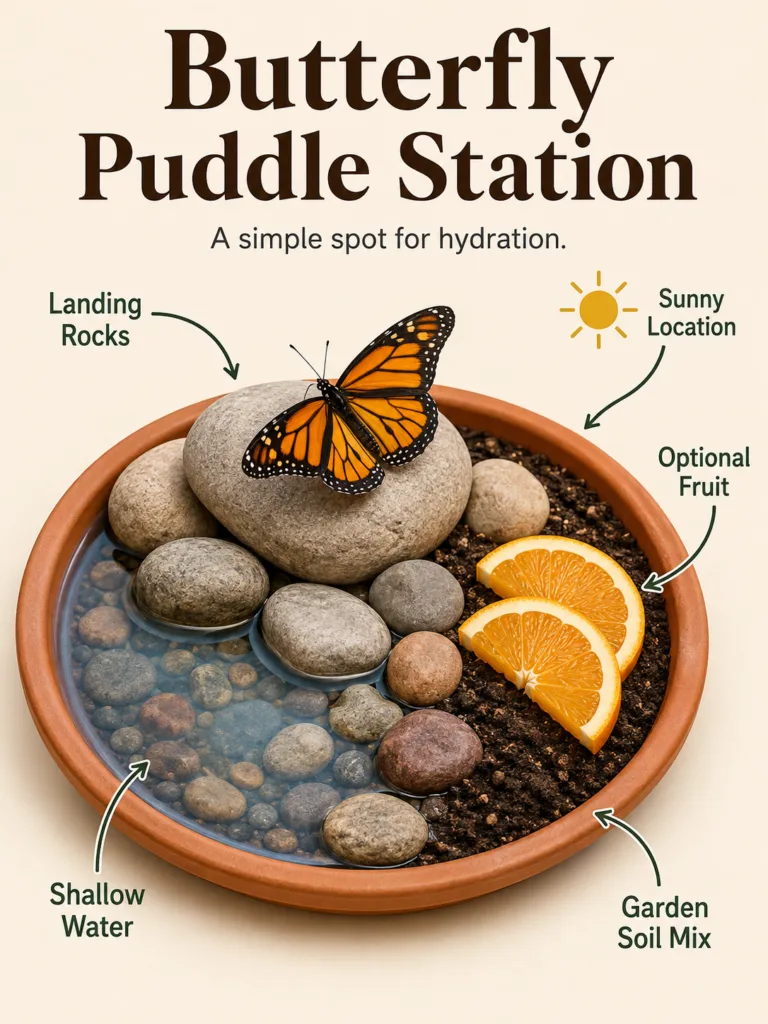
The foundation of your puddle station is a shallow container. A terracotta saucer, a bird bath, or even an old, wide plant pot with drainage holes will work perfectly. The key is shallowness – butterflies are not strong swimmers and need easy access to the water and damp surfaces without risk of drowning. Opt for a container that is at least 10-12 inches in diameter to provide ample space for multiple visitors.
The Hydration Zone: Rocks and Shallow Water
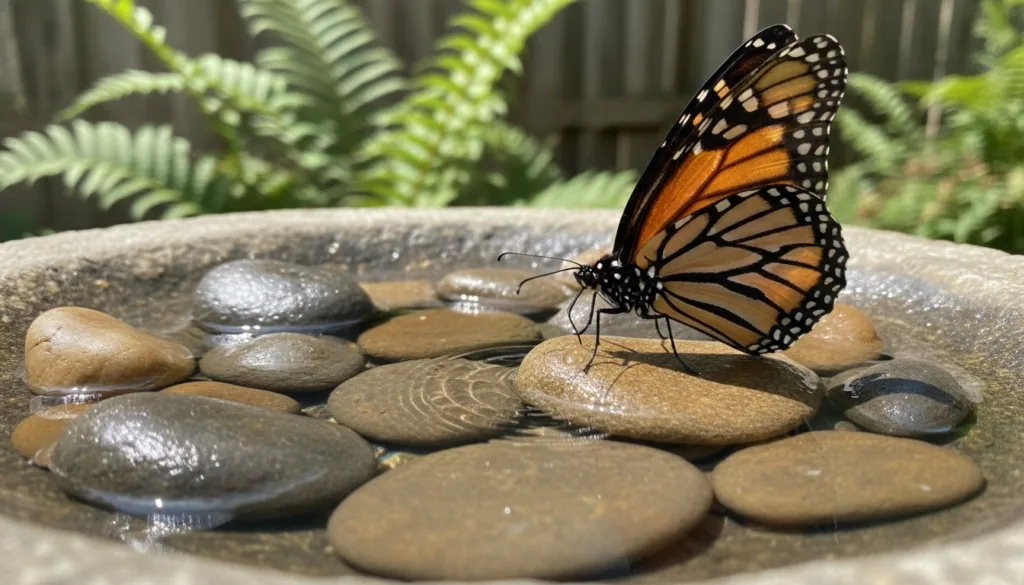
This section provides the essential liquid refreshment and safe landing spots. Fill one part of your chosen container with a layer of smooth river rocks, pebbles, or even sand. These ‘landing rocks’ serve as perches where butterflies can safely rest their wings while they sip. Pour a small amount of clean, fresh water into this section, ensuring it’s very shallow—just enough to create moist surfaces and small puddles between the rocks. The water level should never be more than about an inch deep, even in the deepest spots. You can also mix a tiny pinch of unrefined sea salt into the water to provide beneficial minerals, or a small amount of compost tea for additional nutrients.
Nutrient Nook: Garden Soil Mix and Optional Fruit
On the other side of your container, create a mineral-rich area. Fill this section with a good quality garden soil mix. You can enhance this by mixing in a small amount of compost, sand, or even a tiny bit of manure (ensure it’s well-rotted and not fresh, as fresh manure can be too strong or contain harmful pathogens). Keep this soil consistently moist, but not waterlogged. The goal is to provide a damp, mineral-rich substrate for butterflies to extract nutrients.
To further entice your winged guests, you can add ‘optional fruit’ such as overripe orange slices, banana peels, or even melon rinds. Butterflies are attracted to the sugars and fermentation of decaying fruit. Replace these fruit pieces every day or two to prevent mold growth and unwanted pests like wasps or fruit flies. Wash your container regularly to keep it clean and healthy for visitors.
Location, Location, Location: A Sunny Spot
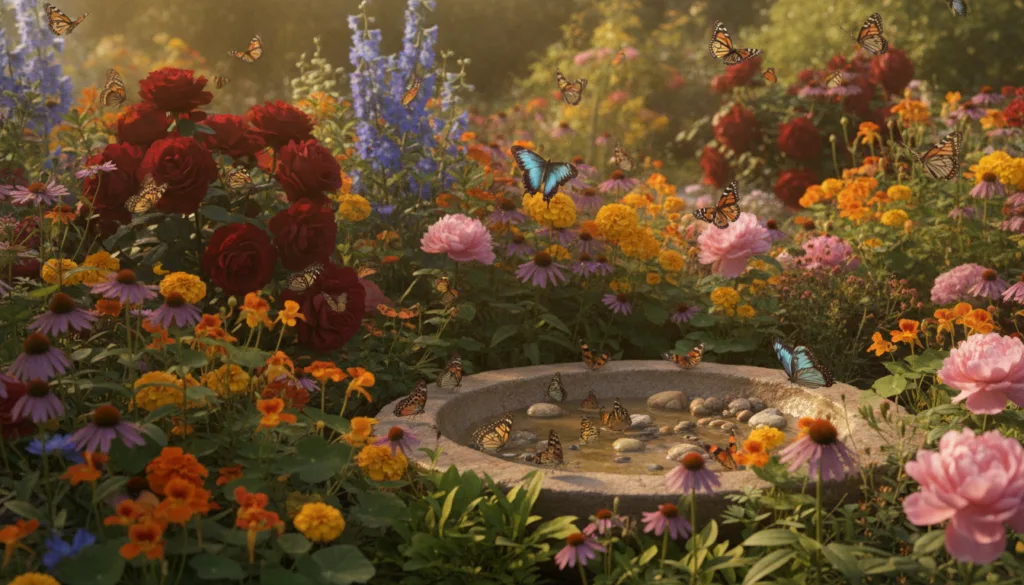
Butterflies are cold-blooded creatures and rely on the sun’s warmth to regulate their body temperature. Place your puddle station in a sunny location where it will receive at least six hours of direct sunlight each day. A sheltered spot that is protected from strong winds is ideal, as this allows butterflies to comfortably land and linger. Position it near nectar-rich flowers or host plants to create a comprehensive butterfly habitat, making it easy for them to transition from feeding to puddling.
Beyond the Basics: Enhancing Your Puddle Station
While the basic setup is effective, you can take a few extra steps to make your butterfly puddle station even more appealing:
- Variety of Substrates: Experiment with different types of sand (e.g., play sand, coarse sand) or small gravel to see what your local butterflies prefer.
- Continuous Moisture: If you live in a hot, dry climate, consider placing the puddle station near a drip irrigation line or in a spot that gets regular, gentle moisture from a sprinkler system.
- Surrounding Plants: Plant larval host plants and a diverse array of nectar plants nearby. For instance, Milkweed (Asclepias spp.) is essential for Monarch caterpillars, while Coneflower (Echinacea spp.), Zinnia (Zinnia elegans), and Butterfly Bush (Buddleja davidii) are nectar favorites.
Common Mistakes to Avoid
Even with a simple project like a puddle station, a few common errors can reduce its effectiveness:
- Too Much Water: Deep water can be a drowning hazard. Always keep the water level very shallow.
- Lack of Perches: Without rocks or sand, butterflies have no safe place to land and sip.
- Dirty Water/Fruit: Stagnant water or moldy fruit can attract pests and spread disease. Change water and replace fruit frequently.
- Shady Location: Butterflies need sun to warm up and be active. A shady spot will get far fewer visitors.
- Using Pesticides Nearby: Any use of pesticides, even organic ones, can harm butterflies and other beneficial insects. Keep your butterfly garden pesticide-free.
Regional Considerations for Butterfly Activity
The best time to set up and maintain your butterfly puddle station depends on your local climate and when butterflies are active. In most regions of the United States, butterflies emerge and are most active from late spring through early fall. Gardeners in USDA Zones 3-5 might see activity from late May to September, while those in Zones 6-8 experience a longer season from April to October. In warmer Zones 9-11, butterflies may be present year-round, or at least for a very extended period from early spring well into winter.
Always align your station’s operation with your area’s frost-free dates and peak blooming seasons for nectar plants. Observe your local butterfly populations to gauge when your station will be most utilized.
Conclusion
Creating a butterfly puddle station is a small gesture that yields significant ecological rewards. It’s an inexpensive, low-maintenance, and incredibly effective way to support local pollinator populations and bring more life and beauty into your garden. By offering these winged wonders a vital source of hydration and minerals, you’re not just gardening; you’re participating in the delicate balance of nature. So, gather your materials this weekend, set up your butterfly spa, and get ready to enjoy the enchanting spectacle of butterflies thriving in your backyard!