After a long day, your feet work hard and bear the brunt of your daily activities. From standing and walking to exercising, they are constantly supporting you. Giving them proper attention is not just a luxury; it’s an essential part of your overall well-being. Incorporating simple daily foot care habits can significantly transform tired feet, providing deep comfort and enhancing your quality of life. Let’s explore the key practices that can help you maintain healthy, happy feet.

Why Your Feet Deserve Daily Attention
Our feet are complex structures, comprising bones, joints, muscles, and ligaments, all working in harmony. Neglecting them can lead to a host of issues, from minor discomforts like calluses and blisters to more severe problems such as plantar fasciitis or persistent pain. Investing a few minutes each day in dedicated foot care can prevent these problems, improve circulation, reduce swelling, and enhance your body’s foundation.
8 Essential Foot Care Habits for Long Days
Here are eight daily practices that can make a profound difference in the health and comfort of your feet, especially after prolonged activity.
1. Stretch Your Feet and Ankles
Just like any other part of your body, your feet and ankles benefit greatly from regular stretching. This practice helps improve flexibility, reduce stiffness, and prevent injuries. Simple exercises, such as pointing and flexing your toes, ankle rotations, or using a resistance band for gentle stretches, can enhance circulation and relieve tension. Incorporate these stretches into your morning routine or after a long day to keep your foot muscles pliable.
2. Massage Your Feet Regularly
A foot massage is not just a treat; it’s a therapeutic practice. Regular self-massage can help alleviate muscle soreness, improve blood flow, and release built-up tension. You can use your hands, a tennis ball, or a specialized foot massage roller to target pressure points. Roll your foot over a massage ball for a few minutes, focusing on the arch and heel, to stimulate circulation and provide relief from fatigue.
3. Soak Your Feet in Cool Water
After a demanding day, a cool foot soak can be incredibly refreshing. This simple remedy helps reduce swelling, soothe tired muscles, and provide immediate relief from heat and fatigue. Fill a basin with cool (not icy) water, and consider adding Epsom salts for their muscle-relaxing properties. A 10-15 minute soak can do wonders for revitalizing your feet and helping you unwind.
4. Prioritize Hydration
Staying adequately hydrated is crucial for overall health, and your feet are no exception. Proper hydration helps maintain skin elasticity, prevent dryness, and supports optimal bodily functions, including circulation. Dehydration can sometimes contribute to muscle cramps and fatigue. Make sure you’re drinking enough water throughout the day to support healthy skin and muscle function, which directly impacts foot comfort.
5. Elevate Your Feet for Relief
Elevating your feet above your heart for about 15-20 minutes can significantly reduce swelling and improve blood circulation. This simple gravity-defying trick helps drain accumulated fluid and ease pressure on your veins. Prop your feet up on pillows or against a wall while resting to experience a noticeable difference in comfort and a reduction in puffiness, particularly if you’ve been standing or sitting for extended periods.
6. Choose Supportive Footwear
The shoes you wear play a critical role in your foot health. Opt for footwear that provides ample support, cushioning, and stability. Ill-fitting or unsupportive shoes can lead to a myriad of problems, including bunions, corns, and chronic pain. Look for shoes with good arch support, adequate toe room, and proper shock absorption. Consider professional fittings to ensure you’re wearing the correct size and style for your foot type and daily activities.
7. Consider Compression Socks
Compression socks, often used by athletes and individuals who spend long hours on their feet, can be beneficial for improving circulation and reducing leg and foot fatigue. They apply gentle pressure to your legs and ankles, helping to push blood back towards your heart and prevent swelling. Consult with a healthcare professional to determine if compression socks are right for you and what level of compression would be most suitable.
8. Keep Your Feet Moisturized
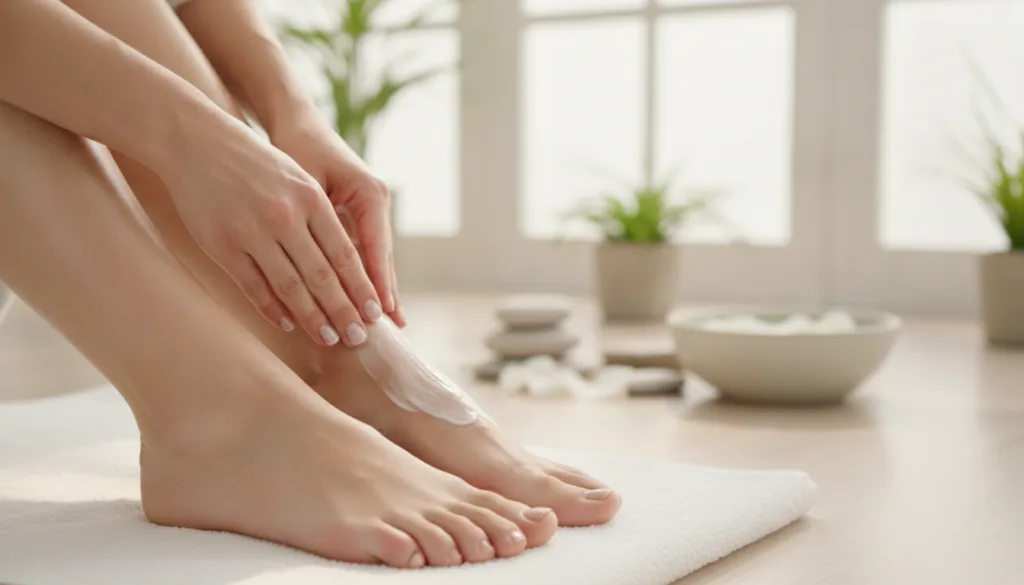
Healthy skin is an important barrier against infection and discomfort. Regularly moisturizing your feet, especially after bathing, helps prevent dryness, cracking, and calluses. Use a rich, hydrating cream or lotion, paying special attention to the heels and balls of your feet. Avoid applying moisturizer between your toes, as this can create a moist environment conducive to fungal growth. Moisturized feet are less prone to irritation and feel softer and smoother.
Beyond the Basics: General Foot Care Tips
In addition to these daily habits, incorporating these general tips into your routine can further protect and maintain your foot health.
Trim Toenails Correctly
Proper toenail trimming is crucial for preventing ingrown toenails and discomfort. Always cut your toenails straight across, rather than rounding the corners. Use clean, sharp nail clippers and avoid cutting them too short. If you have difficulty trimming your nails due to thickness or other issues, consider seeking help from a podiatrist.
Regularly Inspect Your Feet
Make it a habit to visually inspect your feet daily. Look for any changes, such as cuts, blisters, redness, swelling, unusual spots, or changes in nail appearance. Early detection of any issues can prevent them from becoming more serious. Pay close attention if you have conditions like diabetes, which can impact foot sensation and healing.
Change Socks Daily
Wearing clean socks daily is a simple yet effective way to maintain foot hygiene. Fresh socks help absorb moisture, reduce friction, and prevent bacterial or fungal growth. Opt for socks made from breathable materials like cotton or moisture-wicking synthetic fabrics, especially if you experience sweaty feet or engage in physical activity.
Don’t Ignore Persistent Foot Pain
While occasional foot soreness is common, persistent pain is a signal that should not be ignored. If you experience chronic pain, numbness, tingling, or significant swelling that doesn’t resolve with rest and basic care, it’s important to consult a healthcare professional. A podiatrist can accurately diagnose the cause of your discomfort and recommend appropriate treatment.
Final Thoughts
Your feet carry you through life, and dedicating time to their care is a small investment with significant returns in comfort and overall health. By integrating these simple foot care habits into your daily routine, you can prevent common ailments, alleviate discomfort, and ensure your feet remain strong and ready for whatever your long days bring. Remember, healthy feet are happy feet!
Medical Disclaimer
The information provided in this article is for general knowledge and informational purposes only, and does not constitute medical advice. It is essential to consult with a qualified healthcare professional or podiatrist for any health concerns or before making any decisions related to your health or treatment.