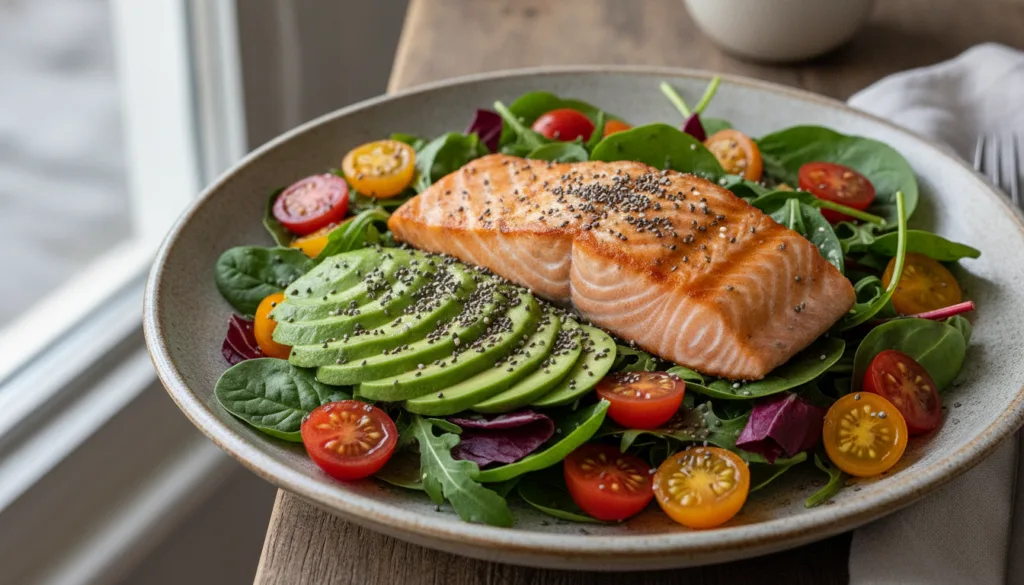
When you hear the word ‘fats,’ do you immediately think of unhealthy foods to avoid? It’s a common misconception that all fats are detrimental to your health. The truth, however, is far more nuanced and incredibly important for your overall well-being. Far from being harmful, healthy fats are essential for a healthy body, playing a critical role in everything from brain function to hormone production.
Ignoring healthy fats can leave your body lacking vital nutrients and functions. From the creamy richness of avocado to the heart-healthy benefits of olive oil, incorporating the right types of fats into your diet can profoundly support your body’s essential functions and overall vitality. This guide will help you discover the best sources of these crucial nutrients and understand the incredible benefits they offer.
Let’s debunk the myth that all fats are bad and explore how you can nourish your body with these incredible ‘good fats’.
The Truth About Healthy Fats: Not All Fats Are Harmful
In the world of nutrition, ‘fat’ often gets a bad rap. But it’s time to clarify that not all fats are harmful. Just as there are different types of carbohydrates and proteins, there are various types of fats, and some are absolutely vital for your health. These ‘good fats’ or ‘healthy fats’ are essential for numerous bodily functions, from building cell membranes to absorbing fat-soluble vitamins.
Understanding the difference is key. While unhealthy trans fats and saturated fats (in excess) can contribute to health issues, monounsaturated and polyunsaturated fats (including Omega-3s) are cornerstone nutrients that your body needs to thrive.
Top Sources of Essential Healthy Fats
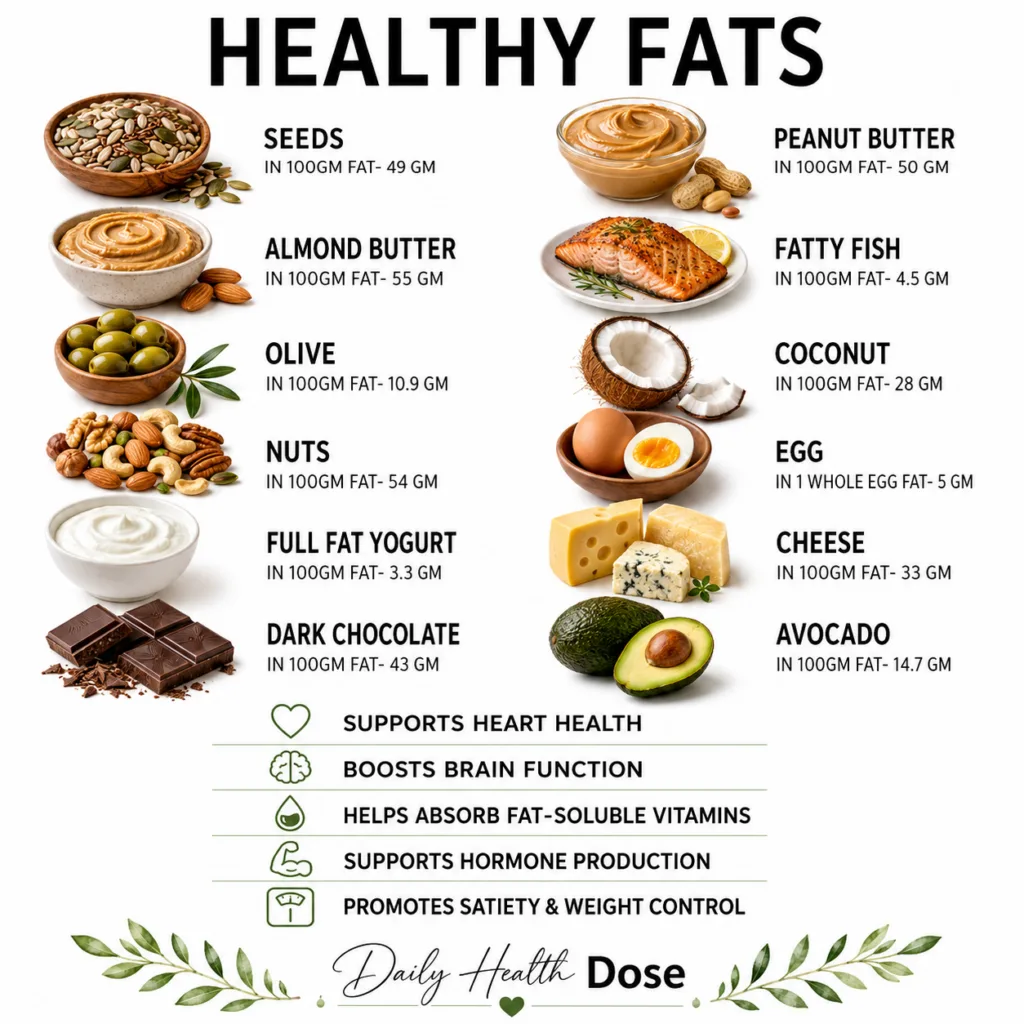
Incorporating a variety of healthy fat sources into your diet is a delicious way to boost your overall health. Here are some of the best foods packed with beneficial fats, along with their typical fat content per 100g (unless otherwise noted, as per the infographic):
Olive Oil: A Mediterranean Staple (100g fat)
A cornerstone of the Mediterranean diet, extra virgin olive oil is rich in monounsaturated fats, which are known for their heart-protective qualities. It also contains powerful antioxidants that combat inflammation. Use it for salad dressings, drizzling over cooked vegetables, or in light sautés.
Avocado: The Creamy Powerhouse (15g fat)
This incredibly versatile fruit is loaded with monounsaturated fats, fiber, potassium, and vitamins K, C, B6, and E. Avocados can help lower LDL (‘bad’) cholesterol and increase HDL (‘good’) cholesterol. Enjoy it in guacamole, sliced on toast, or blended into smoothies for a creamy texture.
Whole Eggs: A Complete Nutrient Package (11g fat per whole egg)
Eggs are a fantastic source of protein, essential vitamins (like D and B12), and minerals, alongside healthy fats. While the infographic states ’11g fat per whole egg’, a typical large egg contains around 5-6 grams of fat. This figure likely highlights their significant contribution of beneficial fats within a standard serving. They also provide choline, crucial for brain health. Scramble them, boil them, or poach them for a nutritious meal.
Cheese: A Flavorful Fat Source (33g fat)
Cheese, in moderation, can be a good source of healthy fats, calcium, and protein. While some varieties can be high in saturated fat, many also offer beneficial fats that contribute to satiety. Opt for quality cheeses and enjoy them as part of a balanced diet.
Fatty Fish (Salmon): Omega-3 Rich (13g fat)
Fatty fish like salmon are celebrated for their high content of Omega-3 fatty acids (EPA and DHA), which are vital for brain function, heart health, and reducing inflammation. Aim for two servings of fatty fish per week. Grilled, baked, or pan-seared salmon makes for a delicious and healthy meal.
Nuts (Almonds): Crunchy Goodness (49g fat)
Almonds, along with other nuts like walnuts and cashews, are packed with healthy fats, fiber, protein, and vitamin E. They make for an excellent snack that keeps you full and provides a steady source of energy. Choose raw or dry-roasted varieties without added oils or sugar for the most benefits.
Seeds (Chia Seeds): Tiny Nutritional Powerhouses (31g fat)
Chia seeds are an incredible source of Omega-3s (in the form of ALA), fiber, and protein. These tiny seeds can absorb many times their weight in liquid, making them perfect for chia puddings, thickening smoothies, or adding to oatmeal for an extra nutritional boost.
Dark Chocolate: A Sweet Treat with Benefits (43g fat)
Good news for chocolate lovers! High-quality dark chocolate (70% cocoa or higher) contains healthy fats, fiber, iron, magnesium, and powerful antioxidants. Enjoy it in moderation as a satisfying treat that can also offer mood-boosting benefits.
The Profound Benefits of Incorporating Healthy Fats
Beyond being energy dense, healthy fats contribute to a myriad of vital bodily functions. Here’s a closer look at the key benefits:
Boost Brain Function and Cognitive Health
Your brain is nearly 60% fat, making healthy fats absolutely essential for its optimal performance. Omega-3 fatty acids, in particular, are critical for memory, focus, and overall cognitive function. They help build brain and nerve cells, improving communication between them. Regular intake of foods rich in healthy fats can support sharper thinking and help protect against cognitive decline.
Support Heart Health and Cardiovascular Wellness
Contrary to old beliefs, healthy fats are crucial for a healthy heart. Monounsaturated and polyunsaturated fats can help lower levels of LDL (low-density lipoprotein) cholesterol, often referred to as ‘bad’ cholesterol, while increasing HDL (high-density lipoprotein) or ‘good’ cholesterol. This balance is vital for preventing plaque buildup in arteries and reducing the risk of heart disease.
Reduce Inflammation Naturally
Chronic inflammation is at the root of many modern diseases. Healthy fats, especially Omega-3s found in fatty fish and certain seeds, possess potent anti-inflammatory properties. By integrating these fats into your diet, you can help soothe inflammation throughout your body, contributing to better joint health, skin, and overall systemic well-being.
Improve Nutrient Absorption for Overall Health
Many essential vitamins—namely A, D, E, and K—are fat-soluble. This means they require fat to be properly absorbed and utilized by your body. Without sufficient healthy fats in your diet, you could be missing out on the full benefits of these crucial vitamins, regardless of how many fruits and vegetables you eat. Healthy fats ensure your body can access and use these vital nutrients.
Promote Satiety and Keep You Feeling Full Longer
One of the most practical benefits of healthy fats is their ability to promote satiety. Fats take longer to digest than carbohydrates, helping to slow down the emptying of your stomach. This leads to a sustained feeling of fullness, which can reduce cravings, prevent overeating, and support healthy weight management. Including healthy fats in your meals can make you feel more satisfied and energized throughout the day.
How to Easily Incorporate Healthy Fats into Your Diet
- Upgrade Your Cooking Oil: Swap out vegetable oils for extra virgin olive oil when roasting or making dressings.
- Snack Smart: Grab a handful of almonds, walnuts, or an avocado slice instead of processed snacks.
- Boost Your Breakfast: Add chia seeds to your oatmeal or smoothie for a dose of Omega-3s.
- Include Fatty Fish: Aim for salmon, mackerel, or sardines a couple of times a week.
- Mindful Dairy: Enjoy full-fat cheese in moderation, pairing it with fruits or whole-grain crackers.
- Sweet Indulgence: Opt for a square of dark chocolate (70% cocoa or higher) for a healthy dessert.