There’s nothing quite like the satisfaction of harvesting your first bounty from the garden. It’s a moment of triumph, a testament to your hard work, and a delicious reward! If you’re eager to experience this joy sooner rather than later, focusing on quick-growing vegetables is your secret weapon. They offer speedy gratification and keep your gardening spirits high, especially for beginners.
Whether you have a sprawling backyard garden or just a few pots on a balcony, these fast growers can provide a continuous supply of fresh produce. Let’s dig into how you can ensure a successful first harvest with some of our favorite speedy veggies!
Why Choose Quick-Growing Vegetables?
Quick-growing vegetables are fantastic for several reasons:
- Instant Gratification: See results in a matter of weeks, not months.
- Succession Planting: Easily plant new crops after harvesting, ensuring a continuous supply.
- Beginner-Friendly: They build confidence and teach basic gardening principles quickly.
- Pest & Disease Management: Their short life cycles can sometimes mean fewer issues with long-term pests.
Top Quick-Growing Vegetables & How to Harvest Them
Here are some champions of rapid growth, along with tips for their perfect harvest:
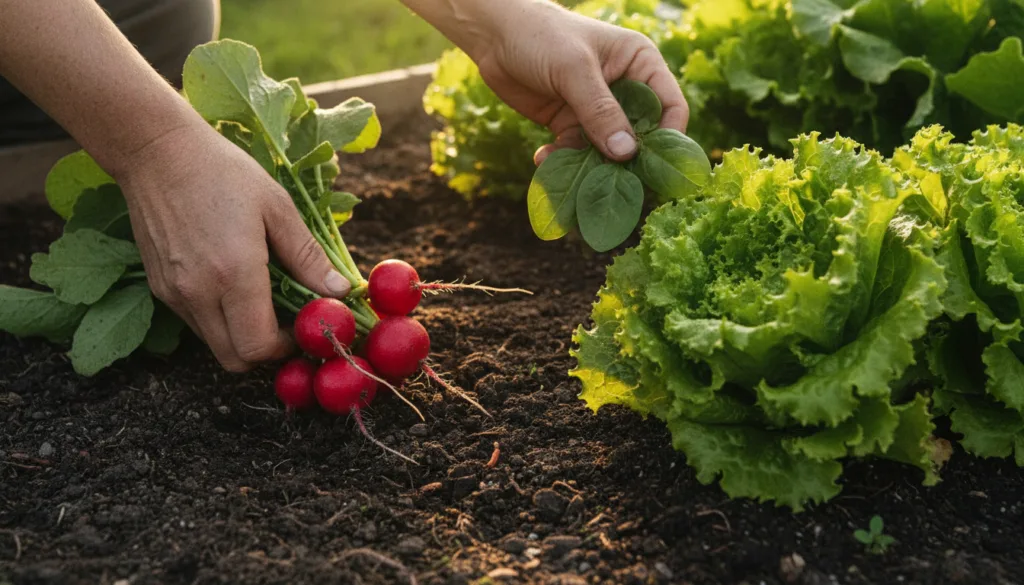
1. Radishes
Time to Harvest: 3-4 weeks from seeding.
Harvesting Tips: Radishes are ready when their roots swell to about 1 inch in diameter. Gently feel around the base of the plant to check the size. Pull them by their greens when the soil is moist. Don’t leave them in the ground too long, or they can become woody and spicy.
2. Lettuce & Salad Greens (e.g., Arugula, Spinach, Loose-Leaf Lettuce)
Time to Harvest: 3-6 weeks from seeding.
Harvesting Tips: For ‘cut-and-come-again’ varieties, harvest the outer leaves first, leaving the inner ones to continue growing. Use sharp scissors or a knife to snip the leaves an inch or two above the soil line. For whole heads, harvest before the plant bolts (sends up a flower stalk), which can make leaves bitter.
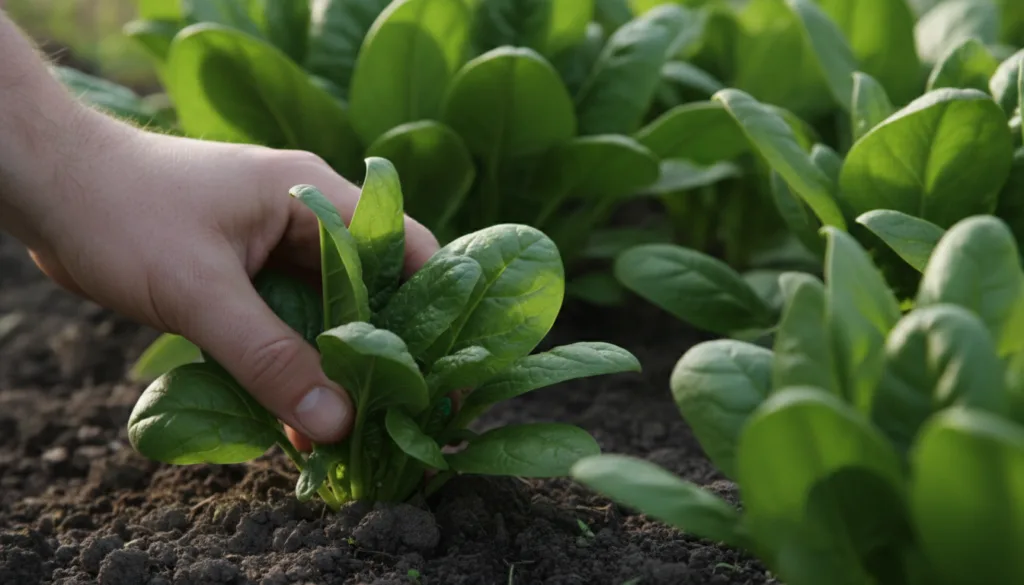
3. Spinach
Time to Harvest: 4-6 weeks from seeding.
Harvesting Tips: Similar to lettuce, you can harvest outer leaves as needed or cut the entire plant at the base. Harvest young leaves for the best flavor and tenderness. Spinach tends to bolt in warmer weather, so harvest promptly.
4. Bush Beans
Time to Harvest: 7-8 weeks from seeding.
Harvesting Tips: Pick beans when the pods are firm, crisp, and snap easily. The seeds inside should be small and undeveloped. Harvest regularly to encourage more production. Snap or cut the stem just above the bean to avoid damaging the plant.
5. Peas (Snap & Snow Peas)
Time to Harvest: 8-10 weeks from seeding.
Harvesting Tips: Pick snap peas when the pods are plump and crunchy. Harvest snow peas when the pods are flat and tender, before the peas inside develop fully. Like beans, regular harvesting encourages more growth. Use two hands to pick, one to hold the vine and one to pull the pea pod, to prevent damaging the plant.
6. Green Onions / Scallions
Time to Harvest: 3-4 weeks from seeding (from sets) or 8-10 weeks from seed.
Harvesting Tips: You can harvest green onions by pulling the entire plant once they reach your desired size. Alternatively, for a continuous harvest, cut the green tops about an inch above the soil, and they will regrow. This method works especially well if you planted from sets.
General Tips for a Bountiful Harvest
- Harvest in the Morning: Vegetables are most crisp and flavorful after a cool night and before the heat of the day.
- Use Clean Tools: Sharp scissors or a knife make clean cuts, reducing damage to the plant and preventing disease.
- Water Well: Ensure your plants are well-hydrated, especially before harvesting, for juicy, tender produce.
- Succession Planting: To keep the harvest coming, plant small batches of seeds every 2-3 weeks, especially for fast growers like radishes and leafy greens.
- Know Your Plant: Research the specific variety you’re growing, as harvest times and methods can vary slightly.
Enjoy Your Garden’s Bounty!
Embarking on your gardening journey with quick-growing vegetables is a fantastic way to build confidence and enjoy fresh, homegrown produce in no time. The thrill of that first harvest is truly unmatched, inspiring you to keep growing and exploring new possibilities in your garden.
What are your favorite quick-growing vegetables to harvest? Share your tips and success stories in the comments below!