Most people reaching for joint comfort often look to modern supplements, overlooking the simple yet powerful remedies found in nature. Imagine two unassuming plants, Teasel and White Kyllinga, whose combined strength has been quietly offering soothing support for generations. Their synergy in a simple, warming tea might just be the calming secret your joints have been waiting for, offering a traditional path to greater ease and mobility.
This article dives deep into how these two botanical allies, Dipsacus sativus and Kyllinga nemoralis, can be prepared as a tea to support joint health. You’ll learn the precise steps to harness their traditional benefits, moving beyond vague promises to actionable steps for your wellness.
 Teasel and White Kyllinga: Traditional allies for joint comfort.
What It Is: Teasel and White Kyllinga
Our focus today is on two distinct botanicals: Teasel (Dipsacus sativus) and White Kyllinga (Kyllinga nemoralis). While they grow in different environments and have unique characteristics, traditional practices often combine them to enhance their benefits, particularly for musculoskeletal support.
- Teasel (Dipsacus sativus): Often recognized by its tall, spiky stem and distinctive thistle-like flower heads, Teasel is more than just a striking plant. Historically, its root has been highly valued in traditional European and Chinese herbalism. It’s often associated with strengthening bones and connective tissues, and supporting overall joint integrity. Many traditional practitioners refer to it as a ‘bone-set’ herb, highlighting its perceived ability to aid in recovery and provide comfort to the skeletal system.
- White Kyllinga (Kyllinga nemoralis): This common sedge, easily identified by its small, spherical white flower heads that resemble tiny snowballs atop slender stems, is widely found in tropical and subtropical regions. In various traditional Asian medicinal systems, White Kyllinga, particularly its rhizomes and aerial parts, has been used to address inflammation, discomfort, and promote a sense of ease within the body. Its properties are often considered to complement other herbs in blends aimed at musculoskeletal well-being.
When combined, Teasel and White Kyllinga are believed to offer a comprehensive approach to joint comfort. Teasel supports the structural components, while White Kyllinga contributes its soothing properties, working together to foster flexibility and reduce general discomfort.
Quick Tip: Correct Identification is Key
Before harvesting any wild plants, always ensure 100% positive identification. Misidentification can lead to consuming ineffective or even harmful plants. Consult with a local expert or purchase from reputable herbal suppliers to ensure you have the correct Dipsacus sativus (Teasel) and Kyllinga nemoralis (White Kyllinga).
Ingredients for Your Joint Comfort Tea
To prepare this traditional joint comfort tea, you’ll need the dried parts of both plants. Ensure your ingredients are organically sourced and free from pesticides.
- Dried Teasel Root (Dipsacus sativus): Approximately 1-2 teaspoons of dried, finely chopped or powdered root. The root is the primary part used for joint support.
- Dried White Kyllinga (Kyllinga nemoralis): Approximately 1-2 teaspoons of dried whole plant (including rhizomes and aerial parts), chopped.
- Water: 2 cups of filtered water.
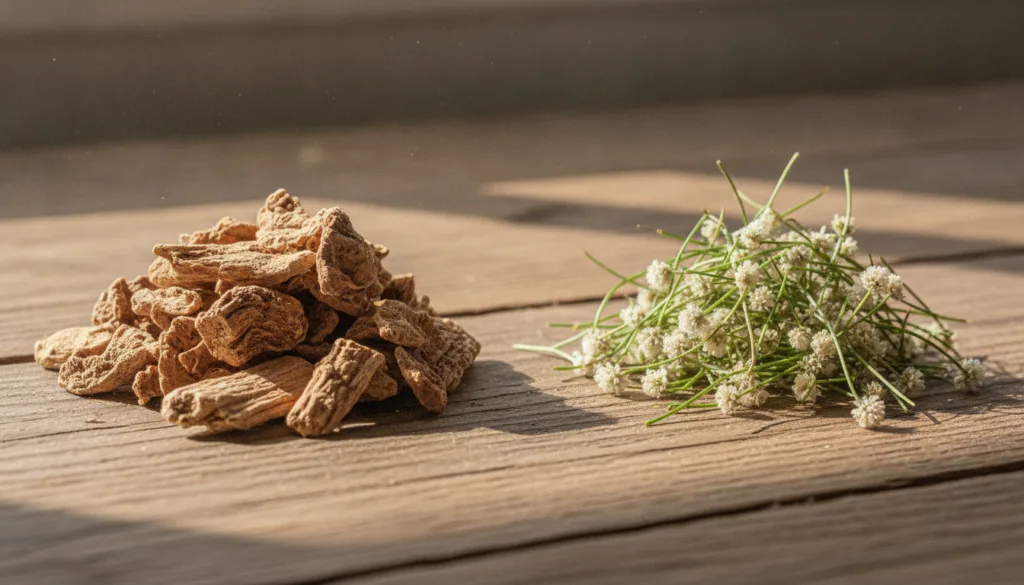 Carefully selected dried Teasel root and White Kyllinga are essential for this blend.
Formula / Recipe: Simple Combined Plant Tea
The goal is to create a decoction, which involves simmering the tougher plant parts (like roots) to extract their beneficial compounds effectively.
Measurements per serving:
- Dried Teasel Root: 1.5 teaspoons (approx. 3-4 grams)
- Dried White Kyllinga: 1.5 teaspoons (approx. 3-4 grams)
- Filtered Water: 2 cups (approx. 470 ml)
Step-by-Step Method
Preparing this tea is a straightforward process, but attention to detail ensures optimal extraction of the beneficial compounds.
- Combine Herbs and Water: Place the dried Teasel root and White Kyllinga into a small, non-reactive saucepan. Pour 2 cups of filtered water over the herbs.
- Soak (Optional but Recommended): For tougher roots like Teasel, consider letting the herbs soak in the cold water for 15-30 minutes before heating. This can help soften them and improve extraction.
- Bring to a Simmer: Place the saucepan on the stove over medium-high heat. Bring the water to a gentle boil, then immediately reduce the heat to low.
- Simmer Gently: Cover the saucepan and allow the mixture to simmer gently for at least 20-30 minutes. Some herbalists recommend simmering roots for up to 45 minutes to an hour for maximum extraction. Ensure the heat is low enough to maintain a gentle simmer, not a rolling boil, to prevent evaporation and preserve delicate compounds.
- Strain: After simmering, remove the saucepan from the heat. Allow it to cool slightly, then strain the tea through a fine-mesh sieve into a mug or a heat-resistant container. Press down on the herbs to extract all the liquid.
- Serve: Your joint comfort tea is ready. You may sweeten it with a touch of honey if desired, though it’s best consumed plain to appreciate its natural flavor.
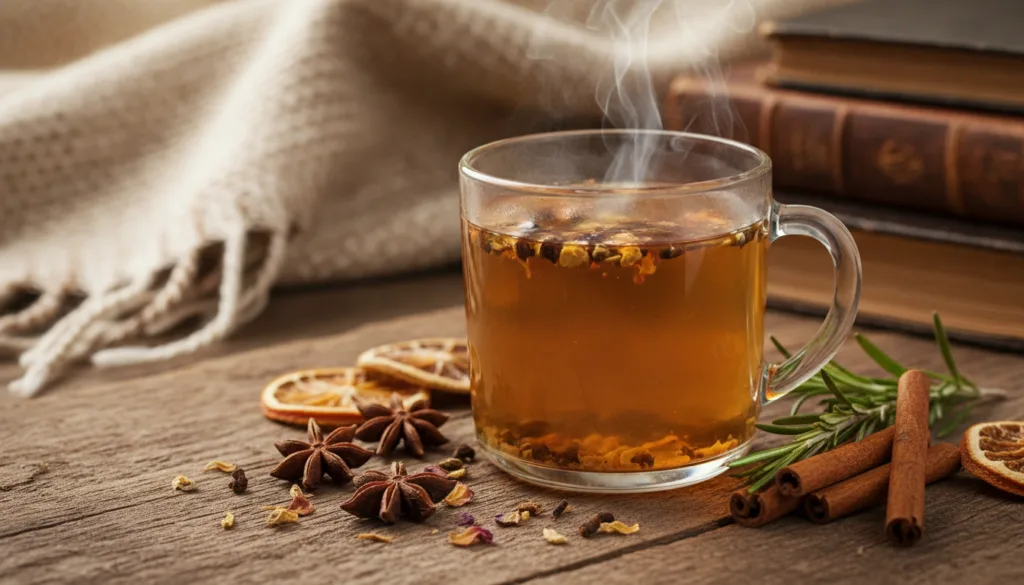 Enjoy a warm cup of your freshly brewed Teasel and White Kyllinga tea.
How to Use
This tea is best consumed warm. Drink one cup in the morning and another in the evening for consistent support. You can drink it on an empty stomach or after meals, depending on your preference and digestive sensitivity. Listen to your body and adjust if you notice any discomfort.
How Often to Use
For general joint comfort and ongoing support, this tea can be consumed daily. Many traditional practices suggest a consistent daily intake for several weeks or months to experience the full benefits. As with any herbal regimen, consider taking short breaks (e.g., one week off after every two months of use) to allow your body to reset and to prevent potential habituation.
How to Buy / How to Choose Ingredients
Sourcing high-quality ingredients is crucial for the effectiveness and safety of your herbal remedies.
- Reputable Suppliers: Purchase dried Teasel root and White Kyllinga from certified organic herb suppliers. Look for companies that provide information about their sourcing, harvesting practices, and quality control.
- Appearance and Aroma: Good quality dried herbs should have a recognizable aroma and their natural color. Avoid anything that looks dusty, discolored, or has an off-smell, as this can indicate poor quality or contamination.
- Form: Teasel root is typically sold as dried slices or coarse powder. White Kyllinga may be sold as whole dried plants or chopped pieces.
- Ask Questions: Don’t hesitate to contact the supplier with questions about where and how their herbs are grown and processed.
Did You Know? Fresh vs. Dried
While fresh herbs are often potent, Teasel root is traditionally dried and processed for its medicinal uses. Similarly, White Kyllinga is often dried for storage and use in teas. The drying process concentrates certain compounds and allows for stable storage, making dried forms ideal for this tea preparation.
Storage
Proper storage ensures your herbs retain their potency and freshness for as long as possible.
- Dried Herbs: Store dried Teasel root and White Kyllinga in airtight glass jars, away from direct sunlight, heat, and moisture. A cool, dark pantry or cupboard is ideal. Properly stored dried herbs can last for 1-2 years.
- Prepared Tea: Any leftover tea can be stored in a sealed container in the refrigerator for up to 24-48 hours. Reheat gently on the stove or consume chilled. Do not let it sit out at room temperature for extended periods.
Practical Tips
- Consistency is Key: Like many natural remedies, the benefits of this tea are often cumulative. Regular, consistent use is more important than occasional large doses.
- Listen to Your Body: Pay attention to how your body responds. If you experience any discomfort, reduce the dosage or discontinue use and consult a healthcare professional.
- Enhance Flavor: If the earthy taste is too strong, you can add a small slice of ginger or a pinch of cinnamon during the simmering process for added warmth and flavor, both of which also have traditional anti-inflammatory properties.
- Stay Hydrated: Continue to drink plenty of plain water throughout the day, as hydration is vital for joint health.
Common Mistakes
Avoiding these common pitfalls can significantly improve the efficacy and safety of your Teasel and White Kyllinga tea:
- Incorrect Identification: As mentioned, mistaking these plants for others can be dangerous or render the remedy ineffective. Always be certain of your identification if foraging.
- Boiling Too Vigorously: A hard boil can degrade delicate compounds and cause excessive evaporation. Stick to a gentle simmer.
- Using Non-Filtered Water: Tap water can contain chlorine and other chemicals that may interact with the herbs or simply taste unpleasant.
- Skipping the Simmer: A simple infusion (pouring hot water over herbs) isn’t sufficient for roots. Decocting (simmering) is essential to extract the robust compounds from Teasel root.
- Improper Storage: Exposing dried herbs to light, heat, or moisture quickly diminishes their potency and can lead to mold growth.
- Overlooking Cautions: Ignoring the potential contraindications can lead to adverse effects. Always be mindful of your health status.
- Expecting Instant Results: Herbal remedies typically work gradually. Patience and consistency are crucial.
Cautions / Who Should Avoid It
While Teasel and White Kyllinga are generally considered safe for most adults when used appropriately, there are certain situations where caution is advised:
- Pregnancy and Breastfeeding: There is limited scientific research on the safety of Teasel and White Kyllinga during pregnancy and breastfeeding. It’s best to avoid use in these periods.
- Medication Interactions: If you are taking any prescription medications, especially blood thinners, diuretics, or medications for chronic conditions, consult your doctor or a qualified herbalist before incorporating this tea into your routine.
- Allergies: If you have known allergies to plants in the Asteraceae (daisy) family (which Teasel is part of) or Cyperaceae (sedge) family, proceed with caution or avoid use.
- Digestive Sensitivity: Some individuals may experience mild digestive upset. If this occurs, reduce the dosage or discontinue use.
- Children: This tea is generally not recommended for children without professional guidance.
Quick Summary: Teasel & White Kyllinga Joint Comfort Tea
- Best Preparation: Decoction (simmering) for optimal extraction from roots.
- Best Use-Case: Traditional support for joint comfort, bone strength, and musculoskeletal ease.
- Storage: Dried herbs in airtight containers, cool & dark. Prepared tea refrigerated for 1-2 days.
- When to Use: Daily, typically 1-2 cups, for consistent, long-term support.
- What to Avoid: Incorrect identification, vigorous boiling, ignoring cautions (pregnancy, medications).
FAQ
- Can I use fresh Teasel root or White Kyllinga?
- While some herbs can be used fresh, Teasel root is traditionally dried and processed for its potency and to ensure proper storage. White Kyllinga can be used fresh, but for consistent tea preparation, dried forms are more practical and widely available.
- How long does the prepared tea last?
- The prepared tea can be stored in a sealed container in the refrigerator for up to 24-48 hours. It’s always best to prepare fresh batches daily for maximum potency.
- What parts of the plants are best for this tea?
- For Teasel, the root (specifically the taproot) is the most valued part for joint support. For White Kyllinga, the whole plant, including its rhizomes and aerial parts, is traditionally used.
- How often should I drink this tea for results?
- For traditional remedies like this, consistency is key. Daily consumption, typically 1-2 cups, over several weeks to months is often suggested to experience cumulative benefits.
- Can I reuse the herbs for a second brewing?
- For a decoction of roots, most of the beneficial compounds are extracted in the first simmer. A second brewing may yield a weaker tea, but some people do reuse them if they are simmering for a shorter duration initially.
- Is there a specific time of day I should drink it?
- No strict rule, but many find it beneficial to drink one cup in the morning and another in the evening to maintain consistent support throughout the day.
- What if I don’t like the taste?
- The tea has an earthy flavor. You can try adding a small amount of honey, a slice of ginger, or a pinch of cinnamon during brewing to enhance the taste without compromising its properties.
- Can I combine this with other joint supplements?
- If you are taking other supplements or medications for joint health, it’s crucial to consult with your healthcare provider or a qualified herbalist to avoid any potential interactions.
Conclusion
Embracing the traditional wisdom of plants like Teasel and White Kyllinga offers a grounded, natural approach to supporting your joint comfort. By following these clear, practical steps, you can confidently prepare a powerful tea that taps into centuries of herbal knowledge. This simple ritual not only provides a natural remedy but also connects you to a heritage of wellness that prioritizes balance and the profound healing potential found in nature’s bounty. Give your joints the thoughtful care they deserve with this time-honored botanical blend.