In the quest for holistic well-being, many individuals are turning to simple, natural solutions to support their body’s essential functions. The concept of natural drinks as a form of organ-specific wellness has gained traction, suggesting that everyday sips can offer targeted benefits for our vital internal systems. From hydrating kidneys to supporting a healthy heart, the right beverages, when incorporated into a balanced lifestyle, can play a role in nurturing your body from the inside out.
This guide explores how six common natural drinks can contribute to the health and vitality of specific organs and systems, offering a refreshing perspective on how we can naturally support our bodies. We’ll delve into the unique properties of each drink and uncover why they are valued for their potential wellness benefits.

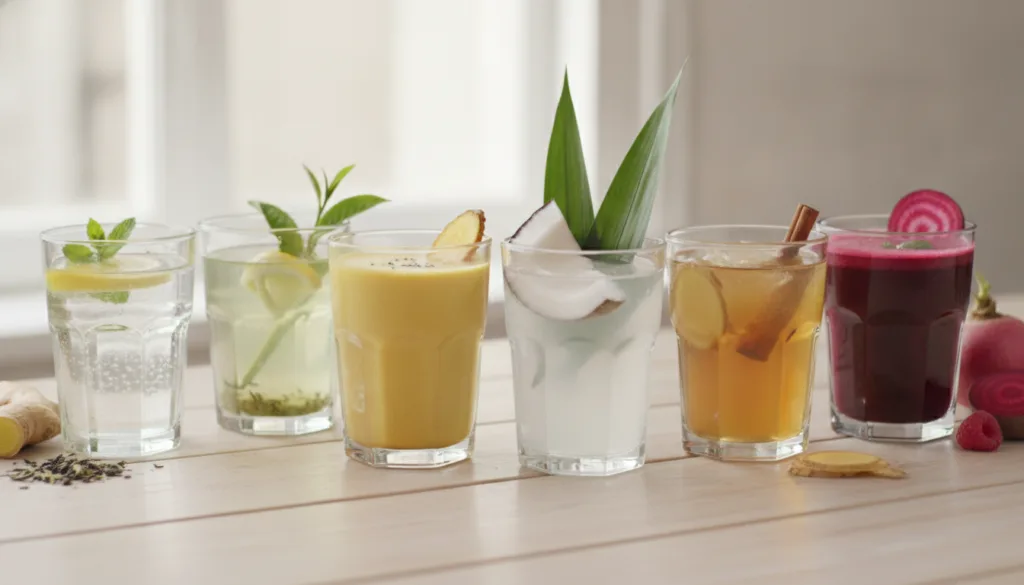
Nourishing Your Kidneys with Pure Water
Our kidneys are remarkable filters, tirelessly working to remove waste products and excess fluids from our blood. Adequate hydration is paramount for their optimal function, and nothing does the job quite like pure water. It helps transport waste to the kidneys for excretion and ensures that these vital organs can perform their essential cleansing processes efficiently.
Why Water Matters for Kidney Health:
- Waste Removal: Water helps dissolve minerals and nutrients, making them more accessible to the body, and assists in flushing out toxins.
- Preventing Stones: Staying well-hydrated helps prevent the concentration of minerals that can lead to kidney stone formation.
- Maintaining Electrolyte Balance: While water itself doesn’t contain many electrolytes, it is crucial for the kidneys’ ability to regulate the balance of sodium, potassium, and other electrolytes in the body.
Aim for consistent water intake throughout the day, rather than large amounts all at once. Listen to your body’s thirst cues, and consider carrying a reusable water bottle as a reminder to stay hydrated.
Supporting Your Brain with Green Tea
Green tea, a beloved beverage with a rich history, is celebrated for its array of potential health benefits, particularly for brain health. It’s packed with antioxidants and beneficial compounds that may help support cognitive function and overall brain vitality.
The Brain-Boosting Power of Green Tea:
- Antioxidant Protection: Green tea is rich in catechins, powerful antioxidants that help protect brain cells from oxidative stress.
- L-Theanine: This unique amino acid in green tea can cross the blood-brain barrier and may promote relaxation without drowsiness, potentially improving focus and attention.
- Caffeine: While less than coffee, the moderate caffeine content in green tea can provide a gentle boost to alertness and cognitive performance.
To prepare green tea, steep 1 teaspoon of green tea leaves in a cup of hot (but not boiling) water for 2-3 minutes. Over-steeping can make it bitter. Enjoy 1-2 cups daily as part of a balanced routine.
Strengthening Your Bones with Turmeric Milk
Turmeric milk, often referred to as ‘Golden Milk,’ is a comforting beverage known for its anti-inflammatory properties, largely attributed to curcumin, the active compound in turmeric. While not a direct source of calcium, the anti-inflammatory effects of turmeric may indirectly support bone health by potentially reducing inflammation that can impact bone density over time.
Benefits of Turmeric Milk:
- Anti-Inflammatory Support: Curcumin may help alleviate systemic inflammation, which is beneficial for overall health, including joints and bones.
- Antioxidant Rich: Turmeric also offers antioxidant benefits, further contributing to cellular health.
Simple Turmeric Milk Recipe:
Servings: 1
Prep Time: 5 minutes
Cook Time: 5 minutes
Ingredients:
- 1 cup milk (dairy or non-dairy like almond or oat milk)
- 1/2 teaspoon ground turmeric
- Pinch of black pepper (enhances curcumin absorption)
- 1/4 teaspoon ground cinnamon (optional)
- 1/4 teaspoon ground ginger (optional)
- 1 teaspoon honey or maple syrup, to taste
Instructions:
- In a small saucepan, combine milk, turmeric, black pepper, cinnamon, and ginger (if using).
- Heat over medium heat, stirring occasionally, until hot but not boiling.
- Remove from heat, stir in honey or maple syrup to taste.
- Strain if desired, and enjoy warm.
Nurturing Your Heart with Coconut Water
Coconut water, the clear liquid found inside young green coconuts, is a natural source of electrolytes, including potassium, which plays a crucial role in maintaining heart health. Its hydrating properties and electrolyte balance may contribute to the overall well-being of the cardiovascular system.
Coconut Water for Heart Health:
- Electrolyte Balance: Rich in potassium, coconut water helps balance fluid levels in the body and may support healthy blood pressure within the normal range.
- Hydration: Proper hydration is vital for maintaining blood volume and circulation, reducing strain on the heart.
Choose unsweetened, pure coconut water to avoid added sugars. It’s a refreshing alternative to sugary drinks and can be enjoyed after exercise or as a daily hydrator.
Aiding Your Digestive System with Ginger Tea
Ginger tea has been a traditional remedy for digestive discomfort for centuries. The compounds in ginger, particularly gingerol, are known for their anti-inflammatory and anti-nausea properties, making it an excellent choice for soothing the digestive system.
How Ginger Tea Supports Digestion:
- Relieves Nausea: Ginger is well-known for its ability to help calm an upset stomach and alleviate nausea.
- Aids Digestion: It may help stimulate digestive enzymes and promote the movement of food through the digestive tract, easing indigestion.
- Anti-Inflammatory: Ginger’s anti-inflammatory effects can help soothe irritation in the gut.
Simple Ginger Tea Recipe:
Servings: 1
Prep Time: 5 minutes
Cook Time: 10 minutes
Ingredients:
- 1-inch piece of fresh ginger, peeled and thinly sliced or grated
- 1 cup water
- 1 teaspoon honey or maple syrup (optional)
- Lemon wedge (optional)
Instructions:
- Place ginger slices/grated ginger in a mug.
- Bring water to a boil and pour over the ginger.
- Let steep for 5-10 minutes, depending on desired strength.
- Strain out the ginger, then stir in honey and add a lemon wedge if desired.
- Enjoy warm.
Boosting Your Blood Vessels with Beetroot Juice
Beetroot juice has gained popularity for its potential benefits for cardiovascular health, particularly its impact on blood vessels. This vibrant red juice is a rich source of nitrates, which the body converts into nitric oxide. Nitric oxide helps relax and widen blood vessels, promoting healthy blood flow.
Beetroot Juice and Blood Vessels:
- Nitric Oxide Production: The natural nitrates in beetroot are converted into nitric oxide, which signals blood vessels to relax, potentially supporting healthy blood pressure.
- Improved Blood Flow: By promoting vasodilation, beetroot juice may help improve circulation.
Simple Beetroot Juice Recipe:
Servings: 1
Prep Time: 10 minutes
Cook Time: 0 minutes (if using a juicer)
Ingredients:
- 1 medium beetroot, scrubbed and trimmed
- 1 small apple (optional, for sweetness)
- 1/2 cup water or coconut water (if blending)
Instructions:
- If using a juicer: Cut beetroot (and apple, if using) into pieces that fit your juicer. Process and drink immediately.
- If using a blender: Chop beetroot (and apple, if using) into small pieces. Add to a blender with 1/2 cup water or coconut water. Blend until smooth, then strain through a fine-mesh sieve or nut milk bag to remove pulp.
- Enjoy fresh.
Frequently Asked Questions About Natural Drinks
Can these natural drinks replace medication?
No, natural drinks are meant to support overall health and should not replace prescribed medications or treatments. Always consult with a healthcare professional for any medical conditions.
What is the best time to consume these drinks?
This varies by drink. Water should be consumed throughout the day. Green tea can be enjoyed in the morning or afternoon. Turmeric milk is often preferred in the evening. Ginger tea can be helpful before or after meals for digestion. Beetroot juice is often taken before exercise or in the morning.
Are there any side effects to consider?
While generally safe, some individuals may experience side effects. For example, excessive green tea may cause jitters due to caffeine, and beetroot juice can temporarily turn urine or stools red. If you have underlying health conditions or are pregnant, consult your doctor.