Start Your Day Right With Fiber
Looking for a way to feel energized and satisfied until lunch? Fiber can help. It slows digestion, which many people find keeps them full longer. It also supports digestive health and plays a role in a balanced eating pattern.
The good news is that boosting your fiber does not have to be complicated. A few smart food pairings can make a big difference, and most of them take only a few minutes to prepare.
Four Easy High-Fiber Combos to Try
1. Oatmeal With Fresh Berries
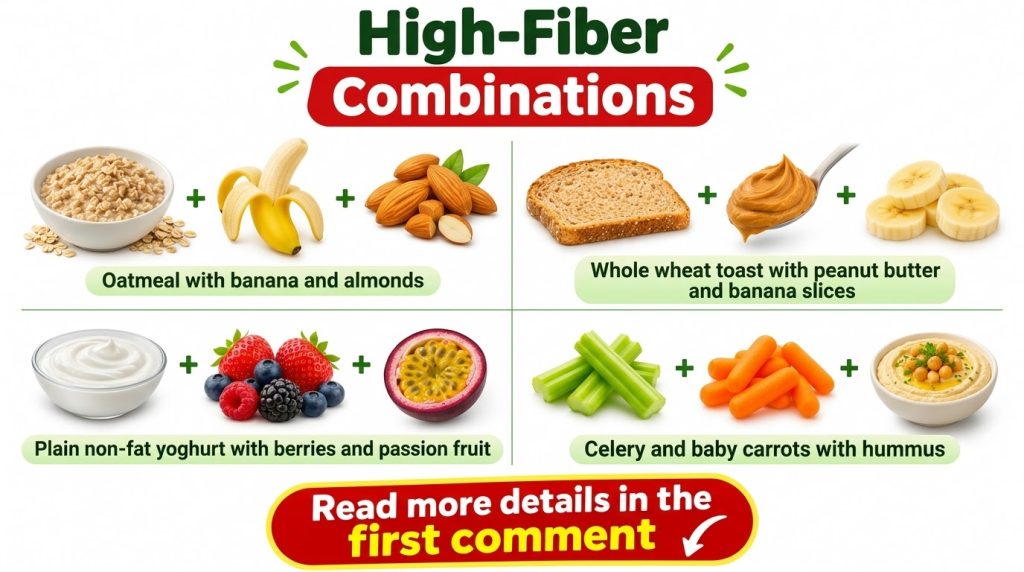
Warm oats topped with berries are a classic for good reason. Oats provide soluble fiber, and berries add more fiber along with natural sweetness. Stir in a spoonful of nut butter for extra staying power.
2. Crunchy Salad With Nuts
Pile dark leafy greens, shredded carrots, and chickpeas into a bowl. Add a handful of chopped almonds or walnuts for crunch. Beans and vegetables are two of the most reliable fiber sources in everyday meals.
3. Plain Yogurt With Chia and Fruit
Stir chia seeds into plain yogurt and let it sit for a few minutes so the seeds can soften. Top with sliced pear, apple, or berries. Chia seeds are small but surprisingly high in fiber for their size.
4. Whole-Grain Toast With Avocado and Seeds
Choose bread that lists a whole grain as the first ingredient. Spread mashed avocado on top and sprinkle with pumpkin or sunflower seeds. This combo is filling, simple, and easy to customize.

Practical Tips for Adding More Fiber
- Add one fiber-rich food to every meal, such as beans, berries, or whole grains.
- Increase fiber slowly over a few weeks to give your digestive system time to adjust.
- Drink plenty of water, since fiber works best alongside adequate fluids.
- Keep pre-washed greens, canned beans, and frozen berries on hand for quick meals.
- Leave the skins on fruits and vegetables when it is safe and practical to do so.
Frequently Asked Questions
How much fiber should I eat each day?
Many health organizations suggest adults aim for roughly 25 to 35 grams per day, though needs vary by age and sex. Your healthcare provider can help you find the right target.
Can I get enough fiber without eating oatmeal?
Yes. Beans, lentils, vegetables, fruits, nuts, seeds, and whole grains all contribute fiber. Variety is the easiest way to cover your needs.
Why do I feel bloated when I eat more fiber?
A sudden jump in fiber can cause gas or bloating. Increase your intake gradually and drink enough water to ease the transition.
Are berries a good source of fiber?
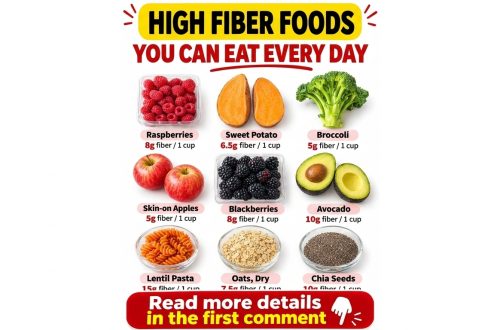
Yes. Raspberries and blackberries are especially fiber-rich, and most berries contribute a useful amount to your daily total.
Do I need supplements for fiber?
Whole foods are usually the best choice because they also provide vitamins, minerals, and other nutrients. Talk with a healthcare professional before starting any supplement.
What is an easy high-fiber snack?
Apple slices with a spoonful of peanut butter or a small handful of almonds with a pear makes a satisfying snack.
Conclusion
Fiber-rich meals can be simple, affordable, and delicious. Start with one of these combos tomorrow morning and see how you feel. Want more ideas? Explore our other guides on healthy breakfasts, gut-friendly foods, and easy meal prep. Which high-fiber combo will you try first, and what is your favorite fiber-rich snack? Share it in the comments!
This content is for educational purposes only and should not be considered medical advice. Consult a qualified healthcare professional for personalized dietary recommendations.