Don’t Pull It! Purslane: The Superfood Weed Hiding In Your Garden
Have you ever spent an afternoon meticulously pulling weeds from your garden, only to wonder if some of them might actually be… useful? What if one of those persistent little plants, often dismissed as a nuisance, was actually a powerhouse of nutrition, a true superfood hiding in plain sight?
Today, we’re going to shine a spotlight on a remarkable botanical often overlooked: purslane. It’s time to discover why this humble, succulent plant might just become your garden’s most cherished secret, offering a bounty of wellness benefits you’ve been unknowingly discarding.
Why This Matters
In our quest for natural wellness, we often turn to exotic fruits and expensive supplements. Yet, sometimes the most profound health boosters are closer than we think – perhaps even right outside our back door! Purslane, a resilient plant, has been a staple in traditional diets and folk medicine for centuries across various cultures, from the Mediterranean to India.
Why is this ‘weed’ gaining so much attention now? As more people seek sustainable, accessible, and natural ways to boost their health, the incredible nutritional profile of purslane stands out. It’s a testament to the idea that nature often provides exactly what we need, even in the most unexpected forms. You might have been pulling a plant loaded with Omega-3 fatty acids, antioxidants, and essential vitamins without even knowing it!
Main Educational Content
What Makes Purslane So Special? A Nutritional Deep Dive
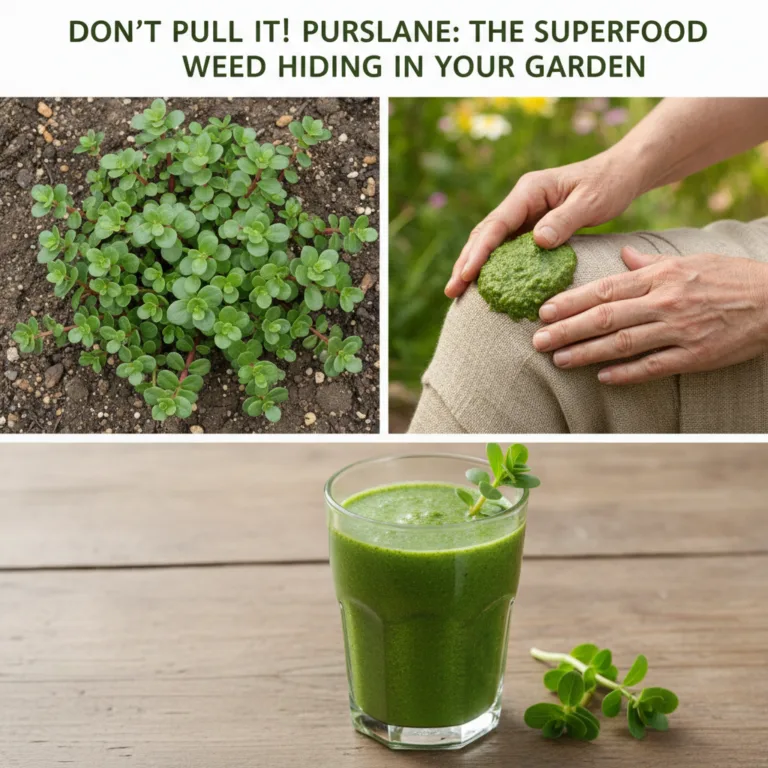
Purslane (Portulaca oleracea) is more than just a succulent plant with reddish stems and paddle-shaped leaves. It’s a nutritional marvel. Often thriving in warm climates and seemingly barren soil, this plant boasts an impressive array of compounds that support overall well-being.
- Omega-3 Fatty Acids: This is perhaps purslane’s most celebrated feature. It contains alpha-linolenic acid (ALA), a plant-based Omega-3, in significant amounts – more than most other leafy greens. Omega-3s are crucial for heart health, brain function, and managing inflammation.
- Antioxidants Galore: Purslane is rich in potent antioxidants like vitamins A, C, and E, as well as glutathione and beta-carotene. These compounds help combat oxidative stress, which can contribute to aging and various chronic conditions.
- Vitamins and Minerals: It’s a good source of B vitamins, magnesium, calcium, potassium, and iron, all vital for numerous bodily functions, from bone health to energy production.
- Bioactive Compounds: Beyond the basic nutrients, purslane also contains unique flavonoids and alkaloids that contribute to its potential health-promoting properties.
Traditional Wisdom Meets Modern Understanding
Historically, purslane wasn’t merely fodder for farm animals; it was a revered ingredient in many cultures. Its slightly tart and peppery flavor made it a welcome addition to salads and cooked dishes, especially in times when other greens were scarce.
- Traditional Use: Across ancient civilizations, purslane was traditionally used to address a range of issues, from digestive discomfort to skin irritations. It was often applied topically as a poultice for soothing minor skin complaints or consumed to help maintain overall vitality.
- Modern Scientific Understanding: While more research is always beneficial, some modern studies have begun to explore purslane’s traditional uses. Early findings suggest its rich antioxidant and anti-inflammatory properties may support its traditional roles, particularly in areas like cardiovascular health, skin health, and blood sugar balance. It’s important to remember that these are areas of ongoing research, and purslane works as a complementary support, not a cure.
Practical Guide
Harvesting and Preparing Purslane
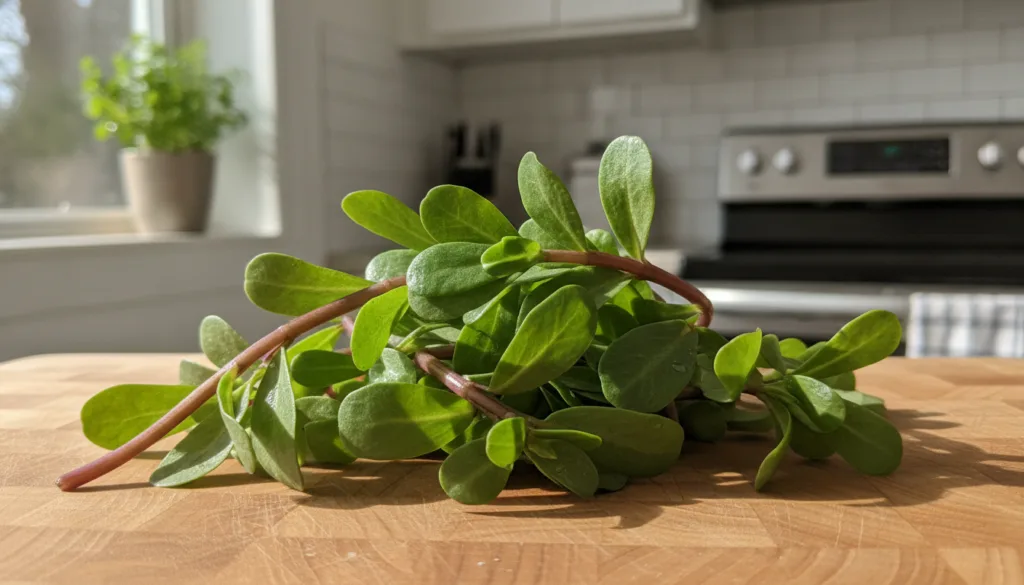
Finding purslane is often as simple as stepping into your garden or a sunny patch of disturbed soil. Look for its distinctive reddish stems and thick, succulent, spade-shaped leaves. It generally grows low to the ground, spreading outwards.
- Identify Correctly: Always be 100% sure you have identified purslane correctly before consuming any wild plant.
- Harvest: Gently snip the stems near the base, leaving some growth to encourage regeneration.
- Clean: Rinse thoroughly under cool water to remove any soil or debris.
- Storage: Store fresh purslane in a plastic bag in the refrigerator, much like other leafy greens. It can last for several days.
Delicious Ways to Enjoy Purslane
Embracing purslane in your diet is surprisingly easy and delightful!
- Raw in Salads: Its slightly tart, lemony, and peppery flavor makes it a fantastic addition to fresh salads. Combine it with cucumbers, tomatoes, feta cheese, and a light vinaigrette.
- Green Smoothies: Blend a handful of fresh purslane into your morning smoothie for an extra boost of Omega-3s and antioxidants. It pairs well with fruits like apples, bananas, and a bit of ginger.
- Stir-fries and Soups: Add purslane towards the end of cooking in stir-fries, soups, or stews. Its succulent texture holds up well, adding a unique flavor dimension.
- Garnishes: Use small sprigs as a fresh, edible garnish for sandwiches, omelets, or grilled dishes.
- Pickled Purslane: For a longer-lasting option, try pickling purslane stems and leaves. It makes a tangy condiment for various meals.
- Topical Application: Following traditional uses, some people create a simple poultice by crushing fresh purslane leaves and applying them directly to minor skin irritations or aches for a cooling effect. Always patch test first.
Safety & Precautions
While generally safe for most people when consumed in moderation, there are a few considerations:
- Oxalates: Like spinach and other leafy greens, purslane contains oxalates. Individuals prone to kidney stones should consume it in moderation or consult their healthcare professional. Cooking can help reduce oxalate content.
- Allergies: If you have allergies to other plants in the Portulacaceae family, exercise caution.
- Pregnancy & Breastfeeding: Limited research is available on purslane’s effects during pregnancy and breastfeeding. It’s always best to consult a healthcare professional before making significant dietary changes.
- Medication Interactions: If you are on medication, especially blood thinners or diuretics, speak to your doctor before incorporating large amounts of purslane into your diet, due to its vitamin K and potassium content.
Key Takeaways
- Purslane, often considered a weed, is a nutrient-dense superfood.
- It is notably rich in plant-based Omega-3 fatty acids, antioxidants, and essential vitamins and minerals.
- Traditionally used for both culinary and medicinal purposes, modern science is beginning to support some of these historical applications.
- It can be easily incorporated into salads, smoothies, stir-fries, and even used topically.
- Always practice proper identification and moderation, especially if you have existing health conditions or are on medication.
FAQ
Q1: How do I identify purslane in my garden?
A1: Look for thick, succulent, paddle-shaped leaves and reddish, creeping stems that grow low to the ground. It often has a distinct star-shaped cluster of small yellow flowers at the stem tips.
Q2: What does purslane taste like?
A2: Purslane has a unique flavor – slightly tart and lemony, with a peppery kick and a crisp, juicy texture, similar to watercress or spinach but more succulent.
Q3: Can I eat purslane raw?
A3: Yes, purslane is excellent eaten raw in salads, sandwiches, or as a garnish. This is often the best way to retain its full nutritional value.
Q4: Is purslane good for weight loss?
A4: While no single food causes weight loss, purslane is low in calories, high in fiber (when consumed in larger quantities), and rich in nutrients, making it a healthy addition to a balanced diet that supports weight management.
Q5: What’s the difference between common purslane and spring purslane?
A5: Common purslane (Portulaca oleracea) is typically found as a groundcover ‘weed’ in gardens. Spring purslane (Claytonia virginica) is a different plant, a native wildflower with delicate leaves and white flowers, also edible but less common in most gardens.
Related Reading
- The Hidden Benefits of Dandelion Greens: Another Edible Weed
- Boosting Omega-3s: Plant-Based Sources for Heart Health
- Natural Anti-Inflammatory Foods to Add to Your Diet
- Gardening for Wellness: Cultivating Your Own Herbal Remedies
- Simple Green Smoothies for Everyday Vitality