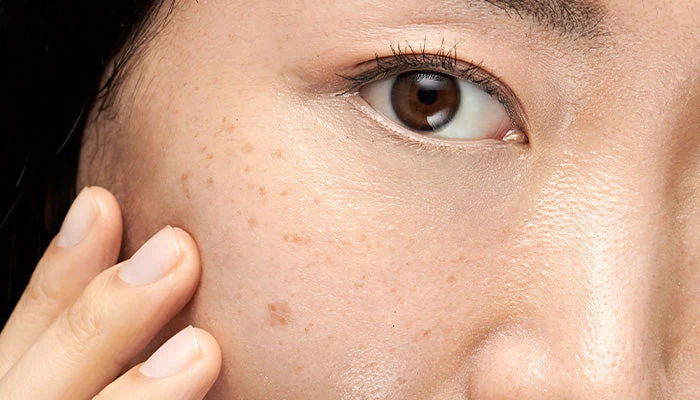
Dark spots are a common skin concern for many people. While they can be frustrating, the good news is that with the right approach, they can be managed effectively without compromising overall skin health. Understanding why dark spots form and how to care for your skin properly is key to achieving a clearer, more even complexion over time.
(Cre: internet)
Understanding Dark Spots
Dark spots, also known as hyperpigmentation, occur when certain areas of the skin produce more melanin than usual. This overproduction can be triggered by several factors, including prolonged sun exposure, hormonal changes, inflammation, or acne scars.
Identifying the underlying cause of dark spots is an important step in choosing the most effective treatment and preventing further discoloration.
Sun Protection: Your First Line of Defense
Protecting your skin from the sun is one of the most effective ways to prevent and manage dark spots. Ultraviolet (UV) rays stimulate melanin production, which can worsen existing pigmentation and cause new spots to form.
Using a broad-spectrum sunscreen with at least SPF 30 every day helps shield the skin from harmful UV exposure. Many people notice gradual improvement in their skin tone when sunscreen becomes a consistent part of their daily routine, especially in sunny climates.
Incorporating Vitamin C into Your Routine
Vitamin C is a powerful antioxidant known for its ability to brighten the skin and reduce the appearance of dark spots. It helps neutralize free radicals, supports collagen production, and promotes a more even skin tone.
Regular use of a vitamin C serum can lead to noticeable improvements over time. Research suggests that consistent application may help reduce hyperpigmentation and improve overall skin radiance.
Exfoliation: Removing Dead Skin Cells
Exfoliation plays an important role in improving skin texture and tone by removing dead skin cells and encouraging cell turnover. This process can help lighten dark spots and reveal smoother, more even-looking skin.
Gentle exfoliants such as glycolic acid or lactic acid, used once or twice a week, are often effective without causing excessive irritation. Many people experience clearer, brighter skin after incorporating mild exfoliation into their routine.
The Role of Retinoids
Retinoids, derived from vitamin A, are widely used in skincare for their ability to accelerate cell turnover and boost collagen production. They are particularly effective in addressing dark spots and improving skin texture.
Dermatologists frequently recommend retinoids for individuals dealing with persistent hyperpigmentation, as they help fade discoloration gradually while supporting long-term skin renewal.
Hydration: Keeping Your Skin Moisturized
Proper hydration is essential for maintaining healthy skin. Well-moisturized skin tends to function better, recover faster, and appear more radiant.
Moisturizers containing ingredients like hyaluronic acid or glycerin help retain moisture and strengthen the skin’s natural barrier. Keeping the skin hydrated can also reduce irritation and support the effectiveness of other treatments used for dark spots.
Diet and Lifestyle Considerations
Diet and lifestyle choices have a noticeable impact on skin health. Consuming foods rich in antioxidants—such as berries, leafy greens, and other fruits and vegetables—can help reduce inflammation and support skin repair.
Staying hydrated by drinking enough water throughout the day also plays a role in flushing out toxins and maintaining overall skin balance, which may contribute to a more even complexion.
Addressing Common Questions
-
Can dark spots be completely removed?
While it can be difficult to eliminate dark spots entirely, many treatments can significantly lighten them and improve overall skin tone.
-
How long does it take to see results?
Results vary depending on the treatment used, but most people begin to notice improvements within 4–6 weeks of consistent care.
-
Are natural remedies effective?
Some natural ingredients, such as aloe vera or green tea extract, may help lighten dark spots. However, these options often work more slowly compared to clinical or dermatological treatments.
Sources
-
https://www.healthline.com/health/how-to-get-rid-of-dark-spots-on-face
-
https://www.webmd.com/beauty/what-are-dark-spots-on-the-skin