August Cuttings Guide: Multiply Your Favorite Plants for Free
Imagine your garden flourishing with more of your beloved plants, not just this season but for years to come—all without spending another dime at the nursery. It sounds like a dream, but with the power of plant propagation through cuttings, it’s a very achievable reality. August, often a time when the garden hums with growth, presents a prime opportunity to embark on this incredibly rewarding journey. It’s easier than you might think to transform a few snips into a whole new generation of plants, filling your beds, pots, and even gifting opportunities.
This guide will demystify the art of taking cuttings in late summer, turning you into a propagation pro. We’ll cover the essential steps, highlight ideal candidates like Fuchsia and many others, and equip you with the practical knowledge to expand your green oasis sustainably and affordably. Get ready to watch your garden multiply!
Why August is Prime Time for Cuttings
August falls right in that sweet spot for taking many types of plant cuttings. During this month, many plants are actively growing, but their new shoots have started to mature slightly, shifting from very soft, tender growth (softwood) to a slightly firmer, more established stage (semi-hardwood). This “Goldilocks” stage means the cuttings are pliable enough to root relatively quickly but sturdy enough to survive the process.
The warm soil temperatures and generally consistent warmth of late summer also contribute to successful rooting. Warmth at the base of the cutting encourages cell division and root formation, while the plant still has enough vitality from the mother plant to focus energy on developing a new root system before cooler weather sets in. It’s an ideal window to get a head start on next year’s garden or to multiply plants you love for free.
The Core Principle: Stem Cuttings Made Easy
At its heart, taking stem cuttings is about coaxing a piece of a parent plant to develop its own root system, essentially creating a genetic clone. This method works wonderfully for a vast array of ornamental plants, shrubs, and even some herbs. The key steps involve selecting healthy material, making clean cuts, preparing the cutting, and providing the right environment for roots to form.
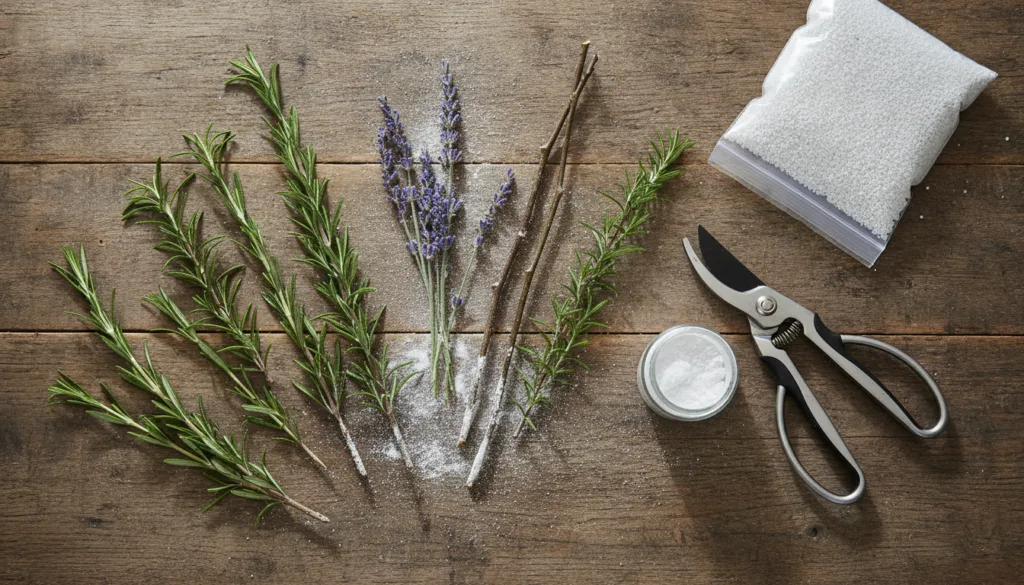
What You’ll Need:
- Sharp, clean pruning shears or a razor blade
- Rubbing alcohol (to sterilize tools)
- A rooting medium (seed-starting mix, perlite, vermiculite, or a 50/50 mix of peat moss and perlite)
- Small pots or trays with drainage holes
- Rooting hormone (optional, but highly recommended for many plants)
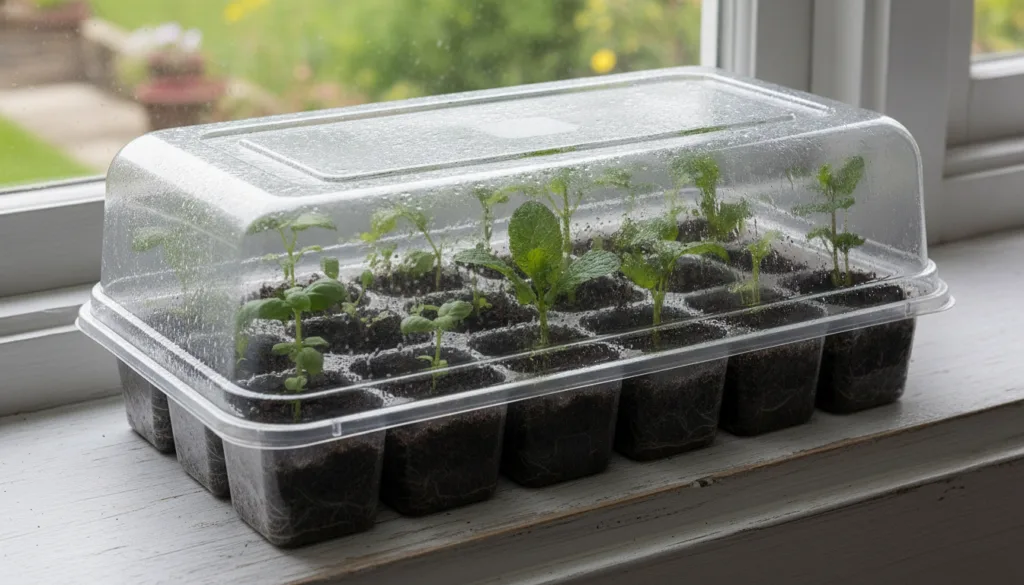
- A clear plastic dome, plastic bag, or clear tote to create a humidity chamber
- A spray bottle for misting
Step-by-Step Guide to Taking August Cuttings
Following these steps will give your cuttings the best chance of success:
- Select Healthy “Semi-Hardwood” Material: Look for stems that are firm but still slightly flexible, usually growth from the current season. Avoid very tender new growth or old, woody stems. Choose stems free of pests or disease. Early morning is the best time to take cuttings when plants are fully hydrated.
- Prepare Your Cuttings: Using your sterilized shears, cut 4-6 inch sections from the parent plant. Each cutting should have at least 3-4 nodes (the points where leaves or branches emerge). Make your cut just below a node. Remove the leaves from the bottom 1-2 inches of the cutting, leaving only 2-4 leaves at the top. This reduces moisture loss while ensuring enough surface area for photosynthesis.
- Apply Rooting Hormone (Optional but Recommended): Dip the cut end of each prepared stem into rooting hormone powder or gel. Tap off any excess. Rooting hormone stimulates root development and can significantly increase your success rate.
- Plant in Rooting Medium: Fill your small pots or trays with your chosen rooting medium. Make a small hole with a pencil or dibber, then gently insert the cutting into the hole, ensuring at least one node is buried. Firm the medium lightly around the cutting. Planting directly into the medium without pre-making a hole can scrape off rooting hormone.
- Create a Humidity Chamber: Water your cuttings thoroughly. Then, cover the pots with a clear plastic dome, a plastic bag supported by stakes, or a clear tote. This creates a humid environment, crucial for preventing cuttings from drying out before they can absorb water through roots.
- Provide Indirect Light and Warmth: Place your humidity chamber in a location with bright, indirect light. Avoid direct, scorching sunlight, which can cook your cuttings. A warm spot (around 65-75°F or 18-24°C) will encourage faster rooting. A heating mat can be beneficial if your environment is cool.
- Maintain Moisture and Ventilation: Keep the rooting medium consistently moist but not soggy. Mist the inside of the humidity dome or bag daily. Open the dome for a few minutes each day to allow for air circulation and prevent fungal diseases. You might see condensation, which is normal.
- Check for Roots: After 2-6 weeks (depending on the plant), gently tug on a cutting. If you feel resistance, roots have likely formed. You may also see new leaf growth. Once rooted, gradually acclimate the young plants to lower humidity by progressively opening the dome over several days before removing it entirely.
Great Candidates for August Cuttings
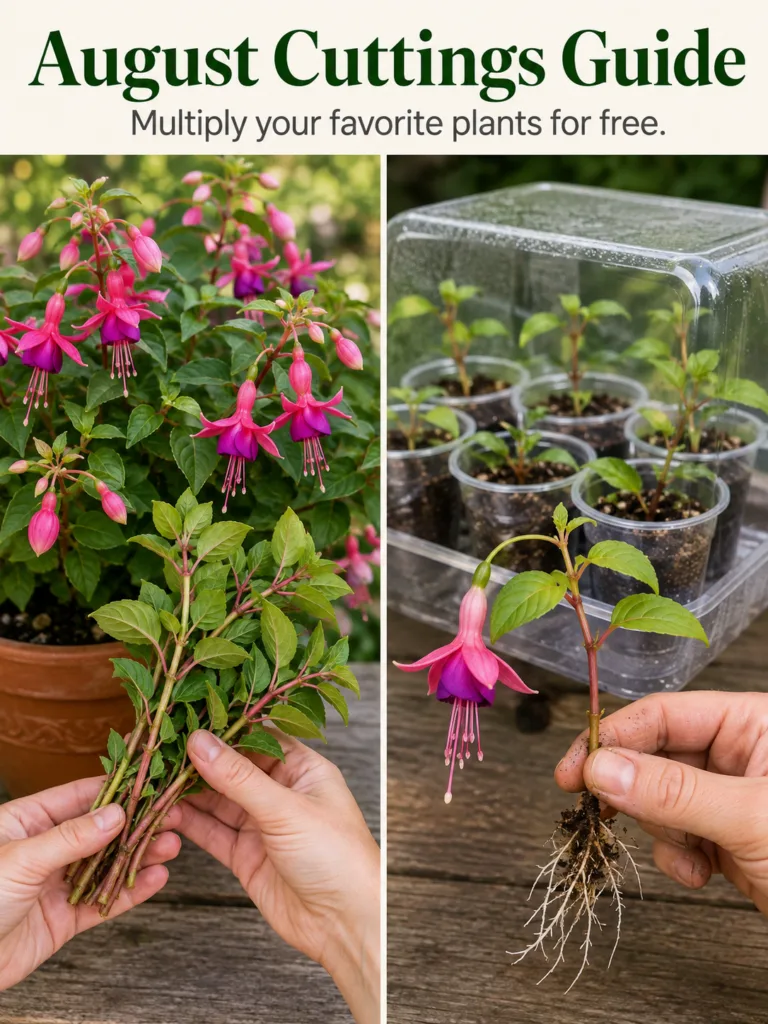
While the image features Fuchsia, many other plants thrive when propagated in August. Here are some popular choices:
Fuchsia (Fuchsia spp.)
These elegant plants with their pendulous, bell-shaped flowers are perfect for August cuttings. They root readily and can be overwintered indoors as houseplants or grown as annuals in colder climates.
- Hardiness: Zones 6-11 (often grown as annuals or overwintered indoors elsewhere)
- Plant type: Perennial shrub, often treated as an annual or houseplant
- Exposure: Partial shade to full shade in hot climates
- Height: 1-6 feet, depending on cultivar
- Spread: 1-3 feet
- Practical Tip: To encourage bushier growth on new fuchsia plants, pinch back the growing tips once they have several sets of leaves.
Geraniums (Pelargonium spp.)
Easy to root and incredibly rewarding, zonal geraniums and ivy geraniums are classic choices. Propagating them in August means you can have new plants to overwinter indoors and plant out next spring.
- Hardiness: Zones 9-11 (often grown as annuals or overwintered indoors elsewhere)
- Plant type: Tender perennial, often grown as an annual
- Exposure: Full sun to partial sun
- Height: 1-3 feet
- Spread: 1-2 feet
- Practical Tip: Allow geranium cuttings to “callus” for a few hours in a dry, airy spot before planting. This helps prevent rot.
Coleus (Plectranthus scutellarioides)
Known for their vibrant foliage, coleus cuttings root almost effortlessly, often in just water! Propagating them ensures you can enjoy their stunning colors year after year, especially if you bring them indoors for winter.
- Hardiness: Zones 10-11 (typically grown as an annual)
- Plant type: Tender perennial, often grown as an annual
- Exposure: Partial shade to full shade (depending on cultivar)
- Height: 1-3 feet
- Spread: 1-2 feet
- Practical Tip: Coleus roots incredibly well in a glass of water. Change the water every few days to keep it fresh.
Hydrangea (Hydrangea spp.)
Many popular hydrangea varieties, like Bigleaf (H. macrophylla) and Panicle (H. paniculata), can be propagated from semi-hardwood cuttings in late summer. This is an excellent way to get more of these show-stopping shrubs.
- Hardiness: Zones 3-9 (varies by species/cultivar)
- Plant type: Deciduous shrub
- Exposure: Partial sun to partial shade
- Height: 3-15 feet, depending on cultivar
- Spread: 3-10 feet
- Practical Tip: To increase success, try taking multiple cuttings from different parts of a healthy hydrangea bush.
Rosemary (Salvia rosmarinus)
This aromatic herb is fantastic for semi-hardwood cuttings in August. You can easily start new plants for your herb garden or to keep indoors on a sunny windowsill.
- Hardiness: Zones 7-10 (can be grown as an annual or overwintered indoors in colder zones)
- Plant type: Evergreen shrubby herb
- Exposure: Full sun
- Height: 2-6 feet
- Spread: 2-4 feet
- Practical Tip: Rosemary cuttings prefer a well-draining, slightly sandy rooting medium.
Lavender (Lavandula spp.)
Another fragrant favorite, lavender cuttings taken in August will root well. Start them now to have established plants ready for your perennial garden next spring.
- Hardiness: Zones 5-9 (varies by species/cultivar)
- Plant type: Perennial subshrub
- Exposure: Full sun
- Height: 1-3 feet
- Spread: 1-3 feet
- Practical Tip: Ensure good air circulation around lavender cuttings to prevent fungal issues.
Common Mistakes and How to Avoid Them
Even experienced gardeners can make propagation missteps. Here’s how to sidestep the most common issues:
- Using Unsterilized Tools: Dirty tools can introduce diseases to your cuttings, leading to rot. Always sterilize your shears with rubbing alcohol between cuts and between different plants.
- Taking Cuttings from Weak Plants: Cuttings from stressed or unhealthy parent plants are less likely to root. Choose vigorous, disease-free stems for the best results.
- Letting Cuttings Dry Out: Cuttings don’t have roots to absorb water, so high humidity is critical. Ensure your humidity dome or bag is sealed well, and mist regularly.
- Overwatering the Medium: While humidity is good, a soggy rooting medium suffocates roots and promotes fungal diseases like damping-off. The medium should be consistently moist, like a wrung-out sponge, not soaking wet. Ensure good drainage.
- Placing Cuttings in Direct Sun: Direct sun through a humidity dome can create oven-like conditions, cooking your delicate cuttings. Bright, indirect light is best.
- Being Impatient: Rooting takes time. Resist the urge to constantly pull up cuttings to check for roots, as this can damage newly forming rootlets. Wait for visible signs of new growth or gentle resistance when tugged.
Regional and Seasonal Considerations Across the U.S.
While August is generally a great month for semi-hardwood cuttings, how you manage your newly rooted plants will depend on your specific USDA Hardiness Zone and local climate:
- Zones 3-5 (Northern Climates): Cuttings rooted in August will need to be protected over winter. Many will thrive indoors as houseplants under bright conditions or in a cool, dormant state if applicable. Plan to transplant them outdoors after the last frost in spring.
- Zones 6-8 (Mid-Atlantic, Pacific Northwest, etc.): Depending on the plant, some rooted cuttings might be able to survive outdoors with mulch protection, especially if planted in sheltered spots. However, bringing them indoors for winter is still the safest bet for many tender perennials.
- Zones 9-11 (Southern, Coastal & Mild Climates): In these warmer zones, rooted cuttings may be able to be transplanted directly into the garden in late fall or early spring, as long as they are sufficiently established. Keep an eye on local frost dates and protect young plants during any unexpected cold snaps. Indoor propagation is still effective for providing a controlled environment for initial rooting.
Always consider your local first and last frost dates, as well as typical winter conditions, when planning the long-term care of your new plants.
Conclusion: Grow More, Spend Less, Connect Deeper
Propagating plants from cuttings is more than just a gardening technique; it’s an act of creation, a step towards a more sustainable garden, and a way to connect deeply with the life cycle of your plants. By embracing the “August Cuttings Guide,” you unlock the potential to fill your garden with abundance, share your passion with others, and cultivate a sense of accomplishment that store-bought plants can’t quite match.
So, gather your tools, head out into your garden, and take those first confident snips. The lush, vibrant garden of your dreams is just a few cuttings away!