Imagine stepping out your front door not just to a sea of green grass, but to a vibrant tapestry of fresh produce, fragrant herbs, and beautiful blooms, all ready for your harvest. For many homeowners, the front lawn represents a significant commitment of time, water, and resources, often without offering much in return beyond aesthetics. But what if that space could be so much more? What if it could feed your family, enhance your home’s curb appeal, and connect you more deeply with nature?
Transforming your conventional lawn into a productive edible garden is a growing movement, and for good reason. It’s a journey that promises not just fresh, organic food, but also a stunning landscape that reflects your values. Far from being a chaotic patch, an edible front yard can be designed with elegance and purpose, becoming a true oasis of abundance. Let’s explore how you can turn your lawn into a lush, edible landscape that will be the envy of your neighborhood.
The Core Principle: Why Go Edible?
The shift from an ornamental lawn to an edible landscape is more than just a trend; it’s a return to practical, sustainable living. Beyond the obvious benefit of fresh, hyper-local produce, edible front yards offer a multitude of advantages:
- Food Security & Freshness: Reduce trips to the grocery store and enjoy nutrient-dense, chemical-free food picked at its peak.
- Water Conservation: Thoughtfully designed edible gardens can often be more water-efficient than thirsty turf grass, especially with smart irrigation systems.
- Biodiversity & Pollinators: A diverse array of edible plants, especially those that flower, attracts beneficial insects, bees, and butterflies, supporting local ecosystems.
- Curb Appeal: When designed well, an edible garden can be far more beautiful and interesting than a monoculture lawn, adding character and charm to your home.
- Community Engagement: Edible front yards often spark conversations, inspire neighbors, and can even contribute to local food-sharing initiatives.
- Educational Value: They provide a living classroom for children and adults to learn about where food comes from.
Planning Your Edible Front Yard Oasis
A successful transformation starts with thoughtful planning. This isn’t just about planting; it’s about designing a functional and beautiful space.
Assess Your Space & Sunlight
Before you dig, observe your yard. Most edible plants, especially vegetables and many herbs, require at least 6-8 hours of direct sunlight per day to thrive and produce abundantly. Track the sun’s path throughout the day and across seasons. Note any areas that are shaded by trees, the house, or fences. While some leafy greens can tolerate partial shade, fruit-bearing plants need full sun.
Design for Beauty and Function
An edible front yard doesn’t have to look like a farm field. Integrate aesthetics with productivity:
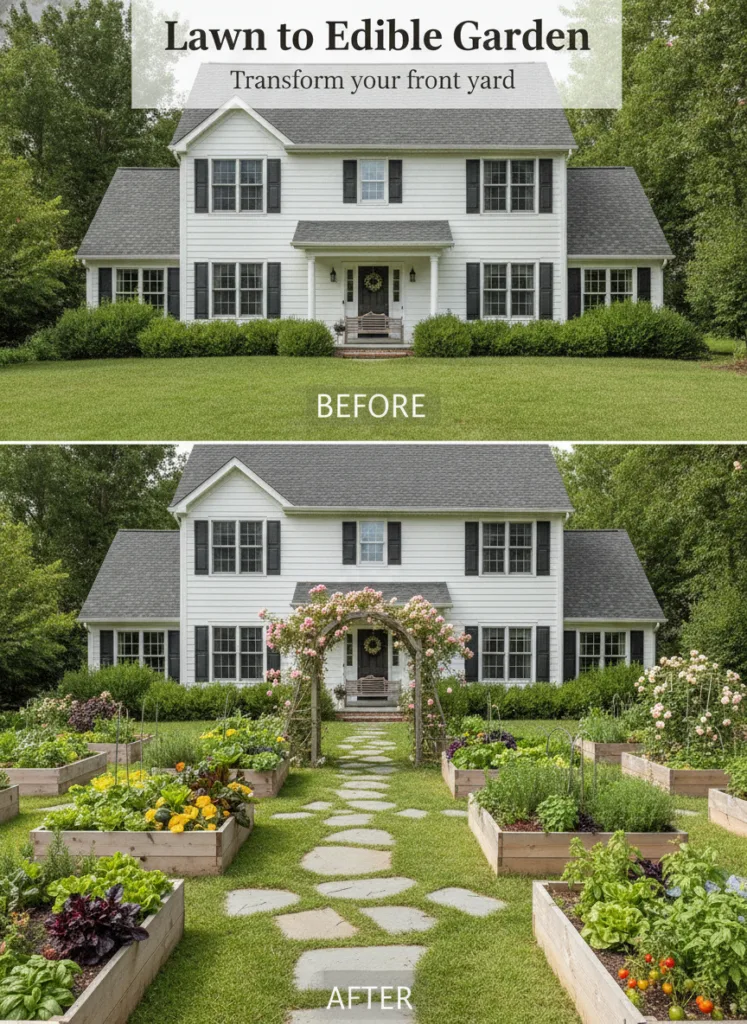
- Pathways: Create inviting paths using stone pavers, gravel, or mulch. These define spaces, allow access, and add visual interest, as seen in many successful transformations.
- Structure: Incorporate raised beds, trellises, arbors, and vertical elements. Raised beds offer excellent drainage and soil control, while trellises for climbing beans, cucumbers, or even small squash add height and maximize space.
- Plant Selection: Mix edibles with ornamentals. Edible flowers like nasturtiums, calendula, or pansies add color and attract pollinators. Consider attractive herbs like rosemary, thyme, or lavender that offer year-round interest.
- Layering: Plant taller specimens in the back or center, medium-height plants in the middle, and shorter plants or groundcovers along the edges to create depth and visual appeal.
Choosing Your Growing Method: In-Ground or Raised Beds?
Both methods have their merits, and often a combination works best:
- In-Ground Gardening: If your native soil is good, in-ground beds can be cost-effective. You’ll need to amend the soil significantly to ensure fertility and drainage.
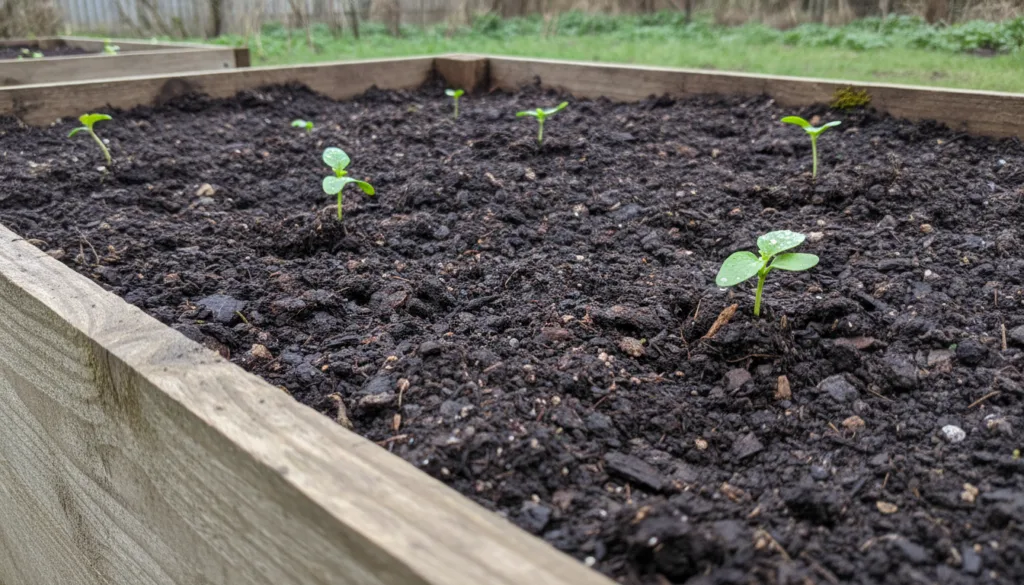
- Raised Beds: As highlighted in successful garden designs, raised beds are an excellent choice for front yards. They allow you to control soil quality completely, provide excellent drainage, warm up faster in spring, and reduce bending. They also offer a tidy, architectural look that can significantly elevate your garden’s aesthetic. Use untreated lumber or durable materials like stone for construction.
Essential Steps to Transform Your Lawn
Suppress the Grass, Build the Soil
The first practical step is to remove or suppress your existing lawn. Avoid harsh chemicals. Instead, consider:
- Sheet Mulching (Lasagna Gardening): Layer cardboard, compost, and organic materials directly over your lawn. This smothers the grass, builds rich soil, and improves soil structure over time.
- Solarization: Cover the area with clear plastic sheeting during hot months. The sun’s heat will kill the grass and many weed seeds.
- Manual Removal: For smaller areas, physically digging up sod is an option, though labor-intensive.
Once the grass is gone, focus on soil. Whether in-ground or in raised beds, healthy soil is the foundation of a productive garden. Amend with plenty of organic matter like compost, aged manure, and leaf mold to create a nutrient-rich, well-draining environment.
Selecting Your Edibles: What to Grow?
Choose plants that thrive in your climate and suit your aesthetic vision:
Leafy Greens (Lettuce, Kale, Chard, Spinach)
- Hardiness: Varies. Many are cool-season crops (spring/fall), some tolerate summer heat with partial shade.
- Plant type: Annual or biennial, typically grown as annuals.
- Exposure: Full sun to partial shade (especially important in hot summer regions to prevent bolting).
- Soil & Watering: Rich, consistently moist, well-drained soil.
- Growth Habit: Compact to spreading, ideal for continuous harvest.
- Care Tip: Practice ‘cut-and-come-again’ harvesting for many varieties, taking outer leaves to encourage new growth. Succession sow every few weeks for a continuous supply.
Herbs (Rosemary, Thyme, Oregano, Basil)
- Hardiness: Varies greatly. Rosemary (Salvia rosmarinus) is perennial in USDA Zones 7-10; often grown as an annual or overwintered indoors in colder zones.
- Plant type: Perennial, annual (Basil), or tender perennial.
- Exposure: Most herbs prefer full sun (6+ hours).
- Soil & Watering: Well-drained soil is crucial, especially for Mediterranean herbs like rosemary which prefer drier conditions once established. Water deeply but infrequently.
- Growth Habit: Bushy, upright, or creeping. Rosemary can become a substantial shrub.
- Care Tip: Regular harvesting encourages bushier growth and provides you with fresh flavor. Prune rosemary after flowering to maintain shape and vigor.
Flowering Edibles & Companions (Climbing Roses, Nasturtiums)
- Climbing Roses (Rosa spp.): While primarily ornamental, many varieties produce edible rose hips rich in Vitamin C. They add stunning vertical interest to an archway or trellis.
- Hardiness: Varies by cultivar, generally USDA Zones 4-9.
- Plant type: Perennial woody vine.
- Exposure: Full sun (at least 6 hours) for best flowering and health.
- Soil & Watering: Rich, well-drained soil. Consistent moisture, especially during dry spells.
- Care Tip: Provide strong support like an arbor or sturdy trellis from the start. Prune to shape and encourage new growth after flowering, removing dead or crossing canes. Deadhead spent blooms for continuous flowering, or allow some to form hips if desired.
- Nasturtiums (Tropaeolum majus): Edible flowers and leaves with a peppery kick. They also serve as a trap crop for aphids.
- Hardiness: Annual.
- Exposure: Full sun to light shade.
- Care Tip: Plant them alongside other edibles. They are easy to grow from seed.
Watering, Feeding, and Ongoing Care
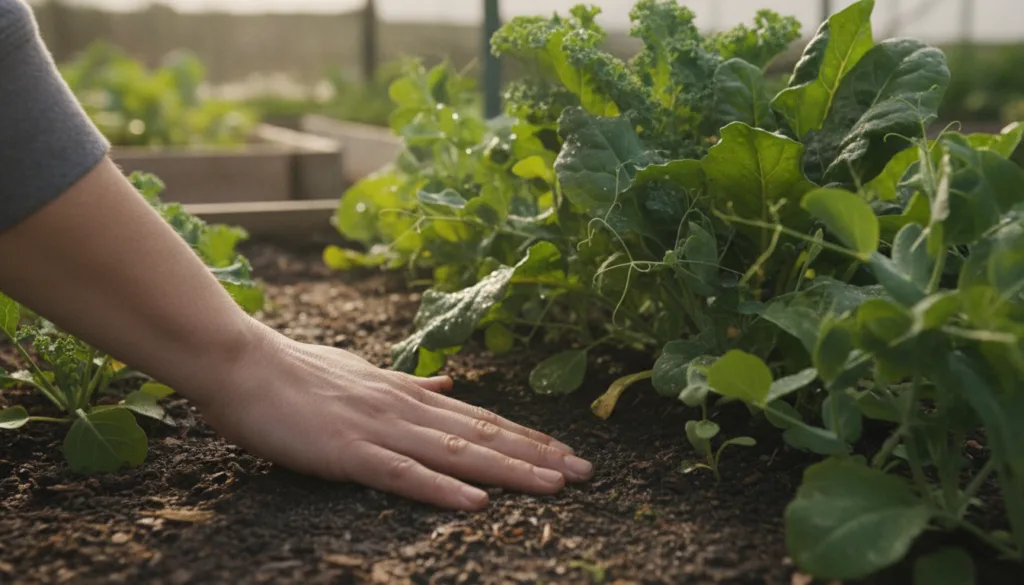
Consistent watering is key, especially for edibles. Raised beds can dry out faster, so monitor soil moisture regularly. Stick your finger about an inch or two into the soil; if it feels dry, it’s time to water. Consider drip irrigation or soaker hoses for efficiency. Feed your plants with organic compost or a balanced organic fertilizer throughout the growing season. Regular harvesting not only gives you food but also encourages plants to produce more. Stay vigilant for pests and diseases, addressing issues promptly with organic solutions like hand-picking or insecticidal soap.
Common Mistakes to Avoid
- Underestimating Sunlight Needs: Many edibles need significant sun. Don’t place sun-loving plants in shaded spots.
- Poor Soil Preparation: Skipping soil amendment leads to stunted growth. Invest time in creating rich, well-drained soil.
- Overcrowding: Give plants enough space for airflow and growth. Overcrowding reduces yields and increases disease risk. Refer to seed packet spacing recommendations.
- Inconsistent Watering: Erratic watering can stress plants, leading to blossom end rot in tomatoes or bolting in lettuce. Aim for consistent moisture.
- Ignoring Aesthetics: While functional, an edible front yard should also be beautiful. Integrate ornamental elements and maintain tidiness.
- Lack of Support: For climbing plants like pole beans, cucumbers, or roses, install trellises or arbors early in their growth.
Regional Considerations for Edible Front Yards
Your specific climate and USDA Hardiness Zone will heavily influence your planting schedule and plant choices:
- Zones 3-5 (Northern Climates): Focus on cold-hardy varieties and extend your season with row covers or cold frames. Start seeds indoors earlier. Many perennials may need winter protection or be grown as annuals.
- Zones 6-8 (Temperate Climates): Enjoy a longer growing season. You can often get two or even three distinct harvests of cool-season crops. Experiment with a wider variety of edibles.
- Zones 9-11 (Southern & Warm Climates): Summer heat can be intense. Prioritize heat-tolerant varieties or plant cool-season crops in fall and winter. Provide afternoon shade for some plants. Many plants considered annuals elsewhere can be perennials here.
Always consult your local university extension office for region-specific planting calendars and advice. They are an invaluable resource for understanding local frost dates, soil conditions, and pest challenges.
Your Edible Front Yard Awaits!
Transforming your lawn into an edible oasis is a journey of discovery, creativity, and delicious rewards. It’s a powerful statement about your commitment to sustainability, health, and beauty right at your doorstep. With careful planning, healthy soil, smart plant choices, and consistent care, your front yard can become a vibrant, productive landscape that brings joy, fresh food, and endless satisfaction. Start small, learn as you grow, and watch your edible dreams blossom into reality!