Sunlight Secrets for a Thriving Garden: Your Essential Vegetable Recipe
Welcome, fellow garden enthusiasts! Have you ever wondered why some of your plants thrive while others struggle, even when given the same love and care? The secret often lies in one crucial ingredient: sunlight. Just like a chef follows a recipe, a gardener must understand the ‘sunlight recipe’ for each plant to ensure a bountiful harvest. Let’s unlock the power of the sun for your vegetable garden!
Why Sunlight is the Ultimate Garden Ingredient
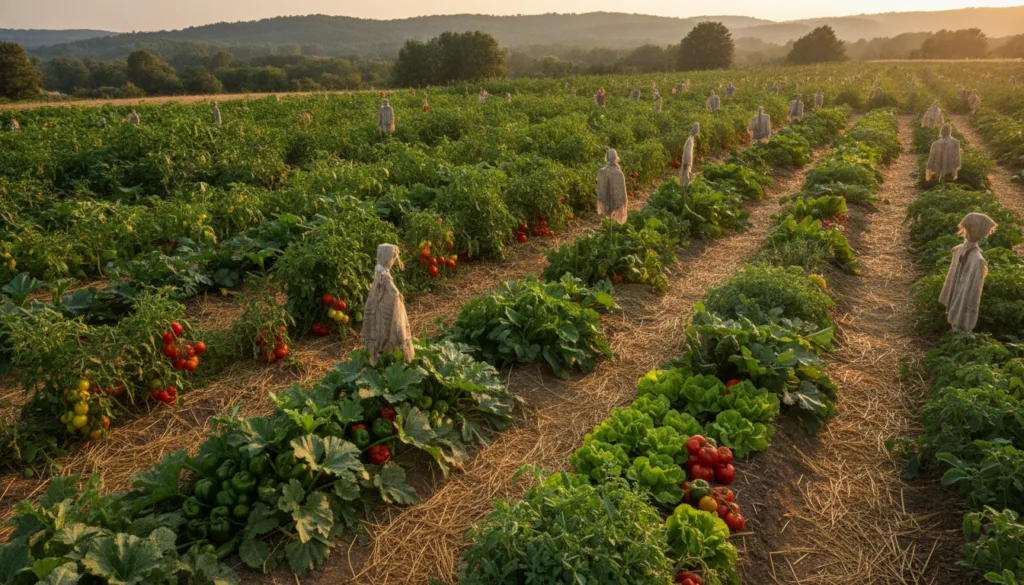
Sunlight isn’t just about warmth; it’s the primary energy source for photosynthesis, the magical process where plants convert light into food. Without enough sunlight, plants can become leggy, weak, and produce fewer fruits or vegetables. Too much intense sun can also scorch delicate leaves. Finding the right balance is key!
Understanding Sunlight Terminology
- Full Sun: At least 6-8 hours of direct sunlight per day. Most fruiting vegetables (tomatoes, peppers, squash) fall into this category.
- Partial Sun: 4-6 hours of direct sunlight, often in the morning or late afternoon, with some shade during the hottest part of the day.
- Partial Shade: 2-4 hours of direct sunlight, usually morning sun, or dappled light throughout the day.
- Full Shade: Less than 2 hours of direct sunlight. Very few edibles thrive here, but some leafy greens can tolerate it.
Mapping Your Garden’s Sunlight Zones
Before planting anything, take some time to observe your garden. This is perhaps the most critical step in creating a successful vegetable patch.
- Hourly Observation: Spend a day (or even several days over a week) observing which areas of your garden receive direct sunlight at different times. Note how shadows move throughout the day.
- Seasonal Changes: Remember that the sun’s path changes with the seasons. A spot that gets full sun in spring might be partially shaded by a leafless tree in summer.
- Draw a Map: Sketch out your garden space and mark areas as ‘full sun,’ ‘partial sun,’ and ‘partial shade.’ This visual guide will be invaluable for planning.

Matching Vegetables to Their Sunlight Needs
Once you know your garden’s sunlight patterns, you can strategically place your plants. Here are some common vegetables and their typical sunlight requirements:
Sun-Loving Superstars (6-8+ hours of direct sun)
- Tomatoes
- Peppers (Bell, Chili)
- Eggplant
- Squash (Summer & Winter)
- Cucumbers
- Corn
- Beans
- Melons
Partial Sun Performers (4-6 hours of direct sun)
- Carrots
- Radishes
- Beets
- Swiss Chard
- Kale
- Spinach (especially in warmer climates to prevent bolting)
- Broccoli
- Cauliflower
Shade-Tolerant Tidbits (2-4 hours of direct sun or dappled light)
- Lettuce
- Arugula
- Mustard Greens
- Most Herbs (mint, cilantro, parsley)
- Some varieties of spinach and kale
Optimizing Your Garden Layout
Thoughtful garden design can maximize your available sunlight.
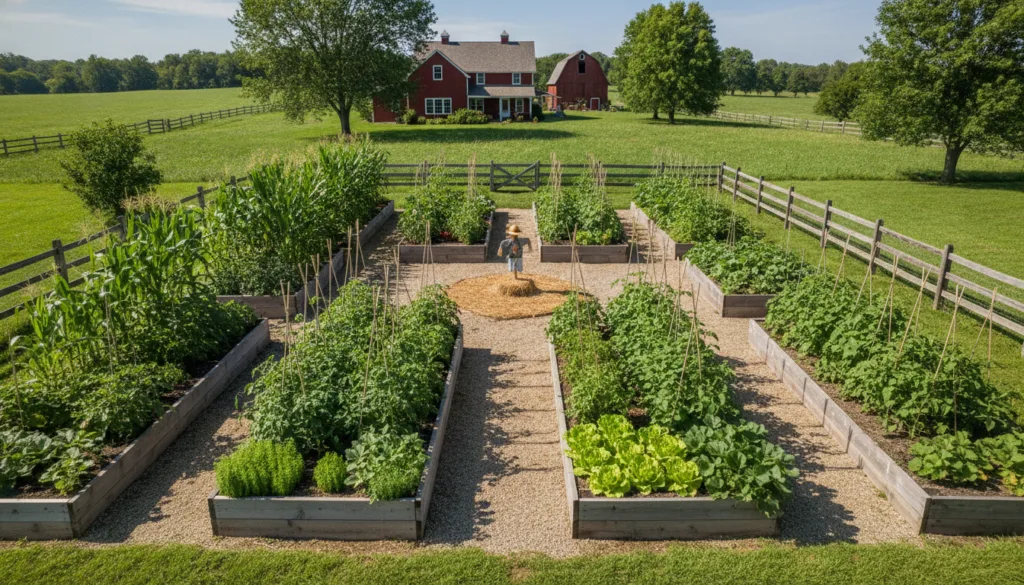
- Tall to the North: Place taller plants (like corn or trellised tomatoes) on the north side of your garden beds. This prevents them from shading out smaller plants to their south.
- Vertical Gardening: Use trellises, stakes, and cages to grow vining plants upwards, allowing them to reach more sun and saving ground space.
- Container Gardening: If you have limited space or inconsistent sun patterns, grow vegetables in containers. This allows you to move plants to follow the sun or protect them from intense afternoon heat.
- Pruning: Trim back overgrown trees or shrubs that might be casting unwanted shadows on your garden.
Troubleshooting Sunlight Challenges
- Too Much Sun? In very hot climates, afternoon sun can be too intense. Consider using shade cloth during peak summer hours to prevent scorching and reduce plant stress.
- Not Enough Sun? If your garden is inherently shady, focus on shade-tolerant crops. You can also try reflective materials (like white paint on a nearby wall or reflective mulch) to bounce more light towards your plants.
Cultivate with Confidence
Mastering sunlight management is a game-changer for any gardener. By understanding your garden’s unique sun patterns and matching them with your plants’ needs, you’re setting yourself up for a thriving, productive, and beautiful garden. No more struggling plants; just healthy, happy veggies ready for your harvest!
What are your biggest sunlight challenges in the garden? Share your tips and questions in the comments below!