Every gardener dreams of a bountiful harvest – lush greens, juicy tomatoes, and vibrant flowers. But sometimes, it feels like nature (and its many critters!) has other plans for our precious plants. From relentless pests to unpredictable weather, there are many challenges that can threaten your garden’s success. This is where the wisdom of garden covers comes in!
Garden covers are simple yet incredibly effective tools that can make a huge difference in protecting your crops and ensuring a healthier, more productive garden. Let’s explore why they’re so essential and discover the best types for your home harvest.
Why Are Garden Covers a Gardener’s Best Friend?
Think of garden covers as a shield for your plants. They offer protection from a variety of threats, helping your garden thrive from seedling to harvest.
-
Pest Protection: This is often the primary reason gardeners turn to covers. They create a physical barrier against common garden pests like aphids, cabbage worms, flea beetles, and even larger critters like rabbits and deer.
-
Weather Shield: Young plants are vulnerable to harsh weather. Covers can protect against strong winds, heavy rain, hail, and even provide a degree of frost protection during unexpected cold snaps.
-
Weed Control: Some covers, especially opaque ones or those used with mulch, can help suppress weeds by blocking sunlight, reducing competition for your crops.
-
Temperature Regulation: Depending on the type, covers can help warm the soil earlier in spring for a head start on planting or provide shade during intense summer heat.
Discovering the Right Cover for Your Garden
There’s a cover for almost every gardening need! Here are some of the most popular and effective options:
1. Floating Row Covers
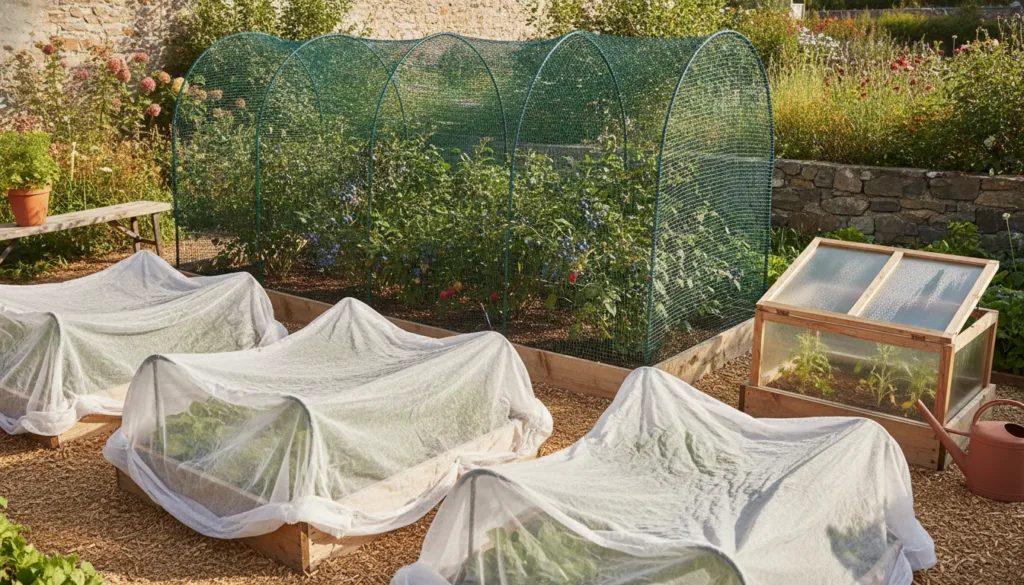
These lightweight, translucent fabrics are perhaps the most versatile. They allow sunlight, air, and water to pass through, creating a mini-greenhouse effect while keeping pests out. They can be draped directly over plants or supported by hoops.
- Best For: Protecting young seedlings, leafy greens (like lettuce, spinach, kale), brassicas (cabbage, broccoli), and preventing insect damage.
- Tip: Ensure the edges are securely anchored to the ground to prevent pests from crawling underneath.
2. Insect Netting
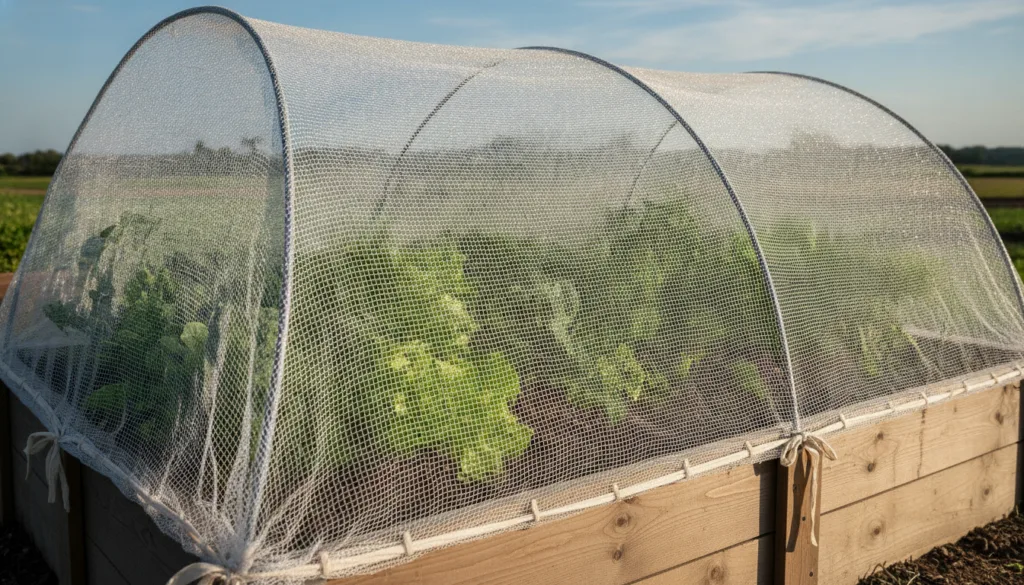
A finer mesh than standard garden netting, insect netting is designed to keep out even the smallest of flying insects while still allowing good airflow and light penetration.
- Best For: Protecting fruit trees, berry bushes, and vegetables from fruit flies, squash bugs, and other specific insect pests.
- Tip: Choose a mesh size appropriate for the pests you’re targeting.
3. Bird Netting
With a larger mesh, bird netting focuses on keeping feathered friends (and sometimes small mammals) away from ripening fruits and vegetables.
- Best For: Berry patches, fruit trees, grapevines, and corn.
- Tip: Drape it over a frame or stakes to prevent birds from getting tangled in the mesh.
4. Shade Cloth
When the summer sun is scorching, shade cloth can be a savior. It’s designed to reduce light intensity and temperature, preventing sunburn on sensitive plants and reducing water evaporation.
- Best For: Heat-sensitive crops like lettuce, spinach, and young seedlings during peak summer, or newly transplanted plants.
- Tip: Available in different percentages of shade (e.g., 30%, 50%). Choose based on your climate and plant needs.
5. Cold Frames & Cloches
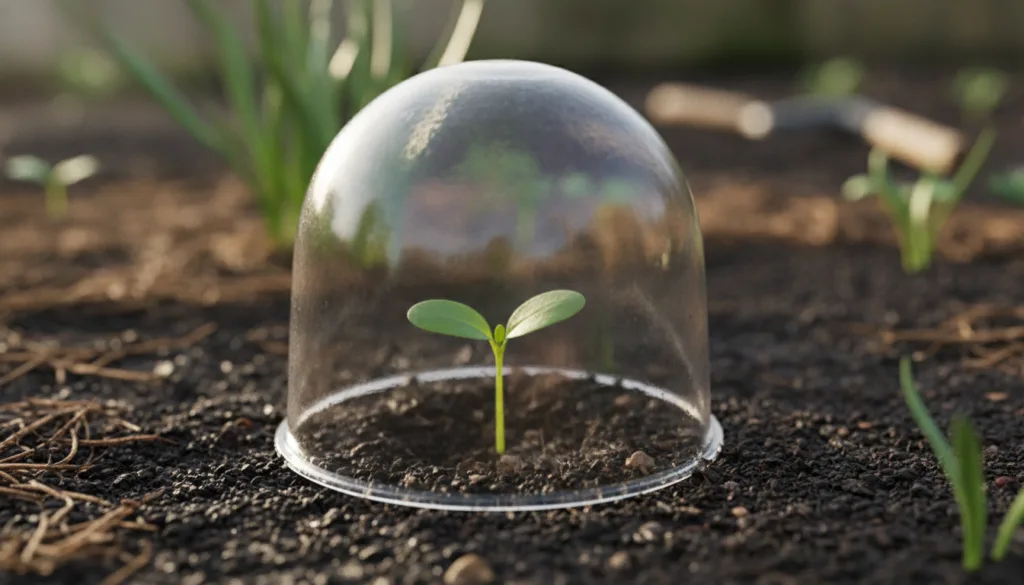
These mini-greenhouses offer excellent protection against cold weather. Cold frames are typically bottomless boxes with clear tops, while cloches are smaller, bell-shaped covers. They trap solar energy, warming the soil and air around plants.
- Best For: Extending the growing season, hardening off seedlings, protecting tender plants from frost.
- Tip: Remember to vent them on sunny days to prevent overheating.
Choosing and Using Your Garden Covers Effectively
To get the most out of your garden covers, consider these points:
- Identify Your Challenge: Are you battling pests, frost, or intense sun? Your primary challenge will guide your choice of cover.
- Consider Your Crops: Different plants have different needs. What works for leafy greens might not be ideal for sun-loving tomatoes.
- Seasonal Use: Some covers are seasonal. Row covers are great for spring and fall, while shade cloth shines in summer.
- Proper Installation: Always secure your covers thoroughly, especially against wind and pests trying to sneak underneath. Hoops or frames can help create space for plants to grow.
- Pollination Needs: Remember to remove covers from flowering plants (like squash, cucumbers, melons) during blooming times to allow pollinators access, unless you plan to hand-pollinate.
Conclusion: A Small Effort for a Big Reward
Incorporating garden covers into your gardening routine is a small effort that yields significant rewards. They provide peace of mind, reduce crop loss, and ultimately contribute to a healthier, more abundant harvest. So, next time you’re planning your garden, think about which covers will best serve your green friends. Happy gardening!
Do you use garden covers? Share your favorite types and success stories in the comments below!