Do you often find yourself battling that uncomfortable, heavy feeling after a delicious meal? Bloating can put a real damper on your day, leaving you feeling sluggish and less than your best. While there are countless remedies out there, sometimes the most comforting and effective solutions come from the simplest ingredients found in nature.
Imagine a warm, soothing cup that not only tastes delightful but also gently works to ease your digestive discomfort. What if we told you that two common, aromatic household staples – fresh ginger and invigorating peppermint – could be your secret weapon against post-meal bloat?
Why This Matters: Understanding the Bloat Battle
Bloating is a remarkably common experience, affecting a vast number of people regularly. It’s that sensation of fullness, tightness, or swelling in the abdomen, often accompanied by gas or discomfort. It can be triggered by many factors, from eating too quickly and swallowing air to certain foods, digestive imbalances, or even stress.
In a world full of quick-fix promises, many of us are increasingly turning towards natural, gentle approaches to support our well-being. The popularity of traditional remedies and healthy food choices stems from a desire for solutions that feel both effective and harmonious with our bodies. This is where simple herbal infusions like ginger and peppermint tea shine. They offer a comforting, accessible way to address mild digestive upset without relying on harsh chemicals or complex protocols.
Who Can Benefit from This Natural Approach?
- Anyone experiencing occasional post-meal bloating or gas.
- Individuals looking for a gentle, natural way to support digestion.
- Those who prefer herbal remedies over over-the-counter medications for minor discomfort.
- People interested in integrating more functional foods and herbs into their daily routine.
The Soothing Power Duo: Ginger & Peppermint
Let’s dive into why these two humble plants are such champions for digestive harmony.
Ginger: The Warming Digestive Aid
For centuries, ginger has been revered across various cultures, particularly in traditional Asian medicine, for its potent medicinal properties, especially concerning digestion. It’s not just a spicy kick in your food; it’s a powerhouse of beneficial compounds.
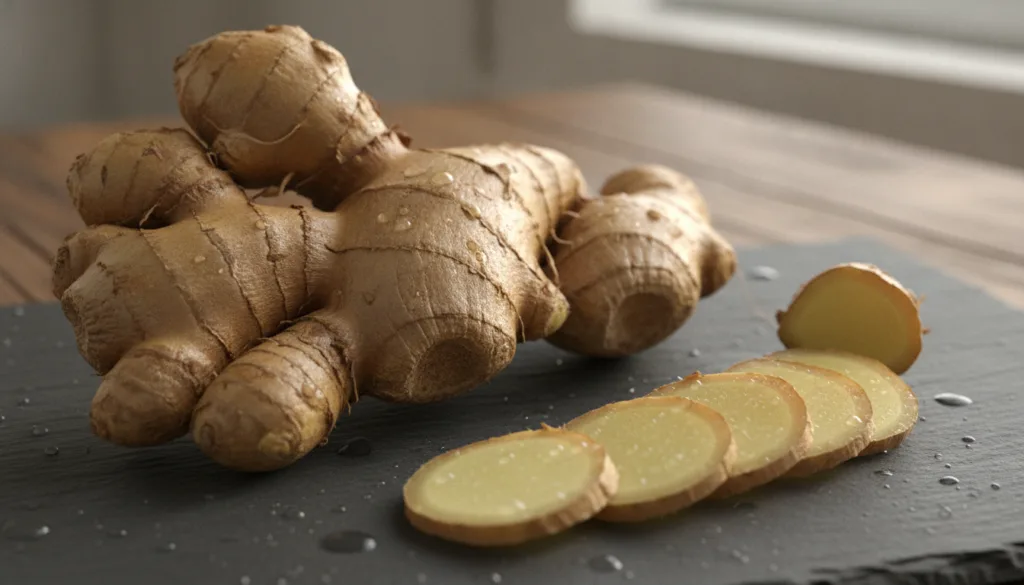
- Traditional Use: Ginger has been traditionally used to alleviate nausea, aid digestion, reduce gas, and soothe an upset stomach.
- Modern Understanding: The magic in ginger comes from its active compounds, primarily gingerols and shogaols. These compounds are believed to stimulate digestive enzymes and speed up gastric emptying, which means food moves more efficiently through your digestive system. This can significantly reduce the likelihood of food lingering and causing gas or bloating. Ginger also has well-documented anti-inflammatory properties, which can help calm irritation in the gut.
Peppermint: The Calming Antispasmodic
Just the aroma of peppermint can be invigorating, but its benefits for digestion go much deeper than its refreshing scent. Peppermint has long been a go-to for soothing stomach woes.
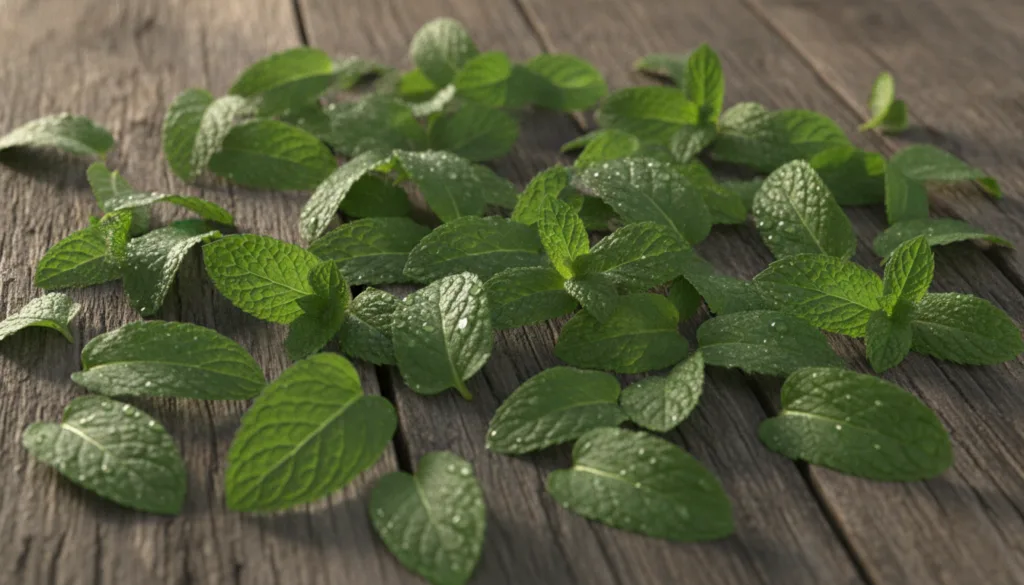
- Traditional Use: Peppermint tea has been traditionally consumed after meals to alleviate indigestion, reduce cramps, and ease feelings of fullness.
- Modern Understanding: The primary active compound in peppermint is menthol. Research suggests that menthol acts as a natural antispasmodic. This means it can help relax the smooth muscles of the gastrointestinal tract, which can be incredibly helpful in easing painful cramps, reducing gas, and allowing trapped air to pass more easily. This muscle-relaxing effect is a key reason why peppermint oil is often recommended for those with irritable bowel syndrome (IBS) to help manage symptoms like bloating and abdominal pain.
The Synergy of the Duo
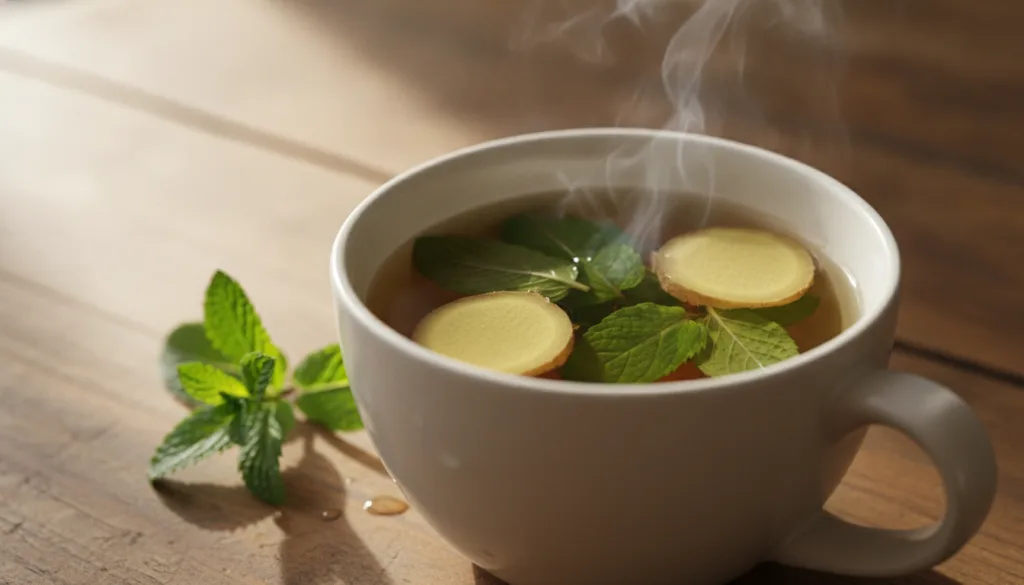
When ginger and peppermint come together in a warm infusion, their individual benefits are amplified. Ginger’s ability to stimulate digestion and reduce inflammation, combined with peppermint’s muscle-relaxing and gas-relieving properties, creates a powerful yet gentle remedy that can help your digestive system feel much more at ease.
Your Practical Guide: The Bloat-Busting Brew
Ready to create your own soothing cup of comfort? It’s incredibly simple!
Ingredients:
- 1 inch fresh ginger, peeled and thinly sliced or grated
- 5-7 fresh peppermint leaves (or 1 teaspoon dried peppermint)
- 1 cup hot water (just below boiling)
- Optional: A slice of lemon or a teaspoon of raw honey for taste
Preparation Steps:
- Prepare Ginger: Peel the ginger using a spoon or peeler, then thinly slice it or grate it. The more surface area, the more flavor and beneficial compounds will infuse into your tea.
- Combine: Place the ginger and peppermint leaves into a mug.
- Add Hot Water: Pour the hot (but not boiling) water over the ginger and peppermint.
- Steep: Cover your mug (a small plate works well) and let it steep for 5-10 minutes. Covering helps to trap the volatile oils from the peppermint and ginger, ensuring a more potent brew.
- Strain & Enjoy: Strain out the ginger and peppermint if desired, or leave them in for a stronger flavor. Add lemon or honey to taste, if using. Sip slowly and mindfully.
Serving Suggestions & Tips:
- When to Drink: Enjoy a cup after meals, especially when you anticipate or experience bloating. It can also be a wonderful calming drink anytime you feel digestive discomfort.
- Frequency: You can safely enjoy this tea 1-3 times a day.
- Customization: Adjust the amount of ginger and peppermint to suit your taste preference. For an extra immune boost, add a squeeze of fresh lemon.
- Fresh vs. Dried: While fresh ingredients offer the most vibrant flavor and potent benefits, dried ginger and peppermint are also effective and convenient.
Safety & Precautions
While ginger and peppermint tea is generally safe for most people, it’s always wise to be aware of potential considerations:
- Consult Your Doctor: If you have persistent or severe bloating, abdominal pain, or other concerning digestive symptoms, always consult a healthcare professional. This tea is intended for mild, occasional discomfort, not as a replacement for medical diagnosis or treatment.
- Medication Interactions: Ginger may interact with blood-thinning medications. Peppermint may interact with certain medications that reduce stomach acid. If you are on any medications, particularly for digestive issues, blood clotting, or diabetes, speak to your doctor before regularly consuming this tea.
- Acid Reflux/GERD: In some individuals, peppermint can relax the lower esophageal sphincter, potentially worsening acid reflux or GERD symptoms. If you experience this, reduce the amount of peppermint or discontinue use.
- Allergies: While rare, some individuals may be allergic to ginger or peppermint. Discontinue use if you experience any adverse reactions.
- Pregnancy & Breastfeeding: While ginger is often used to alleviate morning sickness, and peppermint is generally considered safe in moderation, it’s always best to consult your doctor before using herbal remedies during pregnancy or breastfeeding.
Key Takeaways
- Ginger and peppermint offer a natural, gentle way to support digestive comfort.
- Ginger’s gingerols and shogaols aid digestion and reduce inflammation.
- Peppermint’s menthol acts as an antispasmodic, relaxing gut muscles and easing gas.
- Combining them creates a synergistic, effective bloat-busting tea.
- The tea is easy to prepare with fresh or dried ingredients.
- Always consult a healthcare professional for persistent symptoms or if you are on medication, pregnant, or breastfeeding.
FAQ
Q: How quickly does ginger and peppermint tea work for bloating?
A: Many people report feeling relief within 30 minutes to an hour after drinking the tea, as its effects on muscle relaxation and digestion can be fairly immediate. However, individual results may vary.
Q: Can I drink this tea every day?
A: Yes, for most healthy individuals, enjoying ginger and peppermint tea daily is generally safe and can be a pleasant way to support ongoing digestive wellness. Always monitor how your body responds.
Q: Is fresh or dried peppermint better?
A: Fresh peppermint typically offers a more vibrant flavor and aroma, and potentially a higher concentration of volatile oils. However, dried peppermint is still very effective and a convenient option when fresh isn’t available.
Q: Can children drink this tea?
A: While generally considered safe for children in small, diluted amounts, it’s always best to consult a pediatrician before introducing herbal remedies to children, especially very young ones.
Q: What else can I do to reduce bloating?
A: In addition to this tea, consider eating more slowly, chewing your food thoroughly, identifying and avoiding trigger foods, staying hydrated, getting regular exercise, and managing stress.
Related Reading You Might Enjoy
- The Gut-Brain Connection: How Your Mood Affects Your Digestion
- Top 5 Anti-Inflammatory Foods for Daily Wellness
- Unlocking the Power of Probiotics for Optimal Gut Health
- Simple Home Remedies for Indigestion
- Hydration Hacks: More Than Just Water for Your Wellness