Maintaining a healthy heart starts with what you eat. A heart-healthy diet plays a crucial role in lowering cholesterol, controlling blood pressure, reducing inflammation, and preventing cardiovascular disease. By choosing the right foods, you can significantly reduce your risk of heart attack and stroke while supporting long-term heart health.
Best Heart-Healthy Foods to Eat Daily
Leafy Greens and Vegetables
Leafy green vegetables such as spinach, kale, collard greens, and broccoli are among the top foods for heart health. They are rich in fiber, antioxidants, potassium, and vitamins that help:
- Lower blood pressure naturally
- Reduce LDL (bad) cholesterol
- Improve blood vessel function
Fruits That Support Heart Health
Fruits like berries, apples, oranges, and avocados are packed with antioxidants and soluble fiber, which help reduce oxidative stress and inflammation in the arteries.
- Berries contain flavonoids that improve heart function
- Apples and citrus fruits help lower cholesterol
Fatty Fish High in Omega-3 Fatty Acids
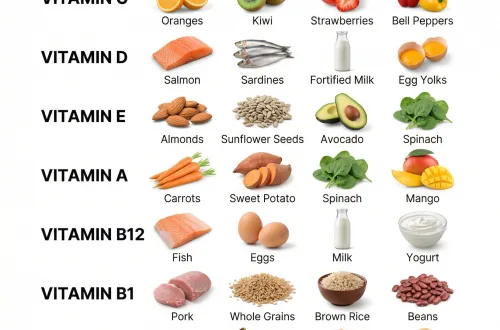
Fatty fish such as salmon, sardines, mackerel, and tuna are widely recognized as some of the best foods for heart health.
Omega-3 fatty acids help:
- Lower triglyceride levels
- Reduce inflammation
- Support healthy heart rhythm
- Decrease the risk of heart disease
Experts recommend eating fatty fish at least two times per week.
Healthy Fats for a Strong Heart
Not all fats are bad. Healthy fats from olive oil, avocados, nuts, and seeds can improve cholesterol levels and protect your heart.
- Olive oil contains heart-protective polyphenols
- Nuts like almonds and walnuts reduce LDL cholesterol
Whole Grains for Heart Health
Whole grains such as oats, quinoa, brown rice, and whole-grain bread are rich in fiber that helps regulate blood sugar and cholesterol levels.
- Oats contain beta-glucan, known for lowering LDL cholesterol
- Whole grains support weight management and heart health
Legumes and Plant-Based Proteins
Beans, lentils, chickpeas, and peas are excellent sources of plant-based protein and soluble fiber. Regular consumption is linked to:
- Lower cholesterol
- Reduced risk of cardiovascular disease
Foods to Avoid for Heart Health
To protect your heart, limit the following:
Saturated and Trans Fats
Found in fried foods, processed snacks, fatty meats, and full-fat dairy, these fats increase LDL cholesterol and promote artery plaque buildup.
Excess Sodium and Added Sugar
- High sodium intake raises blood pressure
- Added sugars increase triglycerides and heart disease risk
Smart Heart-Healthy Food Swaps
| Instead of | Choose This |
|---|---|
| Mayonnaise | Avocado, hummus, Greek yogurt |
| Fried foods | Grilled or baked options |
| White bread | Whole-grain bread |
| Fatty red meat | Lean poultry or fish |
| Salt | Herbs, spices, lemon juice |
These small changes can make a big difference in cardiovascular health.
Benefits of a Heart-Healthy Diet
A well-balanced heart-healthy diet can help:
- Reduce the risk of heart attack and stroke
- Improve cholesterol levels
- Control blood pressure
- Support weight loss and metabolic health
- Improve overall longevity
Tips for Maintaining a Heart-Healthy Lifestyle
- Choose whole, minimally processed foods
- Read nutrition labels carefully
- Cook more meals at home
- Stay physically active
- Manage stress and get quality sleep
Conclusion
A heart-healthy diet focuses on nutrient-dense foods like vegetables, fruits, whole grains, healthy fats, and lean protein while limiting salt, sugar, and unhealthy fats. By adopting these dietary habits, you can improve heart function, reduce disease risk, and support long-term cardiovascular health.